Discover the Best Hand Sanding Pads in China for Your DIY Projects?
Hand sanding pads are essential tools for any DIY enthusiast. They enable precision and control in sanding various surfaces. Choosing the right hand sanding pads can elevate your finishing skills. However, with so many options on the market, it can be overwhelming.
In China, the variety of hand sanding pads is impressive. You'll find different sizes, grits, and materials tailored for specific tasks. Some are great for wood, while others excel on metal or plastic. The performance of each pad can vary significantly. It's vital to do your research and test a few options to see what suits your needs best.
While the best hand sanding pads can enhance your projects, there can be trial and error involved. Not every pad may deliver the desired results on the first try. You might end up selecting a pad that isn't effective for your specific project. Refining your choices and understanding the materials can lead to successful outcomes. This process is part of the learning curve in DIY projects.
Types of Hand Sanding Pads Available in China for DIY Enthusiasts
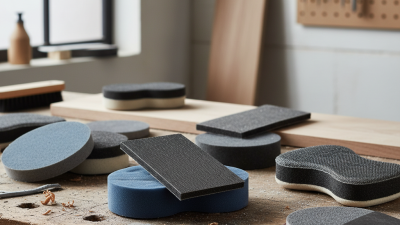
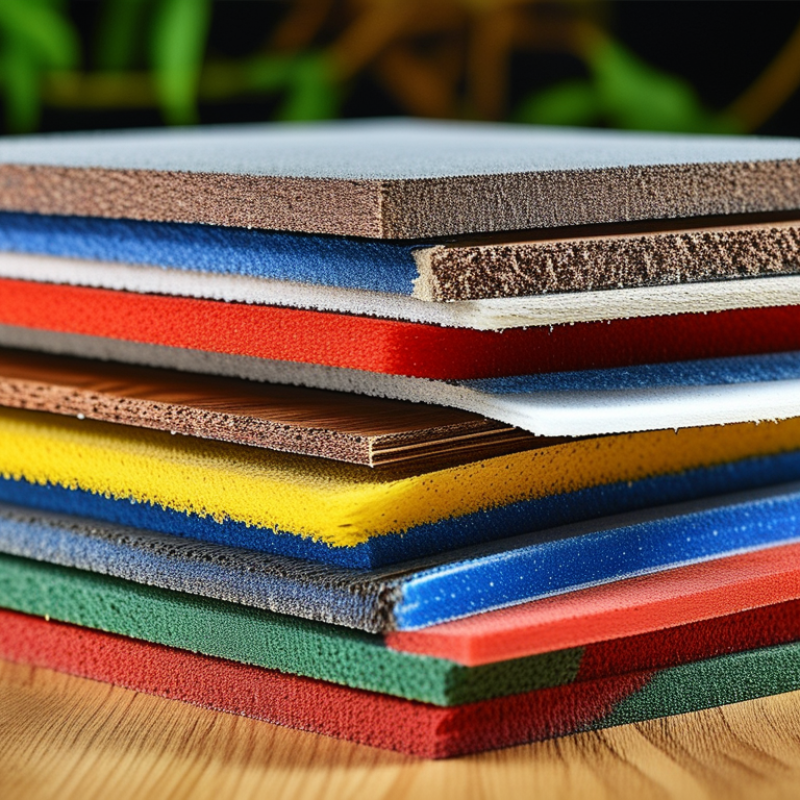
When it comes to hand sanding pads in China, DIY enthusiasts have a variety of options. Each type caters to specific projects and materials. For instance, foam pads are popular for their flexibility. They adapt to curves and edges easily. On the other hand, paper pads are known for their affordability and effectiveness on flat surfaces. According to industry reports, the demand for non-woven pads is rising. They offer a unique combination of durability and gentleness, making them ideal for final finishes.
When selecting sanding pads, consider the grit size carefully. Coarse grits are excellent for material removal. However, they can leave scratches if used on delicate surfaces. Fine grits are better for smoothing and finishing. A balanced selection ensures you have the right tool for each task.
Tips: Always test a sanding pad on scrap material before starting your project. This helps identify the right grit and minimizes potential damage. Remember, not all pads work well with every material. Choosing the wrong pad can lead to frustration and unfinished projects. Pay attention to the quality of materials used. Some pads may not last long, causing frequent replacements, which adds to costs.
Discover the Best Hand Sanding Pads in China for Your DIY Projects
| Type of Sanding Pad |
Grit Size |
Material |
Best For |
Price Range (CNY) |
| Hook and Loop Sanding Pads |
60 - 320 |
Aluminum Oxide |
Wood, Metal |
10 - 50 |
| Sponge Sanding Pads |
120 - 400 |
Silicon Carbide |
Plaster, Drywall |
15 - 60 |
| Felt Sanding Pads |
80 - 600 |
Felt |
Metal Finishing, Polishing |
20 - 70 |
| Wet/Dry Sanding Pads |
150 - 1000 |
Silicon Carbide |
Auto Body, Glass |
30 - 80 |
| Orbital Sanding Pads |
50 - 400 |
Aluminum Oxide |
Wood Finishing |
25 - 55 |
Material Composition of Hand Sanding Pads and Their Impact on Performance
When selecting hand sanding pads, material composition plays a crucial role in performance. Common materials include aluminum oxide, silicon carbide, and garnet. Each has unique properties that affect abrasion and durability. For instance, aluminum oxide offers a good balance of performance and longevity, making it ideal for various projects. Silicon carbide is sharper, perfect for sanding harder surfaces. Garnet, while softer, provides a smooth finish on wood.
In DIY projects, the right choice impacts results significantly. Users may find that a lower-quality pad wears out quickly. This can lead to uneven finishes or frustratingly slow work. In contrast, investing in quality pads can save time and effort. The choice of grit also matters. Finer grits are excellent for finishing touches, while coarser grits help shape surfaces.
It's essential to reflect on your project needs. Are you sanding metal or wood? Understanding the material composition can guide you to the best type for your tasks. However, don't overlook your technique. Even the best pad won't deliver results without proper handling. Knowledge of both materials and application methods enhances overall performance.
Top Brands for Hand Sanding Pads in China: A Comparative Overview
When tackling DIY projects, hand sanding is an essential step. The right sanding pad makes a significant difference in the finish of your work. In China, various brands offer sanding pads designed for different surfaces and purposes. Their quality varies, and it's crucial to understand which brand meets your specific needs.
Brand A focuses on durability. Their pads can withstand heavy use. However, they might not be as effective on finer surfaces. Brand B, known for its versatility, offers pads that are ideal for both wood and metal. Unfortunately, some users report that their performance declines after a few uses. It's important to consider these factors when selecting your sanding pad.
Brand C stands out for affordability. Their pads are budget-friendly, but they may lack the longevity of pricier options. Users often find that while they perform well initially, they often wear out quickly. Each option has its pros and cons. Finding the right balance between quality and price is vital for any DIY enthusiast. The perfect pad can elevate your project, but knowledge of these brands is essential.
Best Hand Sanding Pads in China for DIY Projects
How to Choose the Right Grit for Your Hand Sanding Projects
Choosing the right grit for your hand sanding projects is crucial. Different materials require specific grits for optimal results. For instance, a coarse grit, like 60 or 80, is ideal for quickly removing material. This is particularly useful for rough surfaces or heavy sanding tasks. However, using too coarse a grit can damage delicate surfaces, so caution is necessary.
Moving to medium grits, such as 120 or 150, is great for smoothing surfaces. This range helps to blend scratches left by coarser grits and prepares the surface for finishing. It's important to know that using a medium grit too early can lead to more work later. On the other hand, fine grits, like 220 or higher, are perfect for finishing touches. They create a smooth, polished surface but can be slower to work with.
Understanding the sanding process requires practice. Observing the results of your sanding choices is part of learning. It helps refine your skills and increases your project quality. Adjusting your approach based on trial and error is key. Remember, each material behaves differently. Be ready to adapt your technique for the best outcome. Embrace the journey of improvement, and you’ll find that hand sanding can become a rewarding experience.
Tips for Using Hand Sanding Pads Effectively in DIY Projects
Using hand sanding pads effectively can elevate your DIY projects. Choose the right grit based on your task. Coarse grits remove material quickly, while finer grits polish surfaces. Ensure your sanding pad matches the material—wood, metal, or plastic. Improper match leads to poor results and wasted effort.
Here are some tips for using hand sanding pads. Start with even pressure. This prevents uneven surfaces. Avoid pressing too hard; it can damage the material. Keep the pad flat to maintain contact. Sometimes a slight angle helps in reaching corners.
Check for worn-out pads regularly. They can cause scratches, ruining your hard work.
Remember to clean the surface often. Dust buildup affects sanding quality. A simple brush can keep your pad effective. Don’t rush the process. Rushing may lead to mistakes like uneven finishes or missed spots. Take breaks to reassess your work. DIY projects require patience and attention to detail. Even experienced users encounter flaws—they are part of learning.