How to Choose a Brick Grinding Machine in 2026?
Choosing a Brick Grinding machine in 2026 requires more than comparing motor power and price. The right equipment must match brick hardness, surface condition, production volume, and finished-surface expectations. A compact workshop may need precise dust control and adjustable speed. A large restoration project may demand continuous feeding, stronger abrasives, and reliable cooling. Small details matter.
Brick-processing specialist Michael R. Walker puts it plainly: “A grinder should remove defects without erasing the brick’s character.” That principle remains useful when evaluating modern machines. Look for stable operation, replaceable grinding wheels, accurate depth adjustment, and accessible maintenance points. Check whether the machine handles reclaimed, fired, or lightweight bricks without excessive chipping. Ask about noise, vibration, dust extraction, and operator training before accepting impressive specifications.
Real jobsite experience often reveals what brochures miss. A powerful motor can still produce uneven results. A cheaper machine may consume more abrasive material over time. It happens. Test samples before committing to a large order, and inspect the finish under direct light. Measure output consistently, rather than trusting visual judgment alone. Safety features also deserve close attention, including guards, emergency stops, sealed controls, and compatible ventilation equipment.
There is no perfect choice. Your production goals may change. This guide explains how to compare Brick Grinding machines in 2026, balance initial cost against service life, and avoid common purchasing mistakes. The final decision should be evidence-based, practical, and suited to the people using the machine daily.

What Is a Brick Grinding Machine and How Does It Work?
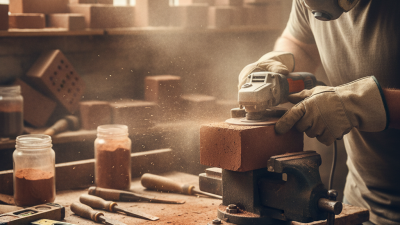
A brick grinding machine removes uneven clay, mortar, or fired surfaces through controlled abrasion. Its grinding wheel, disc, or roller turns against the brick while the feed system controls contact pressure and speed. Some machines use water to cool the abrasive surface and suppress dust. Others rely on enclosed dry grinding with local extraction.
The process is simple, but the details matter. Hard-fired bricks need stronger abrasive materials and slower feed rates. Softer reclaimed bricks may chip under excessive pressure. OSHA sets the respirable crystalline silica exposure limit at 50 micrograms per cubic meter over eight hours. This makes dust extraction, enclosure, and suitable respiratory protection important selection factors. The National Institute for Occupational Safety and Health also recommends engineering controls before relying on personal protection.
When choosing a machine in 2026, check its usable grinding width, feed opening, motor power, and adjustment range. Confirm whether replacement abrasives are readily available. Ask for measured dust performance, not vague claims. A low-noise specification can also improve long-shift usability. Small details matter.
A dry trial may look faster. It may create more cleanup and hidden maintenance later. Water systems reduce airborne dust, but they can increase corrosion and wastewater handling. The best choice depends on brick hardness, daily volume, surface tolerance, and workshop controls, not motor size alone.
Which Brick Grinding Tasks and Materials Must It Handle?
Choosing a brick grinding machine in 2026 starts with the work it must perform, not its advertised power. Will it remove mortar, level uneven brickwork, smooth cut edges, or prepare surfaces for repair? Each task demands different grinding control. Mortar removal needs steady torque and precise depth adjustment. Edge shaping needs a lighter tool with better handling.
The machine should handle fired clay bricks, concrete bricks, reclaimed bricks, and dense paving blocks without excessive chipping. Reclaimed brick is especially unpredictable. Its surface may contain old mortar, paint, or hidden cracks. A variable-speed motor and adjustable guard can improve control around these weak areas. The abrasive system also matters. Coarse diamond segments remove hard residue quickly, while finer grades create a cleaner finish.
Dust management cannot be treated as an optional feature. Dry grinding can release fine mineral particles, so effective extraction and sealed connections are essential. Wet grinding may reduce airborne dust, but it requires suitable electrical protection and controlled water flow. I once underestimated vibration during extended edge work; the finish suffered, and operator fatigue increased. That experience changed my selection criteria. Test the machine on a small sample first. Check heat buildup, wheel wear, balance, and material loss. A slightly slower machine may deliver better results when accuracy, surface integrity, and repeatable depth matter.
What Safety, Maintenance, and Environmental Features Are Essential?
Choosing a brick grinding machine in 2026 requires more than comparing motor power. Safety features should be visible, testable, and easy to use. Look for a fully enclosed grinding area, an effective guard, and an emergency stop within immediate reach. Interlock switches can prevent operation when covers are open. Dust control is essential, especially when dry grinding creates fine crystalline particles. Wet suppression or a properly connected extraction system can reduce airborne dust. Noise reduction also matters when operators work for several hours.
Maintenance design often determines whether safety remains reliable. Choose a machine with accessible inspection points, clear lubrication instructions, and replaceable wear parts. A sealed control panel can protect electrical components from dust and moisture. Check whether the manufacturer provides maintenance intervals, fault codes, and service records. Keep a simple daily checklist. It may seem excessive, but loose bolts and blocked filters often appear before major failures. Lockout procedures should be practical, not merely printed in a manual.
Environmental performance deserves equal attention. A closed-loop water system can reduce consumption, while efficient motors may lower energy use during long shifts. Settling tanks and suitable filtration help manage slurry without sending solids into drains. Consider noise levels, recyclable components, and the machine’s expected service life. A quieter machine is not automatically safer. No checklist is perfect; operators still need training and judgment. Test dust capture regularly, because a system that looks clean may perform poorly under real production loads.
How to Select the Right Brick Grinding Machine for Your Budget?
Choosing a brick grinding machine begins with your actual budget, not the lowest advertised price. A small workshop may need a compact grinder for occasional repairs. A production site may require continuous operation, stronger motors, and faster material removal. Buying extra capacity can waste money.
Calculate the full cost over one year. Include the machine, grinding wheels, electricity, dust-control equipment, maintenance, and operator training. A machine priced at 2,000 dollars may cost more than a 3,000-dollar model if its abrasive wheels wear quickly. Check motor power, grinding width, feed speed, and compatible brick hardness. Ask for test data, not only sales descriptions.
I would inspect the machine in person whenever possible. Look for solid guards, accessible controls, stable adjustment points, and clear maintenance instructions. A used machine can fit a tight budget, but worn bearings may create vibration and uneven brick surfaces. That risk is easy to underestimate. Request service records and run several sample bricks before payment. Consider repair access too. A cheaper machine becomes expensive when one unavailable part stops production for a week.
Do not ignore dust management. Fine masonry dust can damage equipment and create serious workplace hazards, so suitable extraction and protective procedures are essential. Compare warranty coverage, spare-part availability, and technical support in writing. A realistic budget leaves room for unexpected repairs. That part is often forgotten.