How to Choose the Best Brick Masonry Drill Bit?
Choosing the right Brick Masonry Drill Bit can determine whether a small project feels controlled or frustrating. Brick is strong, but it is not uniform. A soft, weathered face may drill easily, while a dense fired section can resist the same bit. The wrong choice can create chipped edges, wandering holes, or unnecessary heat.
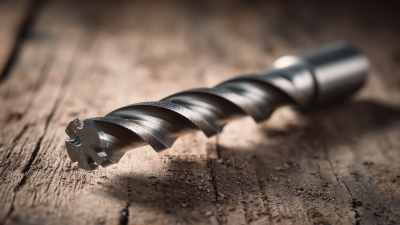
Mike Haduck, a veteran mason and masonry educator, often says, “You gotta use the right tool for the job.” That practical advice applies directly to drill-bit selection. Look for a carbide-tipped masonry bit designed for brick, not a general-purpose metal or wood bit. Match its diameter to the wall plug, anchor, or fastener. Check the shank too. A bit that slips inside the chuck wastes control.
Small details matter.
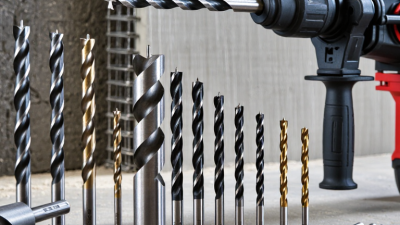
For occasional household work, a standard carbide bit may be enough. For repeated holes, harder brick, or rotary-hammer use, a stronger SDS-compatible Brick Masonry Drill Bit can provide better cutting action. Keep the drill aligned, use moderate pressure, and clear dust from the hole. Excessive force feels productive, but it can damage the bit and the brick.
I have learned that product labels are not always easy to interpret. Marketing claims can sound impressive. Test the bit on an unseen area first, and inspect the hole after a few seconds. If the tip overheats, the dust stops clearing, or the brick begins cracking, pause and reconsider. The most expensive option is not automatically the best one. Fit, application, and steady technique matter more.
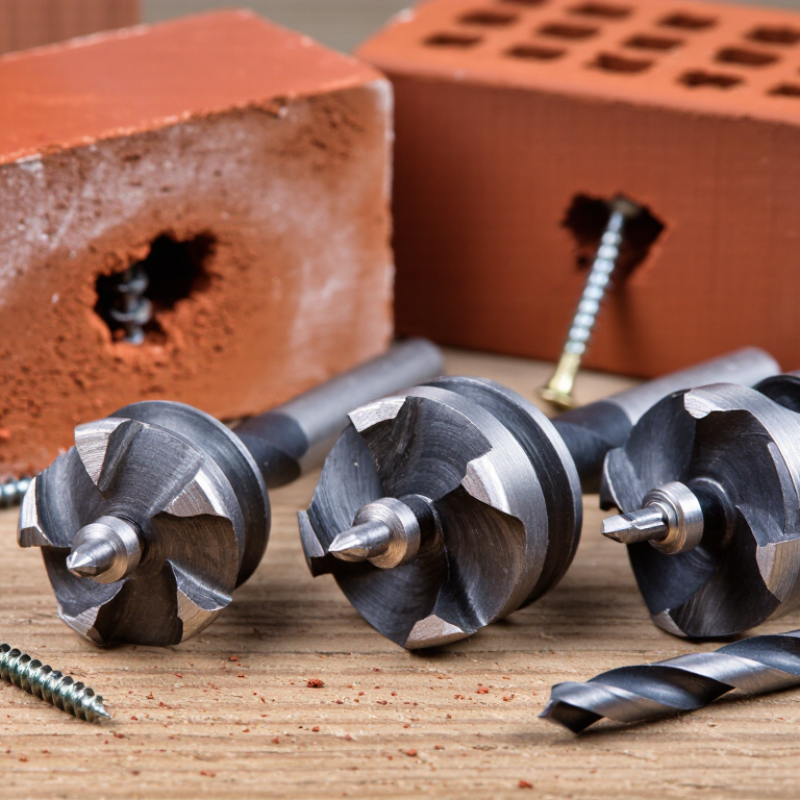
Understanding Brick Masonry and Drill Bit Requirements
How to Choose the Best Brick Masonry Drill Bit?
Understanding Brick Masonry and Drill Bit Requirements
Brick is not uniform. Fired clay brick, concrete block, and old mortar each resist drilling differently. Before choosing a bit, inspect the surface for cracks, loose joints, and hidden wiring. A small inspection prevents a costly mistake.
For most brickwork, choose a masonry bit with a carbide cutting tip. Its reinforced head handles hard mineral material better than a general-purpose bit. Match the bit diameter to the anchor, sleeve, or cable fixture. A bit that is too large can weaken the hole. A bit that is too small may overheat.
Use a hammer setting only when the brick can tolerate repeated impact. Softer or aged brick may crumble under pressure. In that case, use rotary drilling and steady feed pressure. I have found that moderate speed creates cleaner holes than aggressive force. Keep the bit aligned with the wall. Angled drilling often leaves a loose anchor.
Clear dust regularly. Withdraw the bit every few seconds. This reduces heat and improves cutting efficiency. Wear eye protection and a suitable dust mask, especially during overhead work. I once assumed a new bit would solve every problem. It did not. Material condition mattered more than the cutting edge. Test one discreet hole before drilling the full pattern.
Matching Drill Bit Types to Brick, Mortar, and Masonry Materials
How to Choose the Best Brick Masonry Drill Bit?
Matching Drill Bit Types to Brick, Mortar, and Masonry Materials
A carbide-tipped masonry bit is a practical choice for most brick and mortar holes. Its hard cutting tip handles abrasive mineral surfaces better than a standard twist bit. For soft, older brick, use a regular rotary setting and light pressure. Hammer action can chip the face or loosen fragile edges. It happens quickly.
Dense concrete and hard engineering brick may need a bit rated for hammer drilling. Check the tool and bit instructions before switching modes. A small test hole in an inconspicuous spot can reveal whether the material crumbles or resists. Brick varies more than it looks. Some modern units are surprisingly hard, while old ones may be brittle.
Choose the hole location with the fixing in mind. Brick often provides a firmer anchor than mortar, but the right choice depends on the wall and fastener instructions. Use the specified diameter; an oversized hole can leave an anchor loose. Keep the drill steady, clear dust from the hole periodically, and wear eye protection. A slow start helps prevent the bit from skating across the surface. The choice is not always neat: patched mortar and mixed masonry can behave differently within inches. If the bit wanders or the material cracks, stop and reassess rather than forcing it.
Evaluating Bit Size, Shank Design, and Drilling Equipment
Choosing a brick masonry drill bit starts with the hole and fastener, not the tool display. Match the bit diameter to the anchor instructions, and check the required drilling depth. A hole that is too wide may leave an anchor loose; one that is too shallow can stop it seating properly. Check the anchor twice. For repeated holes, a depth stop helps keep them consistent. A small test hole can also reveal whether the brick is unusually hard or crumbly.
Shank design must fit the drill chuck. Round-shank bits suit many standard drills, while grooved SDS shanks require a compatible rotary hammer. Never force a shank into a chuck. For a few small holes, a hammer drill with a carbide-tipped masonry bit may be sufficient. Larger holes or sustained work can call for a rotary hammer, which delivers stronger impact. Use the hammer setting only when the bit and equipment allow it. Keep the drill steady, avoid excessive pressure, and pause to clear dust from deeper holes. Dust can slow progress. There is no perfect setup for every brick: older, soft masonry may chip even with careful drilling, so a slower pace is often the wiser choice.
Choosing the Right Bit for Hole Depth, Diameter, and Project Purpose
How to Choose the Best Brick Masonry Drill Bit?
Choosing a masonry bit starts with the hole’s depth, diameter, and purpose. For shallow holes under 40 mm, a standard carbide-tipped bit usually removes dust efficiently. Deeper holes need longer flutes and stronger shanks, because packed dust increases friction and heat. Clear the hole repeatedly. It matters more than many guides admit.
Match the bit diameter to the anchor, not merely the screw. A 6 mm anchor normally needs a 6 mm hole, but brittle, aged brick may require slower drilling and a slightly cautious approach. For larger holes, use a stepped sequence when practical. This reduces wandering and protects the brick face. Rotary-only drilling suits soft brick and clean edges. Hammer action works faster on dense masonry, but it can fracture old joints.
Dust control is part of bit selection. OSHA’s respirable crystalline silica standard sets an action level of 25 µg/m³ and a permissible exposure limit of 50 µg/m³ over eight hours (29 CFR 1926.1153). Choose bits compatible with water delivery or local extraction where the task demands it. ISO 5468 defines requirements for carbide-tipped masonry drills, including dimensions and performance considerations. Standards help, but they cannot inspect your wall. I sometimes choose a bit too aggressively. A small test hole can reveal whether the masonry is sound, hollow, or unexpectedly fragile.
Using and Maintaining Brick Masonry Drill Bits Safely
Before drilling brick, match the bit to the hole size and use a carbide-tipped masonry bit rated for your drill. Secure the brick or workpiece, wear safety glasses, and keep both hands on the tool. Dust travels. OSHA’s construction silica standard sets a permissible exposure limit of 50 micrograms per cubic meter over eight hours, with an action level of 25. These are exposure limits, not targets for a dusty workspace. Use water delivery or a suitable dust-collection shroud when the task and tool allow. Avoid dry sweeping; use a HEPA-filtered vacuum for settled dust.
Let the bit cut without forcing the drill, and pause if it binds or overheats. Let it cool. NIOSH recommends limiting occupational noise exposure to 85 dBA over eight hours, so consider hearing protection when drilling noise or site measurements warrant it. Unplug the tool before clearing debris, then inspect the bit for a chipped tip or bent shank. A clean-looking bit can still be damaged. Replace questionable bits rather than pushing harder; that is an easy habit to overlook when a hole is nearly finished. Store bits dry, separated from loose hardware, and check the drill’s manual for care instructions.
How to Choose the Best Brick Masonry Drill Bit
Common masonry drill bit diameters are shown below in millimeters. Choose a carbide-tipped bit sized to the wall plug or anchor manufacturer’s specified hole diameter; the sizes shown are examples, not a universal recommendation.
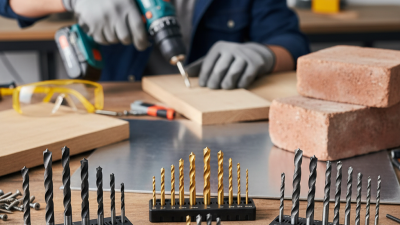
For safer drilling, wear eye protection and a suitable dust mask, secure the work, and check for hidden wiring or pipes. Use rotary-only mode on fragile or perforated brick; use hammer mode only when suitable for the brick and drill.