How to Choose the Best Oscillating Tool for Your Projects?
Choosing the right oscillating tool can make a significant difference in your project outcomes. According to industry expert John Smith, "The right oscillating tool can turn a tedious task into a simple one." This highlights the importance of understanding your options.
Oscillating tools are versatile. They can cut, sand, and scrape, making them essential for many tasks. However, with so many brands and models on the market, the choice can feel overwhelming. Some tools are high-quality but come with a steep price. Others may look appealing but lack the necessary power or durability.
Understanding the specifics is key. Features like oscillation speed, blade compatibility, and comfort can affect your work. Not every tool will suit your needs perfectly. Sometimes, users realize too late that they made a choice based on looks rather than function. Investing time in research can ultimately save headaches during projects.
Understanding the Basics of Oscillating Tools and Their Functions
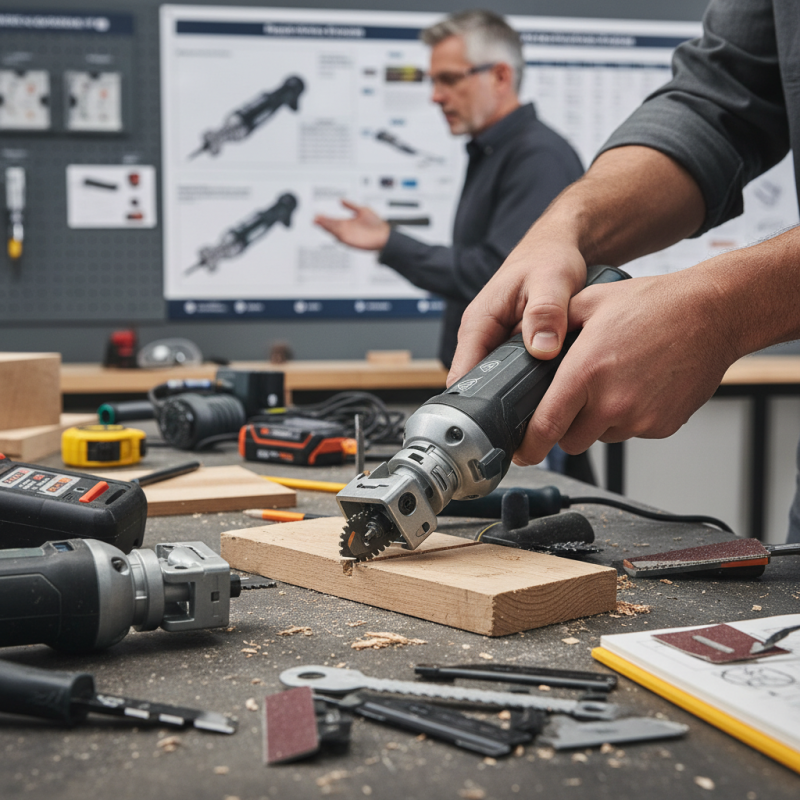
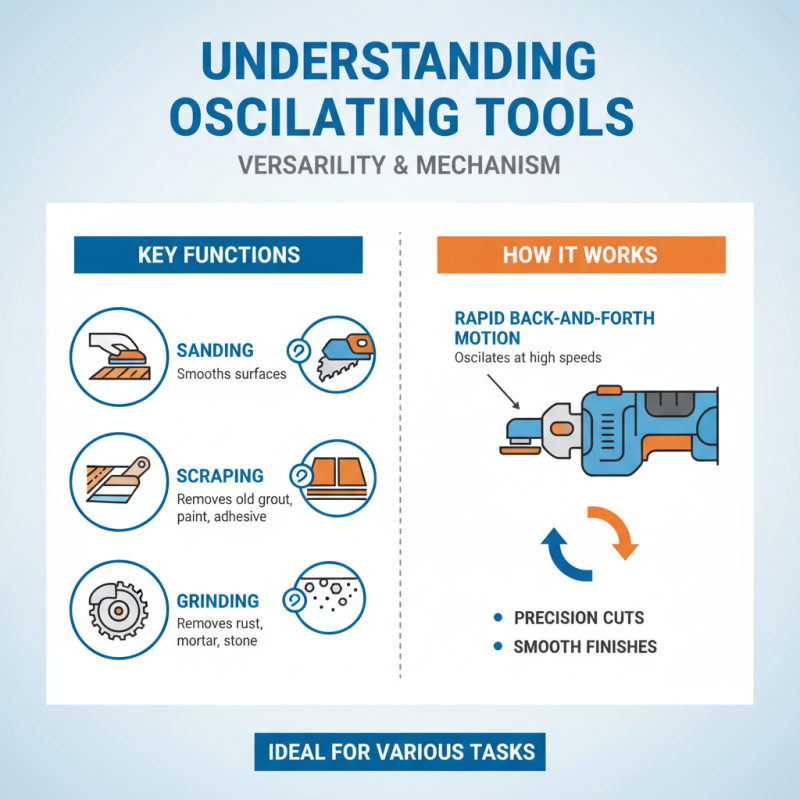
Oscillating tools are incredibly versatile. They can sand, cut, scrape, and even grind. Understanding how they work is key to making the right choice. An oscillating tool has a unique mechanism. It oscillates back and forth in a rapid motion. This movement allows for precise cuts and smooth finishes, making it ideal for various tasks.
These tools come with interchangeable blades and attachments. Selecting the right blade for your project is crucial. For instance, a fine tooth blade excels at clean cuts in wood. On the other hand, a scraping attachment is perfect for removing old paint or adhesive. It’s essential to match the tool’s capabilities with the job requirements. However, not all attachments work well together. Misalignment can lead to subpar results.
Not everyone feels comfortable using oscillating tools. Some users struggle with the learning curve. It takes time to master the right angles and pressure. This ongoing process can be frustrating but rewarding. A little practice goes a long way in achieving better outcomes. Experiment with different applications to build confidence. The journey of finding the best oscillating tool for your projects may be complex, but it’s ultimately enriching.
Identifying Your Project Needs: When to Use an Oscillating Tool
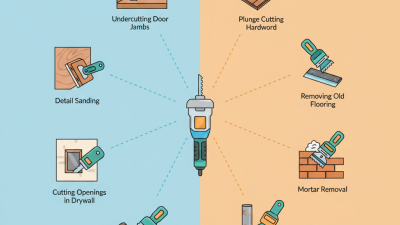
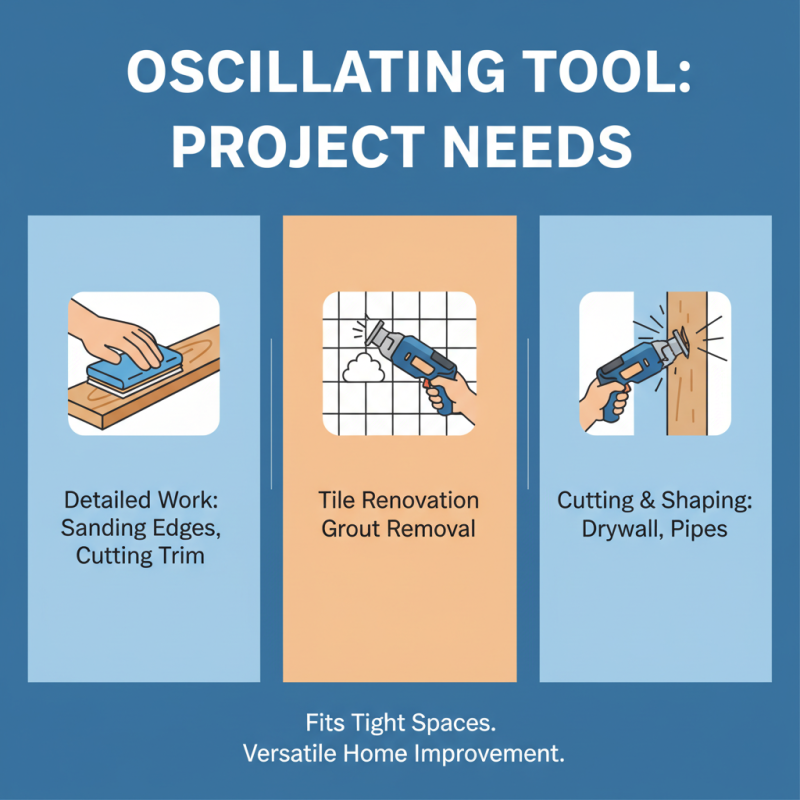
When considering an oscillating tool for your projects, it's crucial to understand your specific needs. Oscillating tools excel in versatile home improvement tasks. They fit into tight spaces, making them ideal for detailed work like sanding edges or cutting trim. If you find yourself needing to remove grout from tiles or slicing through drywall, this tool can prove invaluable.
However, it's easy to underestimate the learning curve. Using an oscillating tool effectively requires a bit of practice. While it's user-friendly, the technique can impact the outcome. For instance, wrong positioning can lead to uneven cuts. Be prepared to adjust your approach based on the material and task at hand. Moreover, some projects may benefit from alternative tools. Recognizing when to use an oscillating tool versus other options is key.
Reflecting on past projects can inform your future choices. Have you faced challenges that an oscillating tool could solve? Consider the tasks that brought frustration. Is there a simpler way to achieve your goals? Understanding your project needs ensures an oscillating tool is the right fit. This will enhance your DIY experience.
Key Features to Look for in an Oscillating Tool Selection
When selecting an oscillating tool, consider the motor power. A strong motor enhances cutting efficiency. Look for models that provide consistent power under load. This feature is vital for tougher materials. Variable speed settings also matter. They ensure versatility for different tasks. Faster speeds work best for cutting, while slower speeds help with precision sanding.
Blade compatibility is another key aspect. Ensure the tool accepts various blade sizes and types. This will allow you to tackle diverse projects. Some tools come with quick-change systems, which can save time and frustration. Also, examine the tool's weight and ergonomics. A comfortable grip can make long projects more manageable. Heavier models might feel stable but can become tiring.
Lastly, noise and vibration levels should be accounted for. Prolonged use can lead to fatigue. Tools with lower vibrations are preferable. It's important to reflect on your own comfort as well. Choosing a tool that feels good in your hands can elevate your work quality. Not every tool will meet your needs perfectly. Take your time and learn from the experience.
Comparing Top Brands and Models of Oscillating Tools
When selecting an oscillating tool for your projects, it’s crucial to examine available brands and models. Each brand offers unique features that can suit various tasks. Look for tools with variable speed settings and ergonomic designs. These features enhance control, making it easier to perform detailed work or power through tougher tasks.
Comparing top models can seem overwhelming. Sometimes, the most expensive option may not be the best for your needs. Consider the attachments included with each tool, as some may offer a wider range than others. Read user reviews to gauge reliability and performance. Real-world feedback can provide insight into common issues or praises.
**Tips:** Pay attention to vibration levels when choosing a tool. High vibration can lead to fatigue during long projects. Ensure you practice safe handling by using gloves, especially if you are new to power tools. Lastly, invest time into understanding your tool's manual; it can help prevent mistakes and ensure efficient use.
Budget Considerations: Finding a Quality Oscillating Tool for Your Needs
When selecting an oscillating tool, budget is a crucial factor. Many consumers face the temptation of opting for lower-cost models, yet studies indicate that spending a bit more often yields better long-term satisfaction. According to a recent industry report, tools priced between $100 and $200 tend to have sturdier construction and more features. These tools often come with a greater variety of attachments, increasing their versatility for different projects.
Quality shouldn't be sacrificed for cost. Low-priced tools can lack durability and may require frequent replacements. A report from a leading consumer analysis group showed that 45% of users experienced dissatisfaction with budget models within the first year. On the flip side, investing in a reliable tool often leads to better performance and longevity.
Consider also the types of projects you plan to undertake. If you only need a tool for light tasks, a budget option might suffice. However, heavier-duty work demands a tool that can withstand stress. Many professionals recommend viewing oscillating tools as an investment. The right tool can provide value beyond the initial price tag. Focusing on build quality, warranty options, and user reviews can help ensure you make a wise choice.