Top 10 Carbide Bits For Metal Every Metalworker Should Consider?
In the world of metalworking, the right tools can make a significant difference. Carbide Bits For Metal are essential for achieving precision and durability in your projects. Choosing the right carbide bits can improve your efficiency and the quality of your work.
Metalworkers often face challenges when selecting tools. Not every bit is suitable for all tasks. This is where understanding the best carbide bits for metal comes into play. Finding the right bit can enhance cutting speed and extend tool life. Some bits may perform well in certain conditions but fail in others. It requires careful consideration.
This guide will explore the top 10 carbide bits for metal. Each bit has unique features that cater to specific needs. You will discover how these bits can transform your metalworking experience. From high-speed applications to detailed work, these tools promise reliability. Embracing the right carbide bits may require some trial and error. However, the benefits are undeniable.
Understanding Carbide Bits and Their Importance in Metalworking
Carbide bits play a crucial role in metalworking. They are known for their durability and efficiency. According to industry reports, carbide tools can last up to six times longer than high-speed steel tools. This longevity can significantly reduce costs for metalworkers. The use of carbide bits also enhances precision in cutting and shaping metal.
Understanding the composition of carbide is important. These bits are made from a composite of tungsten carbide and cobalt. This combination provides hardness and toughness. A recent study shows that carbide's ability to withstand high temperatures can lead to higher productivity rates. However, not all carbide bits are created equal. Metalworkers must choose the right type for their specific tasks. Some bits may wear out quickly depending on the metal being worked on.
There are potential downsides to using carbide bits. For instance, they can be brittle. If not handled with care, they can chip or break. Additionally, the initial investment in carbide tools may be higher. However, their performance often justifies the expense. The challenge lies in selecting the best bits for specific applications. Metalworkers should continually assess their choices and adapt to new developments in carbide technology.
Types of Carbide Bits: A Comprehensive Overview for Metalworkers
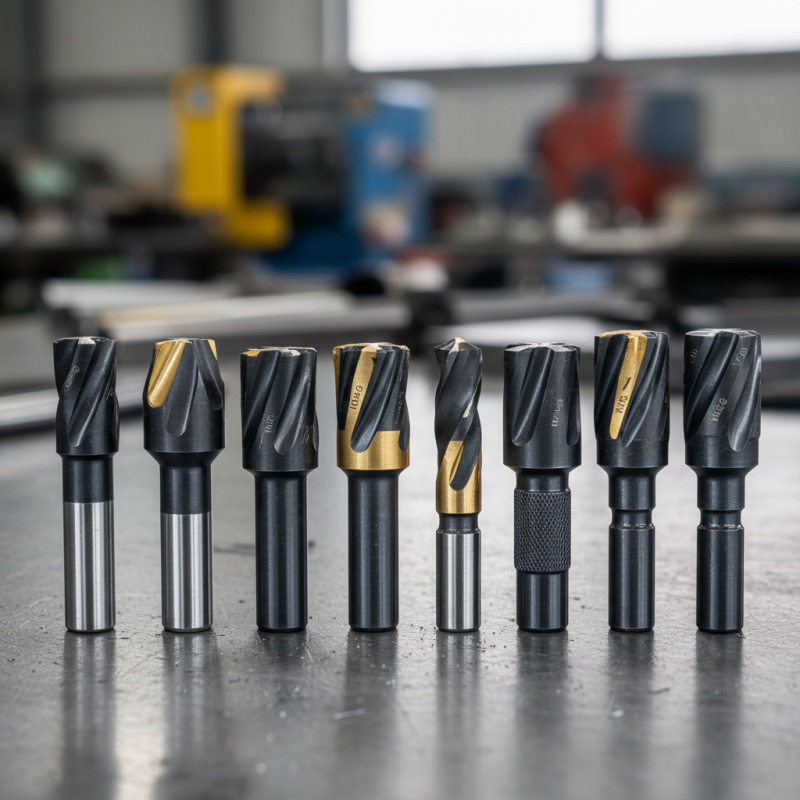
Carbide bits are essential tools for metalworkers. They come in various shapes and sizes, allowing for diverse applications. Understanding the types available helps choose the right one. Common types include end mills, ball mills, and tapered bits. Each serves a specific purpose, yet the distinctions can be unclear. A good selection can improve efficiency, but a poor choice might lead to frustration.
End mills are versatile. They can create complex shapes and contours. Their multi-fluted design allows for better chip removal. However, they can wear down quickly if not used properly. Ball mills are perfect for intricate details. They can reach tight corners, but they require a steady hand. Tapered bits are often overlooked. They excel in tasks that require depth, yet they may be tricky for beginners.
When selecting carbide bits, consider your project needs. The right bit can transform your work. Still, experimenting with various types is essential. It's vital to understand that no single bit can conquer all tasks. Learning from mistakes is part of mastering metalworking. Embrace the imperfections and refine your skills through practice and exploration.
Top 10 Carbide Bits For Metal Every Metalworker Should Consider
| Type |
Diameter (inches) |
Length (inches) |
Applications |
Material |
| Solid Carbide Drill Bit |
0.125 |
3 |
Metal drilling |
Carbide |
| Carbide End Mill |
0.250 |
2 |
Milling |
Carbide |
| Carbide Tipped Bandsaw Blade |
0.375 |
10 |
Cutting metal |
Carbide |
| Carbide Burr |
0.0625 |
2 |
Deburring, shaping |
Carbide |
| Carbide Reamer |
0.125 |
3 |
Enlarging holes |
Carbide |
| Carbide Circle Cutter |
1.000 |
2 |
Cutting circular shapes |
Carbide |
| Carbide Twist Drill Bit |
0.1875 |
4 |
Drilling |
Carbide |
| Carbide Router Bit |
0.375 |
2.5 |
Routing edges |
Carbide |
| Carbide Composite Bit |
0.500 |
3 |
Cutting composite materials |
Carbide |
| Carbide Chisels |
0.500 |
6 |
Chiseling |
Carbide |
Key Features to Consider When Choosing Carbide Bits for Metal
When choosing carbide bits for metalwork, several key features are vital. The size of the bit is crucial. It must match your project's requirements. A larger bit can make quick work of material, while a smaller one is precise for detailed tasks. Consider different styles as well. Some bits are designed for specific applications.
For example, spiral bits work well for drilling, while flat bits are ideal for boring.
Another important aspect is the coating on the bits. A good carbide bit often features special coatings. These enhance durability and reduce friction. However, not all coatings are equal. Some wear off quickly, affecting performance. Look for bits that retain their effectiveness over time. Lastly, the shank type matters. It must fit securely in your drill or tool. Loose fittings can lead to accidents or poor results. Ensuring compatibility saves frustration and improves safety.
Top 10 Recommended Carbide Bits: Performance and User Reviews
When selecting carbide bits for metalworking, performance is key. Users often highlight the importance of sharpness. A well-sharpened bit can make the difference between a clean cut and a jagged finish. Many users recommend bits that stay sharper for longer. This leads to less frequent replacements. Time saved is critical in a busy workshop.
User reviews often focus on heat resistance. Bits that handle friction well prevent damage during prolonged use. It's crucial to select bits with good balance. An imbalanced bit can lead to vibration. This might affect the quality of work. Some users report frequent adjustments when using less stable options.
Another common aspect in reviews is versatility. Some bits perform better on softer metals, while others excel with harder materials. It's worth experimenting with different types. Personal experiences can reveal surprising discoveries. Each project may bring different challenges. Finding the right bit might require trial and error. This process can be frustrating, yet rewarding.
Top 10 Carbide Bits for Metal: Performance Overview
This chart illustrates the performance ratings and user reviews of the top 10 carbide bits for metalworking. The ratings are based on expert evaluations and customer feedback across various platforms.