Top 10 Hand Sanding Pads for Efficient Woodworking?
When diving into woodworking, the right tools can make all the difference. One such tool is the Hand Sanding Pad. These pads offer versatility and efficiency, allowing woodworkers to achieve smooth finishes. Choosing the correct sanding pad can impact the quality of your work.
Hand sanding pads come in various grits and materials. Each serves a specific purpose in the sanding process. Understanding these differences is crucial. Not every pad will suit every project. Sometimes, it requires trial and error to find the perfect match for your needs. It’s essential to consider durability and flexibility.
Ultimately, the right Hand Sanding Pads can elevate your woodworking experience. They help in achieving fine details and smooth surfaces. Investing in quality can save time and effort in the long run. What works for one project might not work for another. Reflecting on your choices can lead to better outcomes. Embrace the journey of finding the best tool for your craft.
Understanding the Importance of Hand Sanding in Woodworking
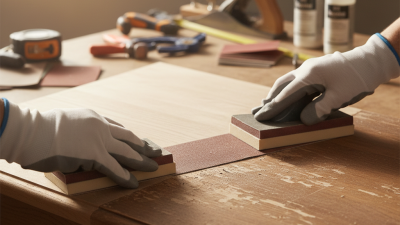
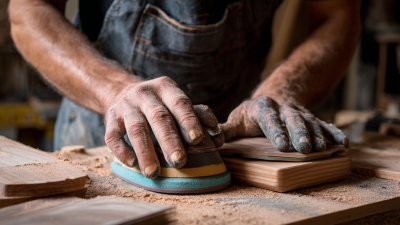
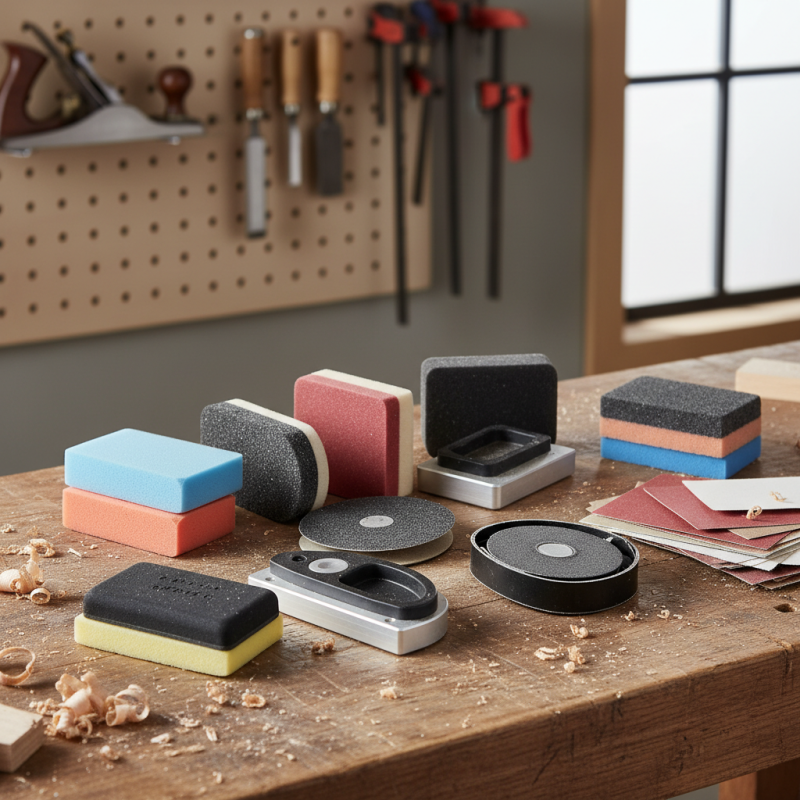
Hand sanding is a vital skill in woodworking. It involves manually smoothing surfaces to achieve a refined finish. The process allows for greater control, especially on intricate pieces. Unlike power sanding, hand sanding lets you feel the wood's texture and imperfections. This tactile feedback can lead to more personalized results.
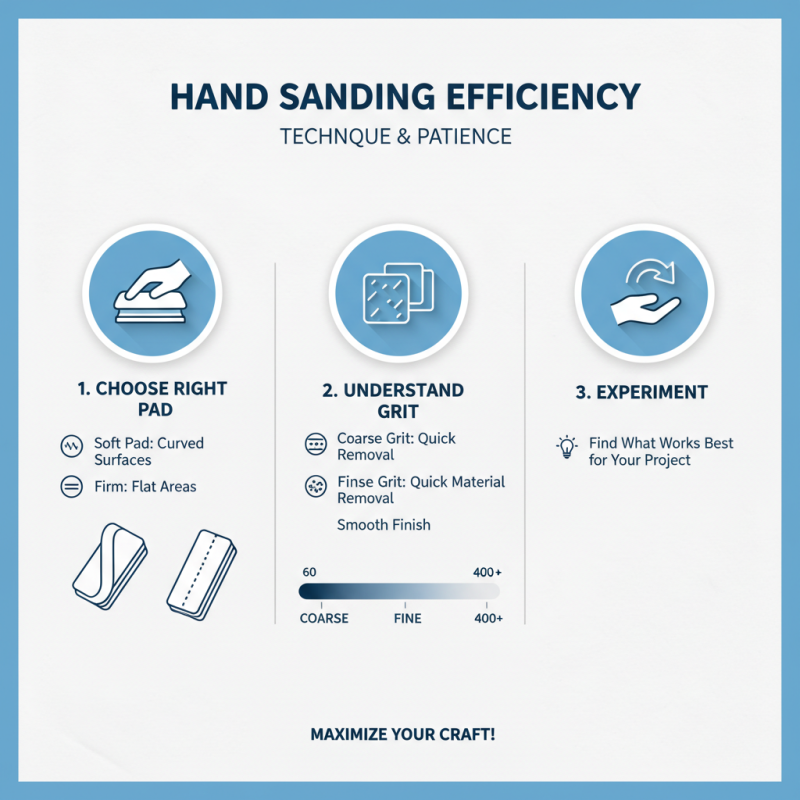
Choosing the right sanding pad is crucial. Different pads serve various purposes. A rough pad can remove material quickly but may leave scratches. Conversely, a finer pad provides a smoother finish. Often, woodworkers find themselves experimenting with different grits to find the perfect balance between efficiency and finish quality.
Mistakes are part of hand sanding. Over-sanding can lead to uneven surfaces or gauge marks. It's essential to constantly assess your work. Take breaks to step back and view the piece from different angles. This practice helps prevent errors and leads to rewarding outcomes. By embracing the imperfections, you can improve your techniques and achieve a more satisfying woodworking experience.
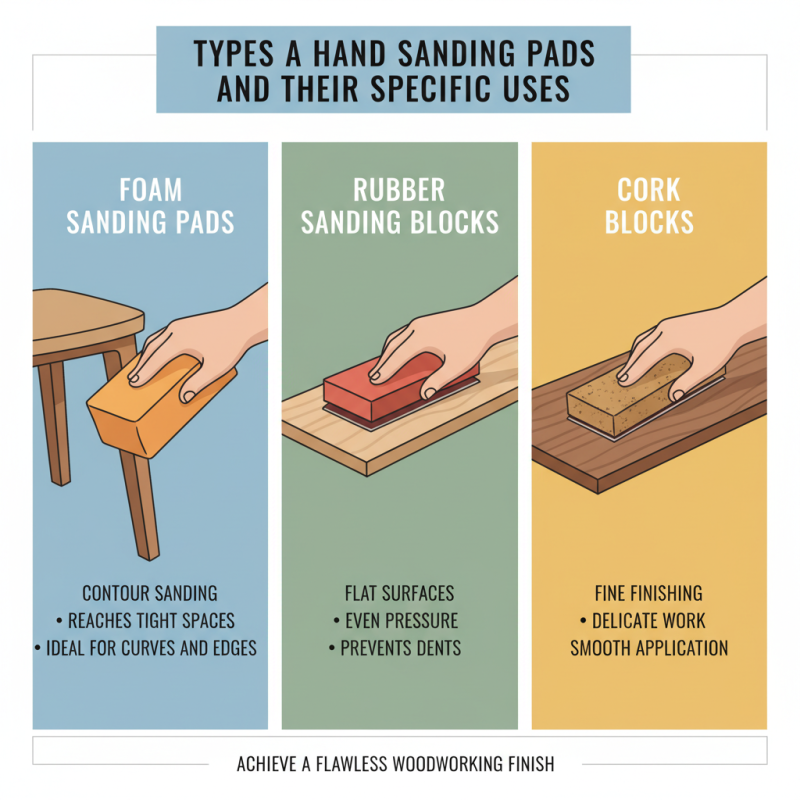
Types of Hand Sanding Pads and Their Specific Uses
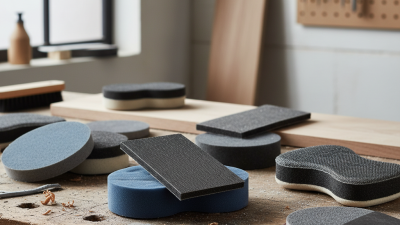
When it comes to woodworking, selecting the right hand sanding pad is essential for achieving a smooth finish. There are various types available, each tailored for specific tasks. For example, foam sanding pads are great for contour sanding. They conform to curves and edges, making them ideal for intricate work. Their flexibility helps reach tight spaces, ensuring no detail is overlooked.
Another common type is the hook-and-loop sanding pad. These pads allow for quick changes between grits, saving valuable time. They work well with random orbit sanders. However, they may wear out faster than other types. Users should be mindful of their lifespan and replace them regularly to maintain effectiveness. While they are user-friendly, it can be easy to overlook the proper grit selection for each project.
Lastly, abrasive cloth sanding pads are often recommended for heavy-duty tasks. They are durable and provide a consistent finish on rough surfaces. However, they are less forgiving on softer woods, which can lead to scratches. Crafting the perfect finish requires reflection on the tool used and the wood’s characteristics. Focusing on these details can lead to improved results in woodworking projects.
Key Features to Look for in High-Quality Sanding Pads
When selecting hand sanding pads for woodworking, understanding key features is essential.
High-quality sanding pads should be versatile and provide uniform surface finishing. Look for pads that offer a variety of grits, from coarse to fine. This allows for effective material removal, smoothing, and finishing. According to industry reports, using the correct grit can reduce sanding time by up to 30%.
Durability is another critical aspect. Quality sanding pads should withstand prolonged use without degrading quickly. Materials like aluminum oxide or silicon carbide are more durable than standard options. They can last longer and save money in the long run. Remember, a worn pad can cause uneven surfaces.
Tip: Always test a small area first. This can help identify the best grit for your project. Another tip is to keep the sanding pad clean. Dust and debris can clog the surface, reducing efficiency. Regularly inspect your pads to ensure they are in good condition. Look for signs of wear, like fraying or noticeable loss of grit.
Top 10 Recommended Hand Sanding Pads for Woodworkers
Choosing the right hand sanding pad is crucial for efficient woodworking. The market is filled with options, making it challenging to find what suits your needs. Some pads work well for flat surfaces, while others excel in tight corners. Understanding the differences can save you time and frustration.
When selecting a sanding pad, consider the grit. Finer grits are perfect for finishing, while coarser grits remove material quickly. Try various grits for different tasks. Your choice should depend on the project’s stage and desired finish. Don’t overlook the importance of comfort. A pad that fits well in your hand can reduce fatigue during long sessions.
Tip: Always test a sanding pad on a scrap piece before moving to your final work. This ensures you achieve the desired result without damaging your project. Regularly inspect your pads for wear. A worn pad can leave scratches and uneven surfaces. Keep your workspace organized to streamline the sanding process and enhance safety.
Top 10 Hand Sanding Pads for Efficient Woodworking
| Pad Type |
Grit Size |
Material |
Durability |
Price Range |
| Foam Pad |
60 - 220 |
Sponge |
High |
$5 - $15 |
| Sandpaper Sheets |
80 - 400 |
Aluminum Oxide |
Medium |
$10 - $20 |
| Hand Sanding Block |
100 - 320 |
Wood |
High |
$8 - $18 |
| Scuff Pad |
320 - 600 |
Nylon |
Medium |
$3 - $12 |
| Detail Sander Pad |
120 - 240 |
Silicon Carbide |
High |
$7 - $15 |
| Wet/Dry Sanding Pad |
80 - 300 |
Wet/Dry |
Medium |
$5 - $25 |
| Flexible Sanding Pad |
120 - 240 |
Paper |
Medium |
$6 - $14 |
| Mesh Sanding Pad |
180 - 320 |
Mesh |
High |
$10 - $22 |
| Non-Woven Sanding Pad |
400 - 600 |
Non-Woven |
Medium |
$4 - $16 |
| Round Sanding Pad |
80 - 400 |
Ceramic |
High |
$10 - $30 |