Top 10 Sanding Belts For Belt Sanders You Need to Buy?
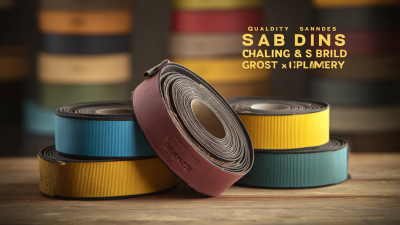
When it comes to woodworking, selecting the right tools is essential. Among these tools, belt sanders play a crucial role. However, choosing the best sanding belts for belt sanders can be a daunting task. With numerous options available, it’s easy to feel overwhelmed. The quality of sanding belts greatly affects the finishing of any project.
In this guide, we highlight the top 10 sanding belts for belt sanders that you need to consider. These products combine durability, performance, and efficiency, tailored to various needs. From fine finishes to heavy-duty sanding, each belt serves a specific purpose. Knowing the right sanding belt can enhance your overall experience.
Choosing poorly can lead to frustration. Some belts may wear down quickly or struggle on tough materials. It’s crucial to assess your projects before purchasing. Understanding what works best can save you time and improve your craft. Investing in quality sanding belts for belt sanders is a step toward better results.
Top Features to Consider When Choosing Sanding Belts for Belt Sanders
When selecting sanding belts for belt sanders, durability is key. Look for belts made from high-quality materials. Durable belts last longer and withstand more wear. Consider the grit size that suits your project needs. Finer grits are ideal for smooth finishes, while coarser grits are perfect for heavy material removal. A proper grit selection can improve work efficiency significantly.
Belt width and length are also crucial. Ensure the belts you choose match your sander's specifications. An ill-fitting belt can lead to subpar performance. Pay attention to the backing material as well. Strong backing supports the belt during sanding, enhancing stability. Additionally, consider how easy it is to change out belts. Some designs may prove tricky, leading to frustration.
Lastly, user reviews can provide insight into the performance of different sanding belts. Look for feedback on longevity and sanding effectiveness. While specifications are important, real-world testing tells a different story. Failing to consider this could result in unsatisfactory outcomes. Making an informed decision takes effort but pays off in the long run.
Types of Sanding Belts: Materials and Grit Sizes Explained
When choosing sanding belts, understanding the materials and grit sizes is crucial. Sanding belts are typically made from various materials, including aluminum oxide, zirconia, and ceramic. Each material has its own unique properties, making it suitable for different applications.
Aluminum oxide is durable and efficient for general sanding tasks. Zirconia provides better performance for heavier sanding jobs. Ceramic belts tend to last longer, especially when working with tough materials.
Grit size is another vital factor. It determines how aggressive the sanding will be. Lower grit numbers, such as 60 or 80, are rough and ideal for heavy material removal. Higher grits, like 220 or 400, provide a smoother finish. However, it's important to note that using too high of a grit too soon can be counterproductive. This could lead to longer finishing times and more work overall. Striking a balance between the right material and grit size is essential.
In practice, you may find that certain belts perform better than expected while others do not. A specific grit may wear out quickly while the same grit from another material lasts longer. Testing various combinations can be needed to find what works best for your specific projects. Adapting your choice based on actual performance can lead to better results in sanding tasks.
The Importance of Belt Size Compatibility with Your Belt Sander
When selecting sanding belts for your belt sander, compatibility in size is crucial. A properly fitting belt ensures optimal performance and longevity of both the belt and the sander. An ill-fitting belt can lead to uneven sanding, increased wear, and potential damage to the machine. Knowing the exact size specifications of your sander will help avoid these pitfalls.
Many users overlook the importance of belt size. They may assume any belt will suffice. Yet, a mismatch can lead to frustration and wasted materials. Always check the manufacturer’s guidelines for correct dimensions. Investing time in understanding these nuances can make a significant difference in your woodworking projects. Proper research pays off in terms of both efficiency and quality of work.
It is easy to feel overwhelmed by choices. The market has many sanding belts, making the decision difficult. While the aesthetics of a belt may seem appealing, focus should be on functionality. Reflect on past experiences where unsuitable belts caused delays. Choosing the right sized belt requires more than mere preference; it demands informed decisions rooted in practical needs and outcomes.
Top 10 Sanding Belts Reviews: Pros and Cons of Each Option
When choosing sanding belts for your belt sander, it's crucial to understand the pros and cons of each option.
Many professionals recommend belts made of aluminum oxide for their
durability and versatility. These belts excel in wood sanding tasks but wear out faster on metal. In contrast,
ceramic sanding belts are more expensive but last longer,
especially for high-pressure applications.
A recent industry report indicated that sanding belts with a grit range between
80 and 120 are the most preferred for general woodwork.
They strike a balance between material removal and surface finish. Users often overlook the importance
of grit selection. The wrong grit can lead to excessive wear or poor surface results.
Tip: Always assess the task at hand before selecting a sanding belt. A finer grit is ideal for finishing,
while a coarser grit is for heavy material removal.
Another consideration is the belt's width and length. Belts fit standard dimensions but may differ in thickness.
Thicker belts can resist tearing better, making them suitable for heavy-duty tasks. However, this might limit
flexibility, which is crucial for contours and curves.
Tip: If unsure, test belts on scrap materials. This approach gives insight into performance without risking
your main project.
Maintenance Tips for Prolonging the Life of Your Sanding Belts
When using sanding belts, proper maintenance is essential for extending their lifespan. Regularly check for signs of wear, such as frayed edges or a gummed surface. These indications can impact performance. Clean your belts after each use to remove dust and debris. This simple step helps maintain their effectiveness.
Consider the tension on your belt sander. Too much pressure can cause excessive wear. Adjusting the tension to the optimal level promotes even wear and extends the belt's life. After each session, store your sanding belts in a cool, dry place. Humidity can weaken the adhesive and materials used in the belts.
To avoid premature damage, do not use a belt for longer than necessary. Prolonged use can lead to overheating and decrease the belt's efficiency. Periodically rotate your sanding belts to even out wear across the surface. A bit of extra attention can go a long way in preserving your sanding belts.