What is a 16mm Drill Bit and How to Choose the Right One?
Choosing the right drill bit can be daunting. One common size is the 16mm drill bit. Experts emphasize the importance of making the right choice. "A drill bit can make or break your project," says John Miller, a renowned tool specialist. This highlights the significance of understanding your needs before selecting a 16mm drill bit.
Different materials require different drill bits. A 16mm drill bit is versatile, suitable for wood, metal, and plastic. However, not all 16mm drill bits are created equal. Factors like material, coating, and design impact performance. Choosing the wrong bit can lead to frustration and poor results.
Miller further advises, "Always consider the project requirements." Each project is unique. This means that reflecting on your specific needs can help in selecting the best 16mm drill bit. Remember, even small details can greatly affect your project's outcome. Make an informed choice, and you will see the difference.
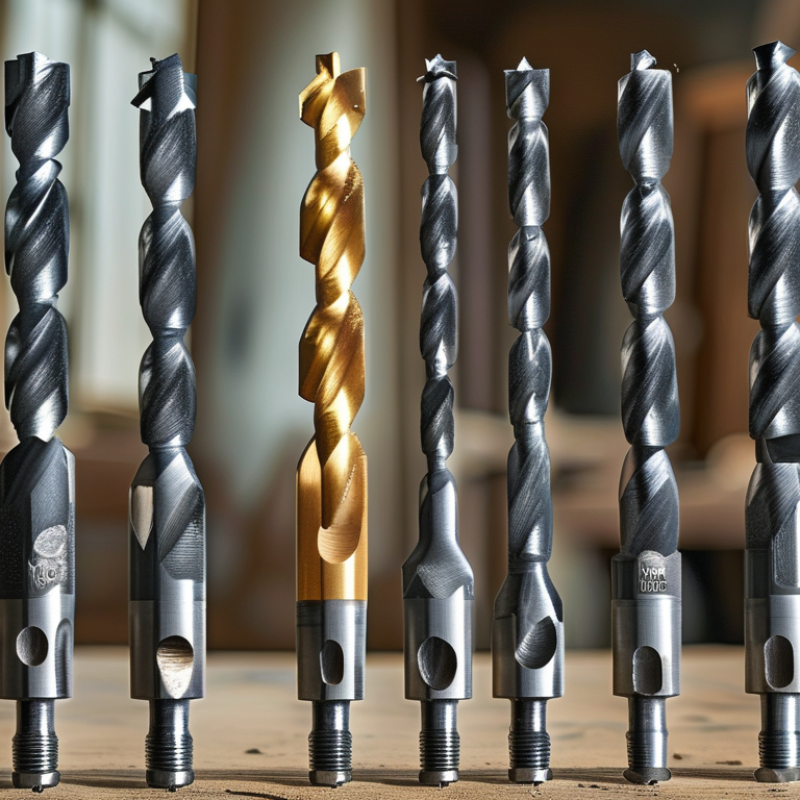
What is a 16mm Drill Bit? A Comprehensive Overview
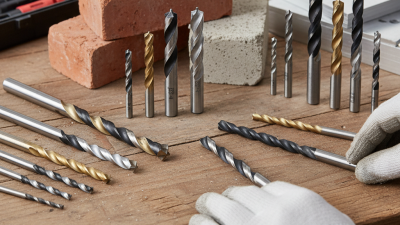
A 16mm drill bit is a specialized tool designed for drilling precise holes with a diameter of 16 millimeters. It is essential in various applications ranging from woodworking to metalworking and construction. The size of a 16mm bit falls into the larger range, making it suitable for tasks that require more substantial drilling power. According to industry reports, drill bits of this size are increasingly popular due to their versatility and efficiency in penetrating dense materials.
When choosing a 16mm drill bit, it's vital to consider the material you'll be working with. Different materials require specific bit types. For instance, high-speed steel (HSS) bits are preferred for metal, while carbide-tipped bits excel in masonry. Additionally, a well-maintained bit ensures better performance. A worn bit can lead to inaccuracies and inefficient drilling, which may increase project costs. Data indicates that using the correct bit type can improve drilling speed by up to 30%, underscoring the importance of making an informed decision.
Selecting the right 16mm drill bit may seem straightforward, but several factors can complicate the choice. Not all bits are created equal, and their design can significantly impact results. Some bits may chip or wear quickly, affecting the quality of the holes. Users often overlook the significance of bit sharpness and design. A dull bit can cause overheating and reduce lifespan. Engaging in careful research and consultations with professionals can provide insights that help navigate these complexities.
Material Types for 16mm Drill Bits: Pros and Cons
When selecting a 16mm drill bit, the material type plays a crucial role in its performance. High-speed steel, or HSS, is a popular choice. This material is sturdy and resists wear, making it ideal for metal and wood projects. However, it may not hold up well against harder materials like concrete.
Cobalt steel is another option. It offers better heat resistance than HSS, making it excellent for tough drilling tasks. The downside is its higher cost. If you are drilling into harder surfaces, consider carbide-tipped bits. They last longer and can tackle tough materials effectively. Yet, they can be brittle and require careful handling.
Each material has pros and cons. Your choice depends on your project's specific needs. Reflect on what you've previously used and what worked. Testing different materials can guide you. A thoughtful approach will lead you to the best choice for your drilling needs.
Understanding Drill Bit Geometry: Flute Design and Point Angle
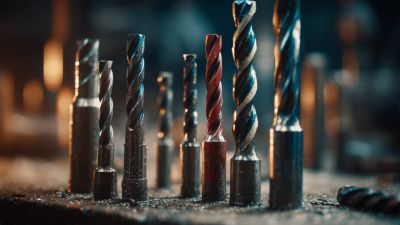
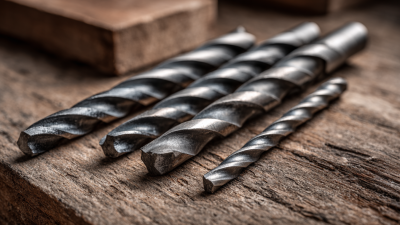
When selecting a 16mm drill bit, understanding the geometry is crucial. The flute design significantly affects chip removal and cutting efficiency. A well-designed flute provides a smooth path for debris to exit, reducing friction and heat. Optimal heat management is vital to prolong the lifespan of the drill bit. Reports indicate that drill bits with appropriate flute angles can increase drilling speed by up to 30%.
Point angle also plays a significant role. Standard point angles vary between 118° to 135° depending on the material being drilled. A sharper point angle can enhance precision and speed but may wear faster. Reports suggest that for metals, a 135° point angle results in cleaner holes, while softer materials benefit from a 118° angle.
Choosing the right combination of flute design and point angle is complex. A mismatch can lead to inefficient drilling and quicker wear of the bit. Many professionals continually review their needs for different applications. Understanding these nuances helps improve performance and reduce costs over time. This reflection could prevent future mistakes in tool selection.
What is a 16mm Drill Bit and How to Choose the Right One? - Understanding Drill Bit Geometry: Flute Design and Point Angle
| Feature |
Details |
| Diameter |
16mm |
| Flute Design |
Straight or Helical |
| Point Angle |
118° (standard) or 135° (split point for harder materials) |
| Material |
High-Speed Steel (HSS), Cobalt, Carbide |
| Coating |
None, Titanium Nitride (TiN), Black Oxide |
| Typical Applications |
Wood, Metal, Plastic, Composite Materials |
| Recommended Speed |
Subjects material; generally 800-3000 RPM |
| Coolant Required |
Not required for wood, recommended for metals |
Key Factors in Choosing a 16mm Drill Bit for Your Project
When choosing a 16mm drill bit, several key factors come into play. First, consider the material you will be drilling into. Different materials, like wood or metal, require different bit types. High-speed steel (HSS) bits are great for metal, while carbide-tipped bits excel in harder materials. Understanding material compatibility is crucial for a successful project.
Next, think about the drill bit’s design. A standard twist bit is versatile for most applications. However, drill bits with specific features, like split points, can enhance precision and reduce walking. Also, consider the length of the bit. Longer bits are necessary for deep drilling but may require more force. Ensure that your drill can handle the length effectively.
Lastly, check the quality of construction. A poorly made bit will wear out quickly and could impact your work. Sometimes, opting for a mid-range quality product might yield better results than pursuing the cheapest option. It’s essential to reflect on these factors to avoid costly mistakes later on. Make sure you are well-prepared before starting your project, as the right 16mm drill bit can significantly affect the outcome.
Industry Standards and Specifications for 16mm Drill Bits
When selecting a 16mm drill bit, understanding industry standards is essential. These specifications ensure the bit’s design meets various applications effectively. A 16mm drill bit generally conforms to standards set by organizations such as ANSI or ISO. These standards outline the material types, tolerances, and dimensional requirements essential to achieve optimal performance.
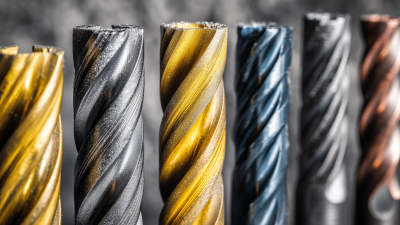
Materials used for 16mm drill bits include high-speed steel and carbide. High-speed steel bits offer durability and heat resistance, while carbide bits excel in harder materials. Always check the bit’s coating, which might be titanium or black oxide, as this can influence lifespan and cutting effectiveness.
Tips: Ensure you examine the shank type, whether it’s a straight or tapered fit. This affects compatibility with your drill. Consider the drill bit's flute design as well. Flutes help remove debris and can optimize cutting efficiency.
Understanding these specifications provides a more informed choice. It’s worth noting that not all 16mm bits are created equal. Testing different brands may yield insights into performance variances. Always prioritize a bit that fits your specific application needs.