Best Brick Masonry Drill Bit for Perfect Results?
When it comes to selecting the best Brick Masonry Drill Bit, expert opinions matter. John Miller, a seasoned masonry contractor with over 15 years of experience, emphasizes, "The right drill bit makes all the difference in your project’s outcome." This insight highlights the importance of choosing quality tools for brickwork.
Brick masonry requires precision. A suitable drill bit ensures clean holes without damaging the surrounding material. The market offers various options, but not all deliver perfect results. It's vital to assess your needs before making a choice. Pay attention to bit material and design. Some bits work better for softer bricks, while others excel with harder types.
Understanding tool performance can be daunting. Many users find themselves confused by options available. Often, selecting lower-quality bits leads to frustration. They break, overheat, or produce uneven holes. It's imperative to invest time in research. With expert guidance and proper selection, achieving flawless results in masonry tasks is possible.
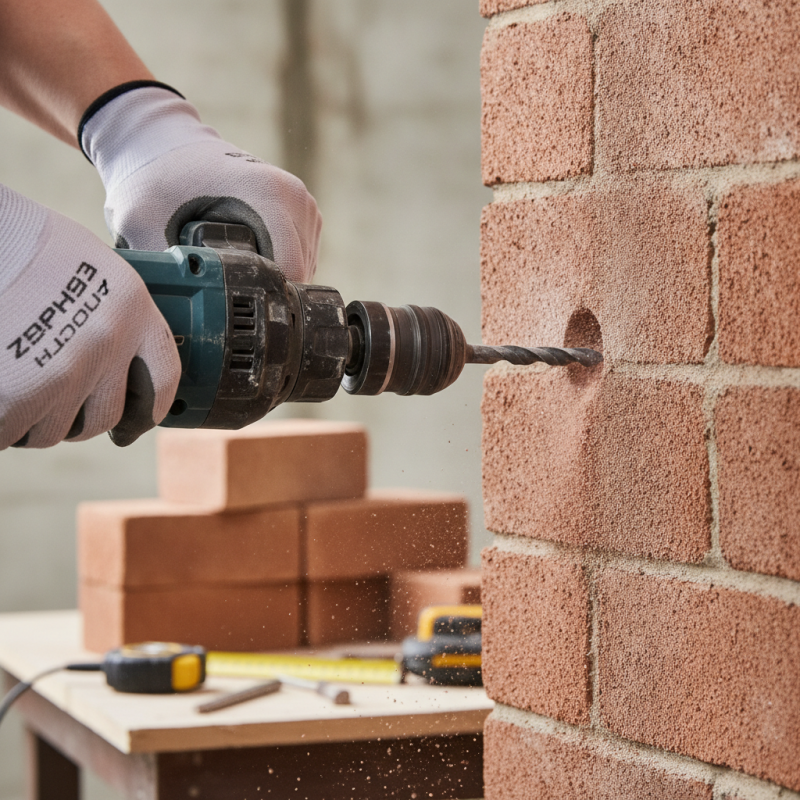
Understanding Brick Masonry Drill Bits: Types and Materials
When working with brick masonry, choosing the right drill bit is crucial. Understanding the types and materials of drill bits can dramatically impact your results. For brickwork, masonry drill bits typically feature a carbide tip. This design increases their durability. They can withstand the hardness of brick. Also, specialized bits designed for hammer drills enhance performance.
Tips: Always check the bit's condition before starting a project. A dull bit can lead to cracks in the masonry. If you notice excessive wear, it's wise to replace it.
Another factor to consider is the bit's size. Selecting the correct diameter is essential for your job. Using an improper size may result in ineffective drilling. Even a small difference can change how well the project turns out.
Tips: Start with a smaller bit when drilling into tougher materials. It minimizes the risk of damaging the brick. Over time, refining your technique can lead to better precision and fewer mistakes. Remember, every project is a learning opportunity.
Key Features to Look for in a Brick Masonry Drill Bit
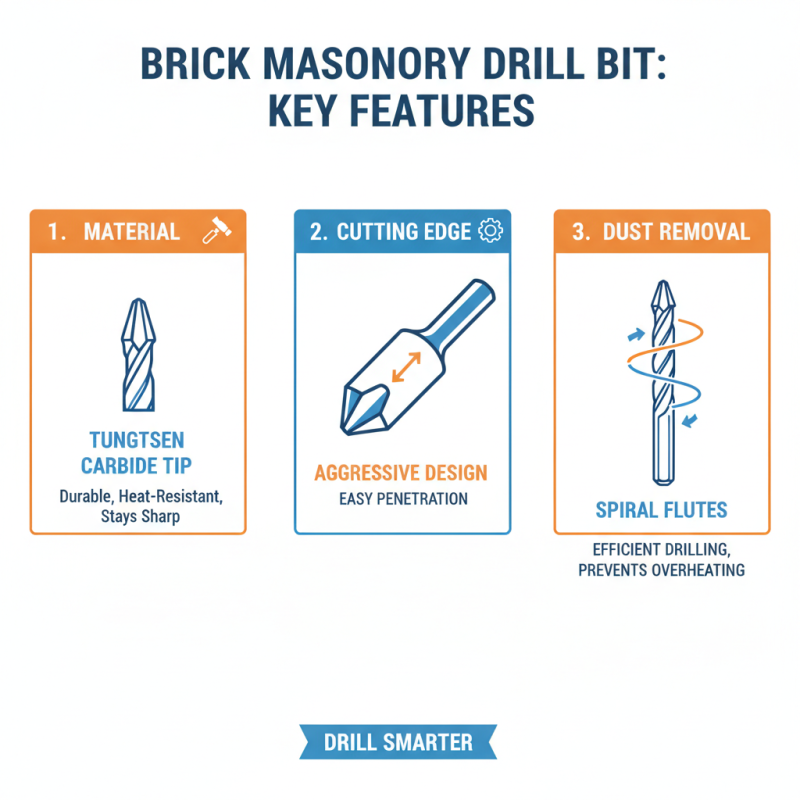
When selecting a drill bit for brick masonry, some key features matter. The material is crucial. A tungsten carbide tip is ideal for durability. These tips withstand high heat and maintain sharpness longer. The cutting edge should be designed for easy penetration through tough surfaces. Look for bits that offer spiral flutes to aid in dust removal. This feature enhances drilling efficiency and prevents overheating.
Size matters, too. Choose bits that range from 1/4 inch to 1 inch, depending on your project needs. A pilot hole can guide larger bits for more precise results. Check the shank type, as a compatible shank ensures a secure fit in your drill.
Consider the drill speed as well. A lower speed setting is often better for brick. This helps avoid cracking. Testing different bits may lead to frustrating experiences. Don't hesitate to adjust your approach based on what feels effective. Lastly, while it’s easy to focus solely on performance, we must also consider technique and care during the drilling process for the best outcomes.
How to Select the Right Size Drill Bit for Your Project
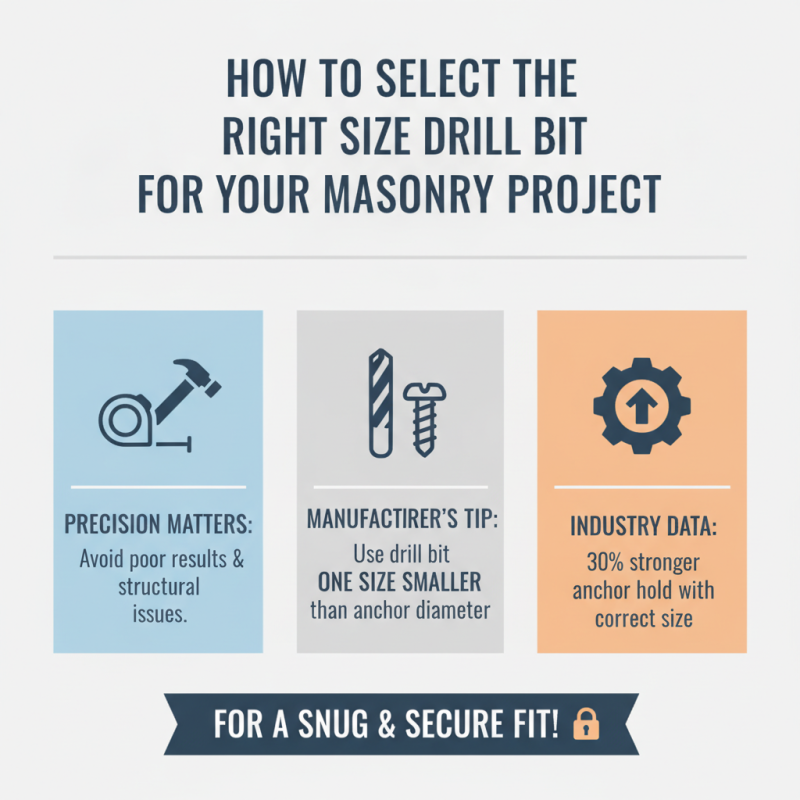
When selecting the right size drill bit for masonry projects, precision matters greatly. The wrong size can lead to poor results and structural issues. Manufacturers suggest that using drill bits that are one size smaller than the anchor diameter can ensure a snug fit. This fits in with data from recent industry studies that show a 30% improvement in anchor holding strength with the proper drill bit size.
For most masonry work, bits should be at least 1/4 inch in diameter for standard tasks. However, when dealing with larger fixed installations, sizes up to 1 inch may be necessary. This flexibility makes it essential to carefully evaluate your project needs. The American National Standards Institute states that improper sizing can result in a significant increase in the chance of drill bit breakage, leading to costly delays.
It is crucial to have a selection of bit sizes on hand. Many projects require a variety of diameters. Sometimes, it's tempting to just use what's available, but that can lead to unsatisfactory outcomes. Consider the material's condition too. For instance, extremely hard bricks may require slightly larger bits to avoid cracking. Always double-check dimensions before commencing work. This extra step can make all the difference in achieving an effective and safe installation.
Tips for Efficient and Safe Use of Brick Masonry Drill Bits
When working with brick masonry, using the right drill bit is crucial. However, even the best tools require careful handling. Proper technique ensures efficient drilling and safety. Start by securing the workpiece to prevent movement. This reduces injury risk and improves results. Always wear safety gear, such as goggles and gloves, to protect yourself from debris and dust.
Choosing the right speed is important. High speeds can generate excessive heat and damage the bit. A moderate speed allows for better control and longevity of the tool. When applying pressure, do it gradually. Too much force can lead to bit breakage, or even injury. Take your time to avoid mistakes. Drilling too quickly might lead to uneven holes or fractures in the brick.
Occasionally, you may encounter resistance or unexpected issues. Don’t rush through these moments; they can teach valuable lessons. If the bit gets stuck, stop and assess the situation. Sometimes, changing angles or bit types can yield better results. Reflecting on past drilling experiences helps improve future projects. With practice and mindfulness, you’ll master brick masonry drilling.
Maintenance and Care for Long-lasting Drill Performance
Maintaining drill bits is essential for quality masonry work. Proper care extends their life and ensures optimal performance. A study by the International Journal of Engineering Research shows that regular maintenance can increase tool longevity by up to 40%. Choosing the right storage method prevents corrosion and impact damage.
Cleaning your drill bits after each use is crucial. Build-up of dust and debris can hinder their performance. A mixture of water and mild detergent is effective for cleaning. Use a soft brush to remove stubborn residues. Regular inspections for wear or chipping can prevent costly delays.
Lubrication is another key aspect. Using the appropriate lubricant reduces friction and heat, which can damage drill bits. According to the American Society of Mechanical Engineers, proper lubrication improves efficiency by 25%. Consider keeping a log of maintenance activities. This practice helps identify patterns and areas needing attention. Adjusting care routines based on findings can lead to better performance and results.
Best Brick Masonry Drill Bit for Perfect Results? - Maintenance and Care for Long-lasting Drill Performance
| Drill Bit Type |
Material |
Diameter (mm) |
Length (mm) |
Recommended Speed (RPM) |
Maintenance Tips |
| Masonry Bit |
Carbide |
8 |
200 |
3000-4000 |
Clean after use, avoid overheating |
| Hammer Drill Bit |
Diamond |
10 |
150 |
2500-3500 |
Regularly check for wear, lubricate |
| Twist Drill Bit |
High-Speed Steel |
6 |
100 |
2000-3000 |
Sharpen regularly, avoid excessive force |