What are the Best Masonry Bits for Concrete?
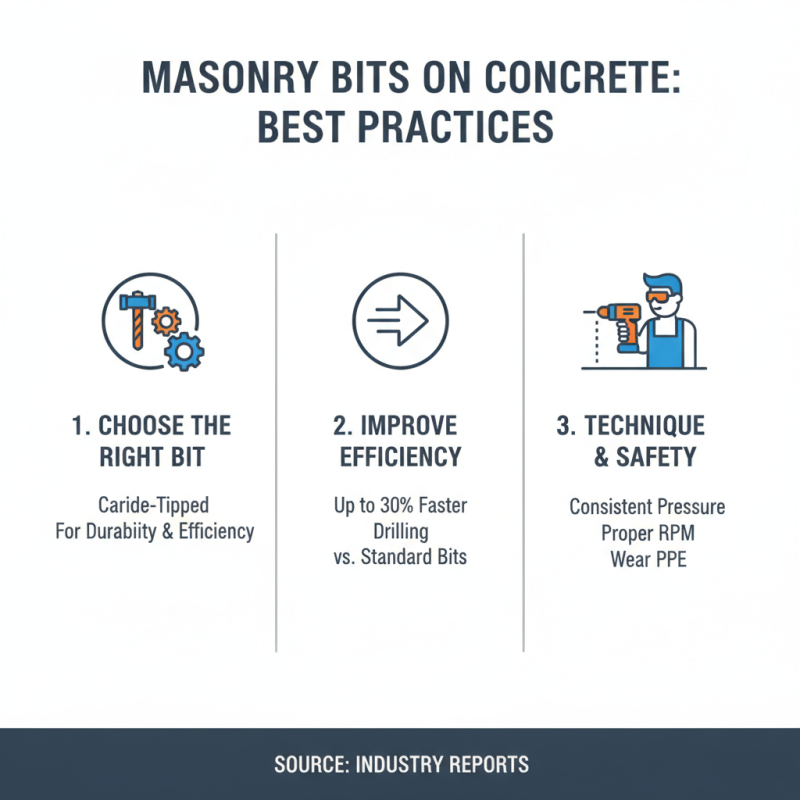
Masonry Bits for Concrete are essential tools for professionals in construction and remodeling. The right bit makes a significant difference in performance and efficiency. According to a report by the American Concrete Institute, using proper drilling tools can increase productivity by up to 30%. This highlights the importance of selecting the best masonry bits.
Masonry bits designed for concrete are made with durable materials. These bits often feature carbide tips, which enhance longevity and drilling speed. However, not all masonry bits are suitable for every application. Understanding specific needs is crucial. A recent survey revealed that 70% of construction professionals experienced frustration with inadequate tools. This underscores the need for informed choices in selecting masonry bits.
Selecting the best masonry bits for concrete can be challenging. There's a wealth of options available, each with different features. It is vital to balance performance with cost. While some high-end bits promise superior results, their value should be measured against your project requirements. Making an educated choice ensures reliable outcomes and keeps projects on track.
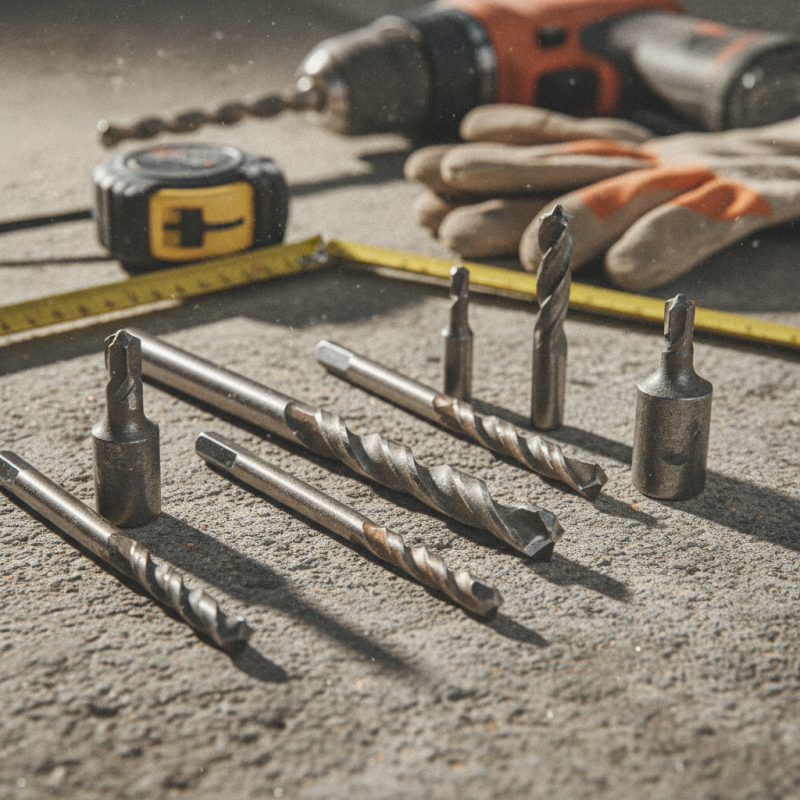
Understanding Masonry Bits: Types and Uses for Concrete
Masonry bits are essential tools for drilling into concrete. They come in various types, each suited for specific tasks. Understanding these types helps users select the right bit for their projects. For instance, carbide-tipped masonry bits are designed for heavy-duty applications. Their endurance makes them popular among professionals, as studies show they last up to three times longer than standard bits.
Another type is the diamond-tipped masonry bit, known for its effectiveness on hard materials. Research indicates that diamond bits can increase drilling speed by 50% in tough aggregates like reinforced concrete. Their precision cuts reduce chipping around holes, making them ideal for tasks that require clean finishes. However, these bits can be expensive and might not be necessary for all projects.
Users often overlook the importance of choosing the right shank type. SDS and standard shanks each have strengths and weaknesses. SDS bits are more secure in power tools but may limit versatility compared to standard shanks. A mismatch of tools and bits often leads to inefficiency. Many professionals recommend investing time in understanding these differences to avoid costly mistakes in both time and material.
Key Features to Consider When Choosing Masonry Bits
When selecting the best masonry bits for concrete, understanding key features is essential. The material of the bit is crucial. Generally, carbide-tipped bits are recommended for their durability and efficiency. Industry studies show that these bits can penetrate concrete with up to 40% more speed compared to standard steel. This efficiency saves both time and energy during construction projects.
Another vital aspect is the size of the bit. Professionals often prefer bits ranging from 1/4 inch to 1 inch in diameter. This range enables versatility for various applications. However, selecting the right size also involves assessing the anchor or fixture being used. Not all projects require large diameter bits, leading to potential cost and time wastage. A good understanding of the project’s needs can prevent such issues.
Additionally, the design of the bit plays a critical role. Spiral flutes and the pattern of the tip can influence performance. For instance, deeper flutes allow for better dust removal, improving efficiency. A report from the Construction Industry Research Board indicates that using well-designed bits can reduce wear and tear by nearly 30%. Many users overlook this aspect, sometimes impacting results negatively.
What are the Best Masonry Bits for Concrete? - Key Features to Consider When Choosing Masonry Bits
| Masonry Bit Type |
Material |
Diameter Range (mm) |
Length (mm) |
Shank Type |
Best Use |
| Carbide-Tipped |
Carbide |
4 - 16 |
200 - 300 |
Round |
Concrete, Brick |
| Diamond Core |
Diamond |
25 - 150 |
100 - 600 |
SDS Plus |
Large Holes in Concrete |
| Masonry Drill Bit |
HSS |
4 - 12 |
150 - 250 |
Hex |
Masonry Walls |
| SDS Drill Bit |
Carbide |
6 - 24 |
200 - 400 |
SDS Max |
Heavy-Duty Applications |
| Multi-Purpose |
Carbide |
5 - 20 |
150 - 300 |
Round |
Versatile Use |
Top Brands for High-Quality Masonry Bits for Concrete
When selecting masonry bits for concrete, it's crucial to consider high-quality options. Various brands offer reliable products designed specifically for dealing with the tough surface of concrete. These brands often prioritize durable materials that resist wear. Using a well-made masonry bit can increase efficiency during drilling.
Some brands have established their reputation through innovative designs. Their masonry bits often feature carbide tips to maximize performance. This makes the drilling process easier.
Additionally, these brands usually provide a range of sizes for different projects. Whether you're drilling small holes or larger ones, there’s likely a bit for your needs.
However, it’s essential to research and evaluate options carefully.
Not all products marketed as high-quality live up to the claims. User reviews can help gauge reliability and effectiveness. Pay attention to users' experiences with specific masonry bits. Their feedback can reveal important insights about the tools that truly excel in concrete work.
Maintenance Tips for Longevity of Masonry Bits
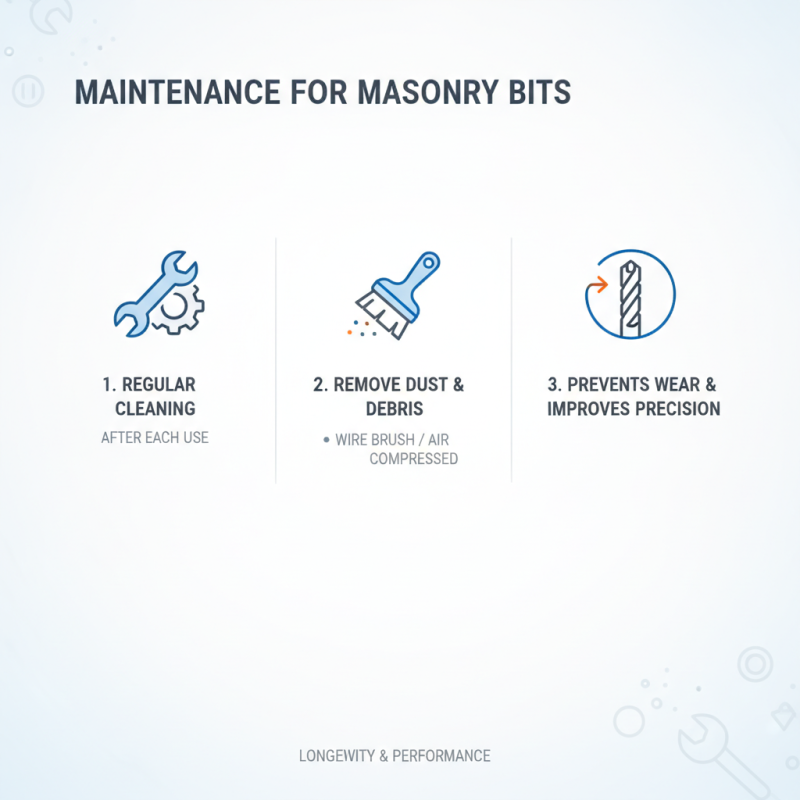
Maintaining masonry bits is crucial for their longevity and performance. Regular cleaning is essential. After each use, remove dust and debris. This simple step prevents wear and tear on the bit. Use a wire brush or compressed air to remove concrete particles. Even a small build-up can affect drilling precision.
Inspection is another key factor. Check the cutting edges for chipping or dullness. Any damage can lead to ineffective drilling or increased effort. If you notice significant wear, consider sharpening or replacing the bit. Storage also matters. Store bits in a dry place, away from moisture. A damp environment can lead to rust and corrosion.
Using masonry bits within their intended capacity helps prevent early wear. Avoid excessive pressure when drilling. Too much force can cause overheating, leading to reduced effectiveness. Remember, not all concrete is the same. Different projects might require different techniques. If in doubt, consulting with a professional can provide insights into optimal use and care.