How to Choose the Right Brick Cutting Blade for Your Project
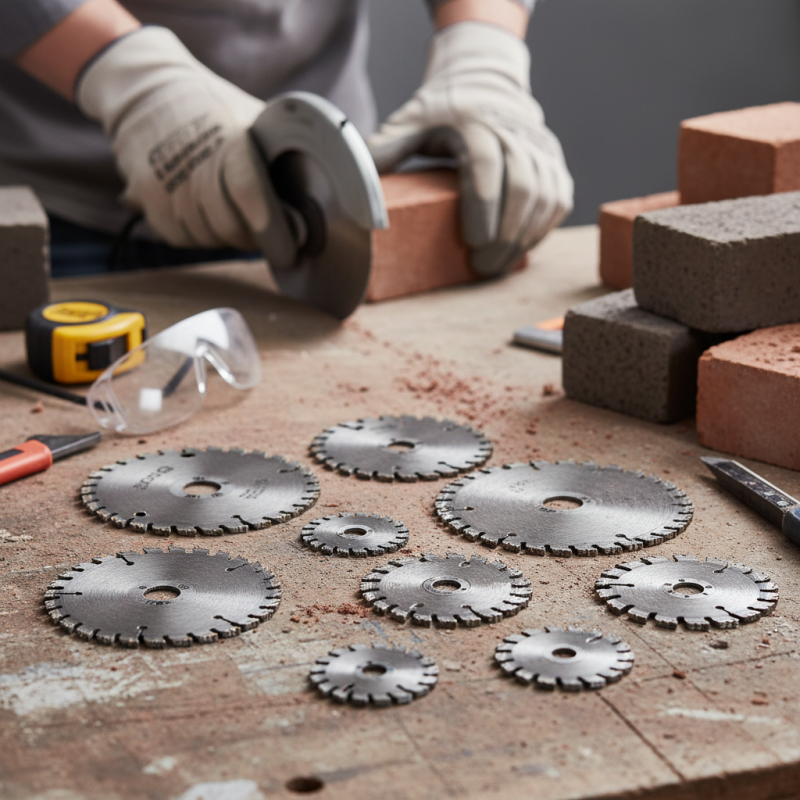
Choosing the right Brick Cutting Blade can significantly impact the success of your project. As industry expert Tom Richards states, "The right blade makes all the difference." Selecting the correct blade involves understanding the type of brick and the cutting technique.
Different bricks require specific blades. Some are engineered for soft bricks, while others excel with tougher materials. Quality matters. A poor-quality blade can lead to uneven cuts and wasted time.
Often, users overlook the importance of blade specifications. Knowing the diameter and thickness is crucial. Some might find it challenging to navigate through various options. It's a task that requires diligence and research. Finding the ideal Brick Cutting Blade is more than just a purchase; it's about investing time to ensure quality and precision.
Understanding Different Types of Brick Cutting Blades and Their Applications
When selecting a brick cutting blade, understanding the types available is crucial. Diamond blades are popular for their durability. These blades cut through hard materials easily but can be expensive. Consider the specific brick type you’re working with. Some blades perform better on clay bricks, while others excel with concrete blocks.
Additionally, there are abrasive blades. They are often cheaper and suitable for softer bricks. However, they wear down more quickly. Users may find themselves replacing them frequently. This can lead to unexpected delays. It’s essential to match the blade to the project requirements.
Another option is segmented blades. They provide efficient cooling with their design. They are effective for heavy-duty cutting, but they can create more dust during use. In environments where dust is a concern, this might be an issue. Evaluating these features will help ensure the right choice is made for your cutting needs.
How to Choose the Right Brick Cutting Blade for Your Project
| Blade Type |
Material |
Application |
Cutting Speed |
Lifespan |
| Diamond Blade |
Diamond Segments |
Granite, Brick, Concrete |
High |
Long |
| Tungsten Carbide Blade |
Tungsten Carbide |
Soft Brick, Block |
Medium |
Medium |
| Masonry Blade |
Steel |
Masonry, Brick |
Low to Medium |
Short |
| Wet Cutting Blade |
Diamond Segments |
Brick, Concrete |
High |
Long |
Key Factors to Consider When Selecting a Brick Cutting Blade
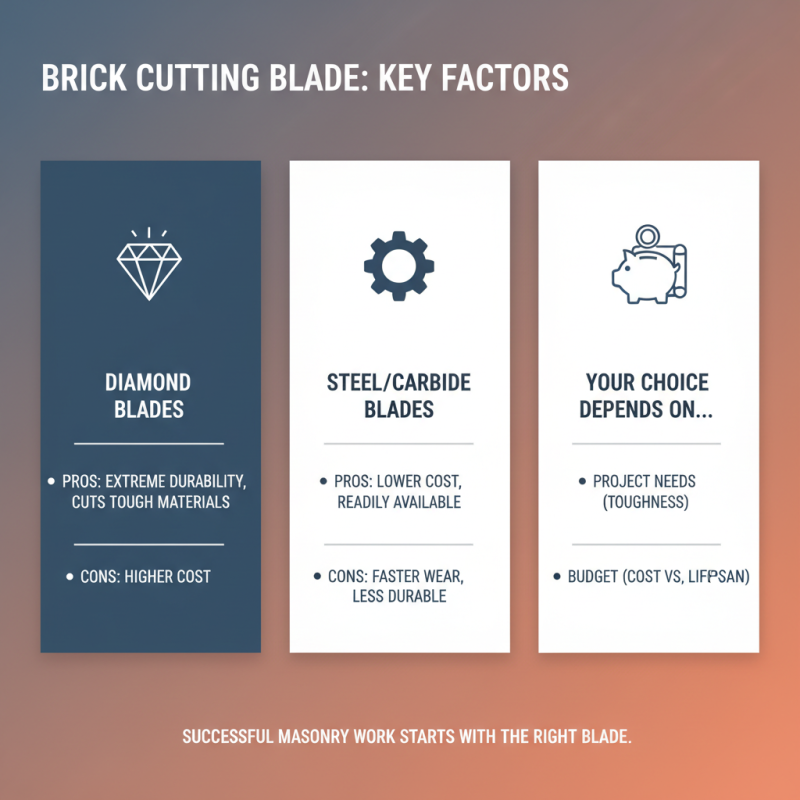
Choosing the right brick cutting blade is crucial for successful masonry work. One key factor is the blade material. Diamonds are popular due to their durability. They can cut through tough materials, but they can be expensive. Steel or carbide blades are cheaper but may wear out quickly. Your budget and project needs will guide this choice.
Another important factor is the blade size. A larger blade can cut through thicker bricks. However, it requires a more powerful saw. Selecting the right size ensures efficiency. You also need to consider the type of cuts. For instance, wet cutting reduces dust but requires water supply. Dry cutting is cleaner but creates more dust. The cutting environment may influence your decision.
Lastly, think about the tooth configuration. More teeth provide smoother cuts. Fewer teeth are good for quicker, rough cuts. Each project is unique, and it’s okay to experiment. Don’t hesitate to adjust your choice based on results. Sometimes, the best lessons come from trial and error.
Comparing Blade Materials: Diamond vs. Carbide Options for Brick Cutting
When tackling a brick cutting project, choosing the right blade is crucial. Two main materials often come into play: diamond and carbide. Each option has its benefits and drawbacks, making the decision a bit challenging. Diamond blades are highly efficient. They cut through brick quickly and smoothly. They excel in durability and provide a longer lifespan than carbide blades. However, they can be a bit more expensive.
On the other hand, carbide blades offer good performance for various tasks. These blades are typically more economical. They can effectively handle softer bricks but might struggle with denser materials. Their lifespan is shorter, but they can still be a solid choice for occasional use. Choosing the right blade also depends on the specific type of brick you plan to cut. Factors like hardness and thickness play a role.
Sometimes, users might find themselves frustrated when the chosen blade doesn’t perform as expected. It’s important to evaluate your project needs carefully. Reflect on the materials you’ll be working with, and don’t hesitate to experiment. You might discover a blend of performance and cost that suits your unique requirements best. A careful assessment will lead you to a decision that enhances your project’s success.
Comparison of Blade Materials for Brick Cutting
Sizing Your Brick Cutting Blade: What You Need to Know
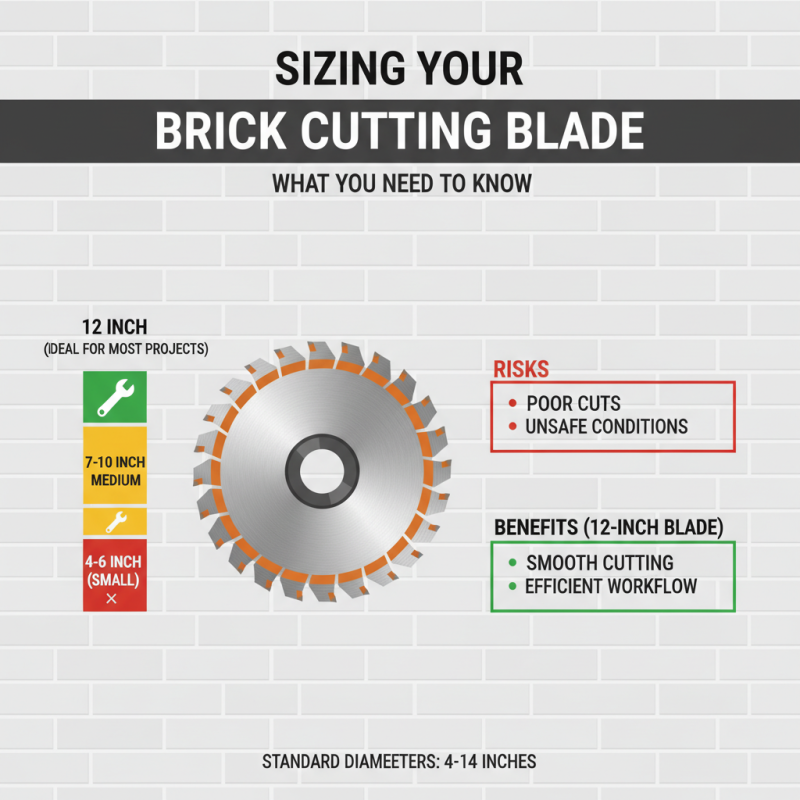
When selecting a brick cutting blade, sizing is crucial. A blade that is too large or too small can lead to poor cuts or unsafe conditions. Most blades come in standard diameters, typically ranging from 4 to 14 inches. Industry reports indicate that a 12-inch blade is ideal for most masonry projects, allowing for smooth and efficient cutting.
Consider the thickness of the brick. Thinner bricks, about 1 inch thick, require blades with a thinner edge. A 1/16 inch segment blade works well for this purpose. For thicker materials, like 2-inch bricks, using a thicker diamond blade is advisable. This ensures durability and better cutting performance.
**Tips:** Always check the specifications of your blade. Ensure that it matches the type of brick you are working with. Remember, not all blades are created equal. Sometimes, using an incorrect blade can lead to uneven cuts or even damage to the material. Take your time to choose wisely. Even seasoned professionals can overlook the details, so never rush this process.
Industry Recommendations: Top Brands for High-Performance Brick Blades
When selecting a brick cutting blade, the brand plays a crucial role in performance. Numerous industry reports indicate that high-quality blades can improve cutting speed and reduce wear. A study by the Construction Tools Association found that using premium blades can increase efficiency by as much as 30%. This is vital for large projects where time is money.
Top-rated manufacturers are known for their robust designs. They often utilize advanced materials such as diamond segments for durability. This construction helps achieve smoother cuts and extends blade life. According to market analysis, over 60% of professional contractors opt for blades that feature advanced technology. They recognize that a small difference in quality can significantly impact results.
However, not every blade performs equally under different conditions. Some blades may work better on specific types of brick or masonry. Data from performance tests show variations in longevity and cutting precision depending on the application. Be mindful of this aspect when making a choice. It’s essential to consider usage scenarios and material compatibility. The right selection can enhance your project’s quality and efficiency immensely, but mistakes can lead to frustrating outcomes.