2026 How to Choose the Best Drum Sander for Your Needs?
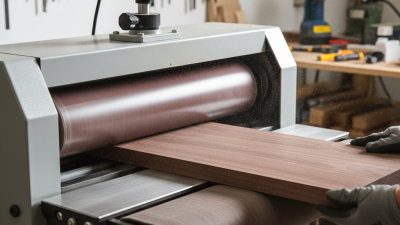
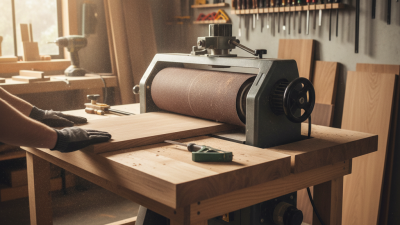
Choosing the right drum sander can dramatically impact your woodworking projects. A drum sander is essential for achieving a smooth finish on various surfaces. However, with numerous options available, selecting the best one for your needs requires careful consideration.
When evaluating drum sanders, consider your specific projects. Do you work on large surfaces, or do you need precision for smaller tasks? Assess the sander’s motor power and speed settings, which influence the quality of the finish. Weight and portability are also crucial factors. A heavier unit may offer stability, but a lighter sander can be easier to maneuver.
While some drum sanders are user-friendly, others require more experience. Reflect on your skill level and be open to learning. There may be features that seem attractive but may not serve your actual needs. Take your time to research and read reviews to find options that align with your woodworking style. Your investment in a drum sander should ultimately enhance both your craft and enjoyment.
Understanding Drum Sanders: Types and Features Explained
When choosing a drum sander, it's crucial to understand the different types available. These sanders are mainly categorized into two groups: open-end and closed-end models. Open-end sanders are versatile, allowing you to work on wider stock sizes. Closed-end sanders, however, provide a more streamlined approach for smaller projects. Each type has its strengths and weaknesses. For instance, while open-end sanders can handle larger boards, they might require more setup time.
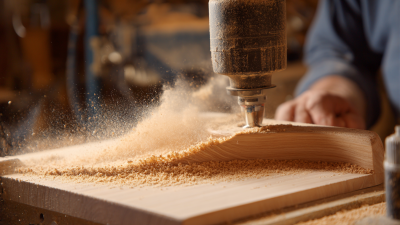
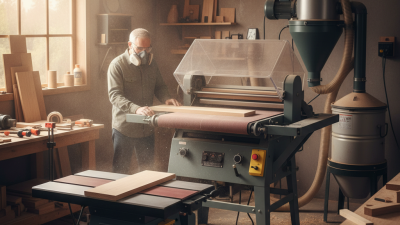
Features of drum sanders can vary greatly. Look for adjustable height settings, which aid in achieving even sanding on uneven surfaces. Dust collection features are also essential. A good dust collection system keeps your workspace clean and healthy. Some users overlook this, thinking it’s a minor detail, but it significantly impacts the overall experience.
Power and speed settings are other vital aspects to consider. A sander with variable speed can cater to various materials and finishes. However, more powerful models may come with a higher learning curve. This can be frustrating for beginners. Assess your skill level and project requirements before committing to a model. Ultimately, the best drum sander aligns with your specific needs and skill set.
Assessing Your Sanding Needs: Specific Applications for Drum Sanders
When choosing a drum sander, it's crucial to assess your specific sanding needs. Different applications demand different features. For instance, if you plan to sand hardwood floors, you'll need a more robust model. A heavy-duty sander provides the necessary power and efficiency for larger jobs. In contrast, lighter models work well for smaller, detailed tasks.
Consider the grit sizes you'll use. Coarser grits remove material quickly, while finer grits refine the finish. If your project includes delicate surfaces, opt for a sander with variable speed settings. This flexibility allows better control over the sanding process. It's essential to think about dust collection systems too. Effective dust management keeps your workspace clean and improves air quality.
Don't forget to evaluate your workspace. Some drum sanders require more room to operate. If you have limited space, a more compact model might be ideal. Each sander has its pros and cons. Reflecting on your current and future projects can aid in making the right choice. Balancing power, size, and functionality is vital for achieving the best results.
2026 How to Choose the Best Drum Sander for Your Needs? - Assessing Your Sanding Needs: Specific Applications for Drum Sanders
| Application |
Recommended Grit Size |
Drum Sander Type |
Material Compatibility |
Ideal Features |
| Woodworking |
80-120 |
Standard Drum Sander |
Hardwood, Softwood |
Variable Speed Control, Dust Collection |
| Metal Finishing |
120-180 |
Heavy-Duty Drum Sander |
Aluminum, Steel |
High RPM, Cooling Mechanism |
| Composites |
100-150 |
Portable Drum Sander |
Fiberglass, Plastic |
Lightweight Design, Easy Setup |
| Floor Refinishing |
36-60 |
Floor Drum Sander |
Hardwood Floors |
Large Drum Size, Easy Maneuverability |
Key Specifications to Consider When Choosing a Drum Sander
When selecting a drum sander, understanding key specifications is essential. The motor power significantly influences sanding efficiency and performance. A robust motor can handle tough materials and deliver a smoother finish. Look for motors rated between 1.5 to 5 horsepower. This range is effective for various projects.
Belt width is another critical factor. Wider belts can cover more surface area faster. They also tend to create fewer drum marks. If your projects involve large boards, consider a sander with at least an 18-inch belt. Meanwhile, the drum size should match your intended use. A larger drum can provide more material removal in fewer passes.
Dust collection capabilities cannot be overlooked. An efficient dust port helps keep your workspace clean. This feature ensures a healthier environment while sanding. A strong dust collection system can save time in cleanup. Review feedback from other users to understand real-world performance. Not every sander will work perfectly for every user. Each individual's requirements may vary, requiring thoughtful consideration.
Evaluating Brand Reputation and User Reviews for Drum Sanders
When selecting a drum sander, evaluating brand reputation and user reviews is crucial. Many tools, including drum sanders, can perform similarly. Yet, the experience of others can guide your choice. It is essential to read user reviews across various platforms. Look for trends in feedback. Some users may praise a sander's efficiency while others may highlight issues like durability.
Don't be swayed by marketing alone. A brand’s reputation is built on real-world performance. Take note of consistent complaints. For instance, issues like dust collection and vibration are recurring themes in user reviews. This can signal potential problems.
Consider the expert opinions as well. Professional woodworkers often share insights on their preferred tools. Their expertise adds value to user experiences. Look for reviews that detail specific use cases, not just general praise. Details matter, and they can reveal strengths or weaknesses you might not anticipate. Reflect on the balance between price and quality based on these perspectives before making your decision.
Budgeting for Your Drum Sander: Cost vs. Value Considerations
When choosing a drum sander, budgeting is crucial. Consider the initial cost against the long-term value. A more affordable model may save you money upfront. However, it may lack essential features that enhance performance and durability. Investing in quality often leads to better results in the workshop.
Think about the type of projects you'll tackle. If you sand frequently, opt for a robust, higher-priced sander. It can withstand regular use without serious wear. For occasional users, a budget model suffices. Yet, be cautious—some are prone to breakdowns. These unexpected costs can balloon over time.
Evaluate maintenance costs too. Some drum sanders require more upkeep, impacting your overall budget. Consumables like sandpaper can add up. Buy in bulk to save, but ensure quality materials. Reflect on your needs and weigh these factors. It helps in making a sound decision.