FREE SHIPPING ON ALL BUSHNELL PRODUCTS

Leave Your Message

How to Choose the Best Brickwork Drill Bit in 2026?

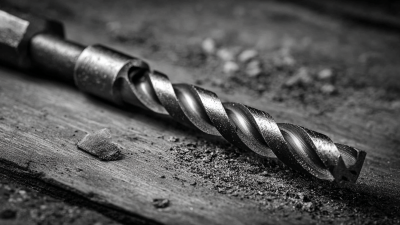
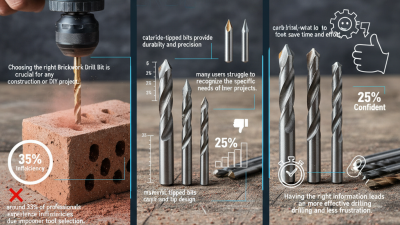
Choosing the right Brickwork Drill Bit in 2026 is more than comparing package labels. Brick, block, and mortar can look similar, yet each material responds differently under pressure. A bit that performs well on soft red brick may struggle against dense engineering brick. The wrong choice can cause slow drilling, chipped edges, overheating, or unnecessary wall damage.

This guide examines the details that matter in real projects. It considers carbide tip quality, flute design, diameter, shank compatibility, drilling speed, and expected workload. A small 6 mm bit may suit wall plugs and lightweight fixtures. Larger sizes need better alignment and stronger equipment. Cordless drills also require careful selection because battery power does not always equal impact performance.

Experience matters here. Many users focus on size but overlook the drill’s operating mode. That mistake is common. Masonry bits generally need impact action, while some delicate surfaces may require slower, controlled drilling. Dust removal also affects accuracy and bit life. Marking the hole, using steady pressure, and clearing debris can make a noticeable difference.

No single Brickwork Drill Bit is perfect for every wall. Material hardness, project frequency, and tool compatibility should guide the decision. Product claims can be useful, but practical testing remains important. Even respected brands can disappoint in specific conditions. This 2026 guide aims to provide reliable, evidence-based guidance, while recognizing that real brickwork is rarely as predictable as a product description suggests.
How to Choose the Best Brickwork Drill Bit in 2026?

Understanding Brickwork Drill Bit Types and Their Uses

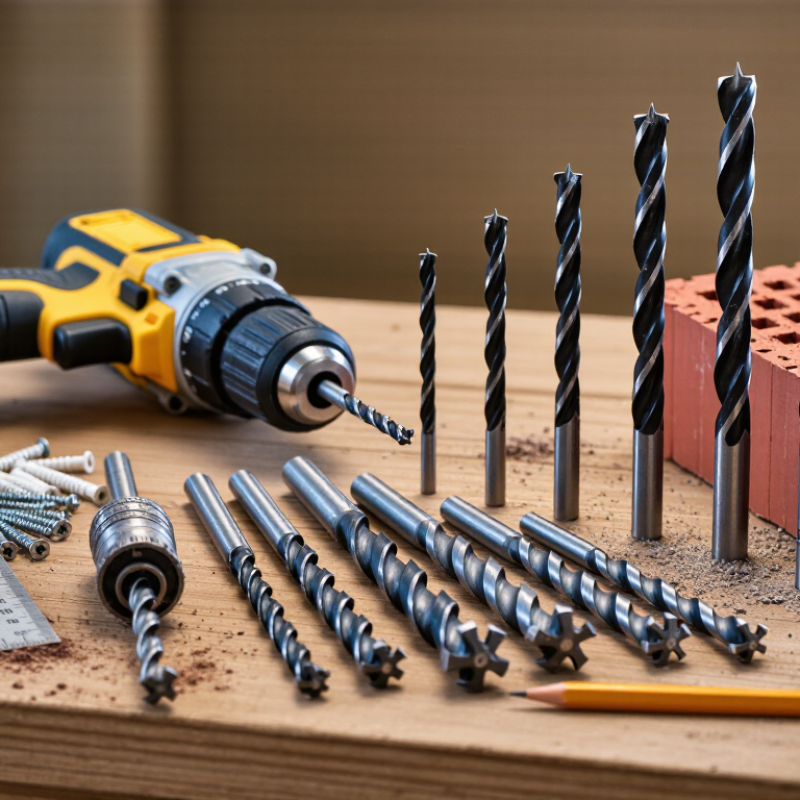
Choosing a brickwork drill bit in 2026 starts with the material, not the tool. Standard carbide-tipped masonry bits suit clay brick, mortar joints, and light blockwork. Their blunt cutting edges crush mineral surfaces effectively. Use them with rotary action for small wall plugs.

For dense engineering brick or concrete block, SDS hammer bits provide deeper flutes and stronger impact transfer. They remove dust faster, but can chip fragile brick faces.

Diamond core bits are different. They cut clean, circular openings for pipes, vents, and electrical boxes. They cost more and usually need controlled pressure.

Multi-material bits offer convenience, yet they can be slower in hard masonry.

Dust control matters as much as drilling speed. OSHA’s Respirable Crystalline Silica Standard limits exposure to 50 micrograms per cubic metre over eight hours, with a 25-microgram action level.

NIOSH also recommends exposure reduction through wet methods, local extraction, and suitable respiratory protection.

Choose a bit with efficient dust channels, then pause before overheating it. I still see users forcing a worn carbide tip through brick. That usually creates heat, vibration, and an oversized hole.

My practical check is simple: test one hidden spot first. A softer mortar joint may need less force, while dense brick demands slower pressure and steady alignment. No specification replaces that small test.
Matching Bit Materials to Brick, Block, and Masonry Surfaces

How to Choose the Best Brickwork Drill Bit in 2026?

Matching the bit material to the masonry surface prevents cracked edges, overheating, and wasted effort. For ordinary red brick, choose a carbide-tipped masonry bit. Its cutting tip handles fired clay without demanding extreme pressure. Start slowly, then increase speed when the hole remains clean.

Concrete blocks are softer but can contain hard aggregate. A reinforced carbide tip usually works well for small anchor holes. Dense engineering brick needs more patience. Use a stronger carbide design, reduce pressure, and let the bit cool between holes. For large openings in very hard masonry, diamond-coated core bits produce cleaner cuts. They also cost more and remove material slowly. A perfect chart does not exist.

Tips: Tap the surface first. A dull sound may indicate a hollow block. Test one hidden hole before drilling visible areas. Use hammer action only when the bit manufacturer allows it. Keep the drill aligned, because a tilted bit can enlarge the entry point and loosen an anchor. Clear dust every few seconds with a hand pump or gentle extraction. I have sometimes blamed the bit for poor results, when excessive pressure caused the heat. That mistake is easy to repeat. Check the bit after each hole: rounded carbide edges, blue discoloration, or a wandering tip signal replacement.

Choosing the Correct Drill Bit Size, Shank, and Design

How to Choose the Best Brickwork Drill Bit in 2026?

Choosing the Correct Drill Bit Size, Shank, and Design

A brickwork drill bit should match the anchor, wall material, and drilling method. Measure the anchor’s required hole size, not the screw’s diameter. A 6 mm anchor usually needs a 6 mm masonry bit, but always check its instructions. Brick can vary from soft, crumbly surfaces to dense, fired sections. Test gently first.

In my workshop, I use a smaller pilot hole when the brick face feels fragile. It reduces surface chipping around the entry point. For larger holes, increase the size gradually. This takes longer, but it gives better control. I once used a full-size bit too quickly and damaged the mortar edge. That mistake still influences my choices.

The shank must fit your drill chuck securely. Round shanks suit standard chucks, while slotted shanks need compatible hammer-drill holders. A poor fit can cause slipping, vibration, and uneven holes.

Choose a carbide-tipped design for ordinary brickwork. A sharper tip helps alignment, while a wider flute clears dust more efficiently. Use hammer action only when the wall and bit allow it. Soft brick may crumble under heavy impact. Stop occasionally, remove dust, and check the hole depth with the anchor beside the bit. Depth markings are useful, but they are not always perfectly accurate.

Comparing Performance, Durability, and Compatibility Features

How to Choose the Best Brickwork Drill Bit in 2026?

Performance depends on the brick, drill, and hole size. A carbide-tipped bit usually cuts fired brick efficiently and clears dust through wide flutes. For a clean wall plug hole, I mark the center and begin at low speed. This reduces wandering. Fit matters.

Hard engineering brick needs a sharper, stronger tip than soft reclaimed brick. A hammer setting can speed drilling, but it may damage fragile or old masonry. I often start in rotary mode, then add light hammer action. Keep the pressure steady. Let the bit work.

Durability comes from tip quality, brazing, flute design, and heat control. A bit that turns blue after one hole has likely overheated. I pause during deep drilling and withdraw the bit to release dust. This small habit protects the cutting edge. Do not force it.

Compatibility includes more than diameter. Check the shank shape, chuck capacity, working length, and your drill’s impact rating. A smooth round shank suits many standard chucks, while slotted shanks require matching systems. The wrong fit can cause slipping or vibration. I have chosen bits by diameter alone before, and that was a poor decision.

Reliable selection also means checking the required depth and the wall’s condition. Mortar joints behave differently from dense brick. Avoid drilling directly over cracked areas when possible. Measure twice. Test on a hidden section if the surface is valuable. Performance claims are useful, but real masonry often disagrees.

Checking Safety, Maintenance, and Value Before Buying

Choosing the best brickwork drill bit in 2026 starts with safety, not speed. A suitable masonry bit should match the brick type, drill power, and hole size. Hard engineering bricks need a tougher carbide tip than soft, older brickwork. Check the shaft carefully. It must fit the chuck firmly and stay straight during use.

I once used excessive pressure on a worn bit. The tip overheated, and the hole became rough. That mistake reminded me that faster drilling is not always better. Wear eye protection, keep both hands steady, and avoid hidden cables or pipes. Let the bit cut gradually. Stop if unusual vibration or cracking appears.

Tips: Choose a bit with clear size markings and a reinforced tip. Clean dust from the flutes after each hole. Let the bit cool naturally; sudden water cooling may damage it. Store it dry and separate from loose tools. Check for chipped carbide before every job. A small defect can become a safety problem. For value, compare expected service life rather than the lowest price. Buying a large mixed set may seem economical, but unused sizes add cost. I still sometimes buy more than needed, so measuring the project first is a useful discipline.