Top 10 Brick Masonry Drill Bit Features Buyers Should Know?
In the construction and masonry industry, the Brick Masonry Drill Bit plays a crucial role. According to a report from the Construction Industry Research Board, over 30% of construction projects rely heavily on effective masonry tools. This emphasizes the need for quality drill bits tailored to brickwork.
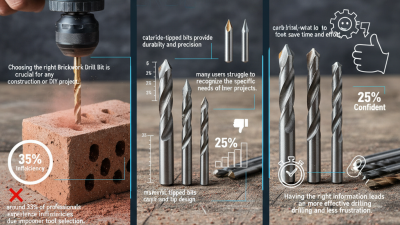
Choosing the right Brick Masonry Drill Bit can significantly affect project outcomes. Common features to consider include material composition, diameter accuracy, and durability. Statistics show that high-quality drill bits can improve drilling efficiency by up to 25%, reducing project timelines. However, not every buyer understands what to prioritize, leading to potential setbacks. Without proper guidance, selecting a durable, efficient drill bit can become challenging.
Understanding these features can save time and resources in the long run. A clear focus on quality remains vital. The right Brick Masonry Drill Bit not only ensures better results but enhances overall safety. As the industry evolves, staying informed about product advancements is crucial for both professionals and DIY enthusiasts alike.

Essential Materials Used in Brick Masonry Drill Bits
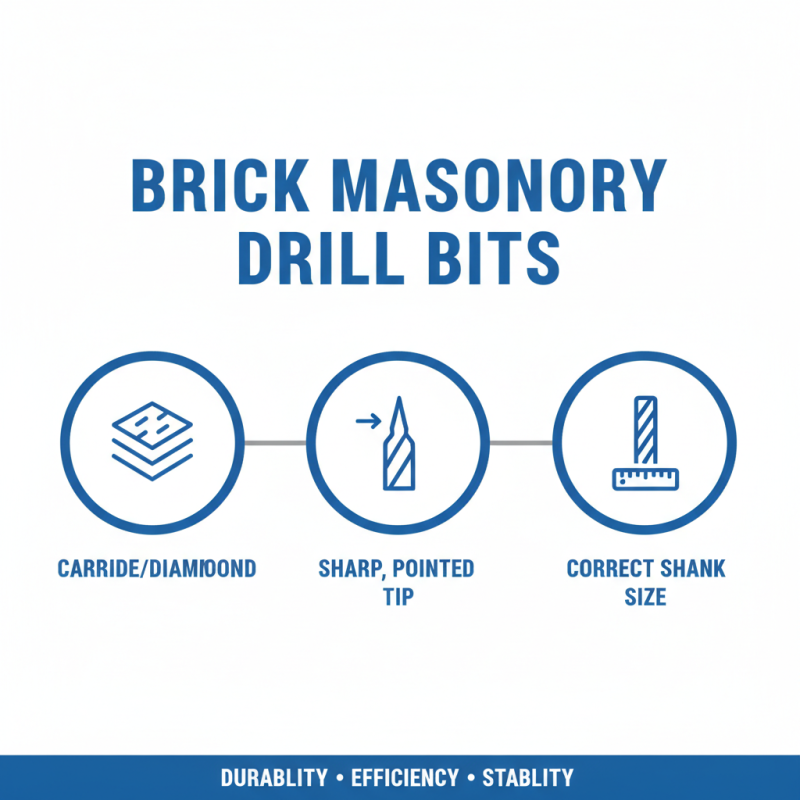
When selecting brick masonry drill bits, understanding the materials is crucial. The drill bits often feature a carbide tip. This material ensures durability. Carbide is hard and can withstand high temperatures. This toughness is essential for drilling into dense brick.
Additionally, the body of the drill bit is typically made from high-speed steel. This material maintains rigidity even under stress. High-speed steel also resists wear, making it a reliable choice. Some drill bits may have a titanium coating. This coating enhances the bit's lifespan and reduces friction during use.
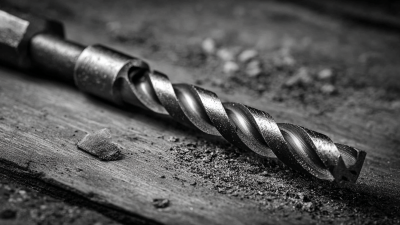
It's essential to consider the bit's design. Many drill bits have a spiral flute to help remove debris. This design is effective in maintaining drilling efficiency. However, not all designs suit every project. Some users may find certain bits challenging to handle. Experimenting with different types may help find the right fit for specific tasks.
Types of Drill Bits Suitable for Brick Masonry Projects
When embarking on brick masonry projects, selecting the right drill bit is crucial. Various types of drill bits serve different purposes and materials. For brick, carbide-tipped and masonry bits are common choices. These bits are designed to withstand the hardness of brick while ensuring precise drilling. They often have a special tip that aids in penetrating tough surfaces with ease.
The design of drill bits can vary significantly. Some have a twist that helps with debris removal, while others come with a flat end for creating flush holes. Understanding these differences can impact the outcome of your project. The right choice can mean the difference between a clean, successful job and potential frustration.
Be conscious of the drill bit size as well. A bit that is too small might slow you down, while one that's too large could cause damage to the brick. This can lead to cracks and unwanted repairs. Always consider the masonry's thickness before making a purchase. It's essential to experiment with various sizes and styles to find what works best for your specific project needs.
Understanding Drill Bit Sizes and Their Impact on Performance
When selecting masonry drill bits, understanding their sizes is crucial. The size impacts performance significantly. Larger bits tend to create wider holes, which can be necessary for heavy-duty tasks. However, they may overheat or cause faster wear. Smaller bits are ideal for precision work but may struggle in tougher materials. Balancing size and application is key.
Tip: Always check the material of your wall before choosing a bit size. Some surfaces require specific sizes to minimize damage. For instance, soft brick can often accommodate larger bits, while harder materials may need smaller, specialized ones.
Material matters too. High-speed steel offers longevity, but carbide tips perform well in tougher tasks. The drill bit's design impacts not just size but also efficiency. A wrong choice can lead to complications, such as drill bit breakage or poor hole quality. Evaluate the performance of your chosen size regularly to ensure it meets your needs.
Tip: Maintain your drill bits properly. Dull bits can lead to unnecessary wear on both the tool and the material. Regular sharpening can extend their life. Make informed choices to enhance your drilling experience.
Top 10 Brick Masonry Drill Bit Features Buyers Should Know
Maintenance Tips to Extend the Life of Brick Masonry Drill Bits
Maintaining brick masonry drill bits is essential for optimal performance and longevity. Regular maintenance prevents premature wear, ensuring these tools remain effective. Here are some practical tips to help extend their life.
Keep your drill bits clean. After each use, remove debris and dust. Use a soft brush or cloth to wipe down the bits. This simple action can prevent build-up and enhance performance. Store them in a dry place to avoid rusting. A moisture-free environment is crucial for preserving sharpness.
Sharpening is another key maintenance step. Dull bits can lead to frustration and inefficiency. Invest in a sharpening tool designed for masonry bits. Follow the manufacturer's guidelines for proper sharpening angles. This attention to detail can make a significant difference in performance.
Also, use the correct speed and pressure when drilling. Applying too much force can damage the bits. Find the right balance for better results. Periodically check your drill bits for any signs of wear or damage. Addressing these issues quickly can help maintain their effectiveness for longer periods.