How to Choose the Best Wood Sanding Disc for a Grinder?
Choosing a Wood Sanding Disc For Grinder means balancing cutting speed, surface quality, and control. The right disc removes old finish without leaving deep scratches or burning the wood. The wrong one can leave swirl marks that show clearly under stain. Small details matter: a disc’s diameter, backing, abrasive material, and grit all affect how it behaves on a grinder.
Wood-finishing author Bob Flexner is a respected voice in surface preparation. A useful paraphrase of his finishing approach is: “Prepare the surface for the finish it must carry.” This is a paraphrase, not a verbatim quotation. It captures an important point: sanding is not just about removing material. It shapes how the final finish looks and feels.
This guide explains how to match disc grit to the job, compare common abrasive materials, and check disc compatibility with your grinder. It also covers practical handling, dust control, and ways to reduce visible scratch patterns. A coarse disc may level rough boards quickly, but it can leave marks that finer grits must remove. Too much pressure can make matters worse. Even experienced users miss this sometimes. Wood varies, and a disc that works well on pine may behave differently on dense hardwood. Test on a hidden area when possible, and inspect the surface in angled light before moving on. Small checks save rework. By understanding these choices, you can select a disc with more confidence and achieve a cleaner, more even result.
Understand the Types of Wood Sanding Discs
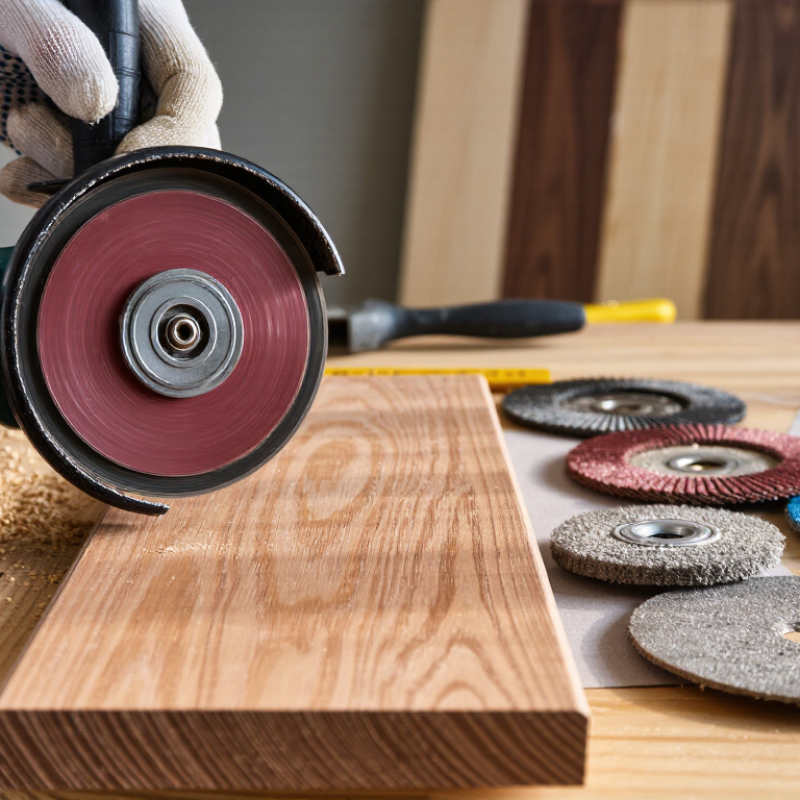
Wood sanding discs differ by abrasive grain, backing, and construction. Aluminum oxide is a versatile choice for everyday sanding; it cuts steadily on boards and plywood. Zirconia or ceramic grains are tougher and more aggressive, but can remove wood too quickly. I still catch myself choosing a coarse disc to save time. On soft pine, that shortcut can leave deep scratches.
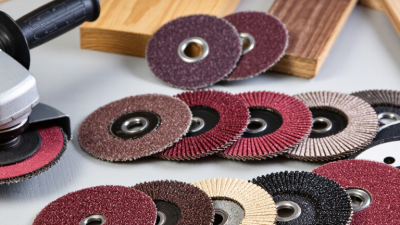
Disc construction matters just as much. Flap discs combine overlapping abrasive strips and suit fast shaping, though they can gouge edges if held at an angle. Resin-fiber discs need a compatible backing pad and offer firm contact for leveling rough areas. Hook-and-loop discs change quickly, while mesh discs allow more dust to pass through when paired with extraction. Check the disc’s size and rated speed against the grinder before use. Small details matter.
Grit numbers help narrow the choice. FEPA’s coated-abrasive grain-size standard, FEPA 43-2:2017, lists median particle sizes of about 201 micrometers for P80, 125 for P120, and 82 for P180. Larger grains cut faster and leave deeper marks. A practical sequence might move from P80 to P120, then P180, testing an offcut between steps. Feel the surface. Wood species and grain direction change the result, so the standard is a guide, not a promise.
Check Grinder Compatibility and Disc Size
Before buying a wood sanding disc, match its diameter to the grinder’s guard and backing pad. A 115 mm grinder needs a compatible 115 mm disc; a larger disc can expose more abrasive than the guard is designed to cover. Check the arbor hole, too. A common size is 22.23 mm, but it is not universal. The FEPA Safety Code for Bonded Abrasives stresses using abrasive products only within their marked operating limits. Read the disc label, not just the package front.
Speed matters just as much. Compare the disc’s maximum rated RPM with the grinder’s no-load RPM; the disc rating must meet or exceed the tool’s speed. For example, a disc marked 10,000 RPM is unsuitable for a grinder rated at 11,000 RPM. Small print can be hard to read. Check it under good light.
Also confirm the disc is intended for sanding wood and fits the grinder’s backing-pad system. A rigid grinding wheel is not a substitute for a flexible sanding disc. ANSI B7.1, a recognized abrasive-wheel safety standard, emphasizes proper mounting and compatible equipment. If the label is damaged or the fit feels loose, do not use it. I would still recheck the manual: compatibility tables can be easy to overlook.
Choose the Right Abrasive Material and Grit
For most wood sanding, aluminum oxide is a practical starting point. It cuts steadily and is widely suited to shaping and smoothing timber. Ceramic abrasive can last longer during demanding work, but it may remove wood quickly and feel harsh on soft pine. Match the disc to the job, not just its advertised durability. Check that its backing and maximum speed are suitable for your grinder. Small details matter.
Grit controls how much material the disc removes. Use 40–60 grit for heavy shaping or stubborn finish, then move to 80–120 grit to remove coarse scratches. A 150–220 grit disc can refine the surface before finishing. Don’t skip too far ahead. Fine grit may polish over deep scratches instead of removing them, leaving marks visible under stain. I still sometimes make that mistake on a rushed repair.
Let the abrasive do the work. Pressing hard can heat the wood, clog the disc, or create uneven hollows, especially near edges. Keep the grinder moving and test the grit on scrap from the same board. Grain direction and wood hardness change the result. Check often. Dust can hide scratches, so pause and wipe the surface before deciding whether to change grit. A little extra sanding is not always better.
How to Choose the Best Wood Sanding Disc for a Grinder? - Choose the Right Abrasive Material and Grit
| Abrasive Material |
Common Grit Range |
Best Woodworking Uses |
Main Advantages |
Limitations |
Good Choice When… |
| Aluminum oxide |
40–220 |
General-purpose sanding, removing old finishes, smoothing edges, and preparing many softwoods and hardwoods. |
Widely available, versatile, and typically cost-effective. It fractures during use to expose fresh cutting edges. |
Can load with resin or dust, especially on resinous wood or when sanding with excessive pressure. |
You need a practical disc for routine sanding and a range of woodworking tasks. |
| Zirconia alumina |
36–120 |
Fast stock removal, shaping, and sanding tougher hardwoods when used with a suitable backing pad or flap-disc format. |
Durable and suited to more demanding sanding than many general-purpose abrasives. |
Coarser grades can remove material quickly and leave deep scratches; use a lighter touch and progress to finer grits. |
You need faster material removal and can carefully control the grinder. |
| Ceramic alumina |
36–120 |
Heavy sanding and shaping where a robust abrasive disc is appropriate. |
Designed for demanding abrasion and can maintain cutting performance under suitable conditions. |
Often unnecessary for light finishing; aggressive sanding can scorch or gouge wood if the tool is held in one place. |
You are removing substantial material and have a compatible disc and backing system. |
| Silicon carbide |
80–220 and finer |
Fine sanding or finishing applications when the disc is specifically intended for the tool and workpiece. |
Sharp abrasive grains can produce a fine finish in suitable applications. |
It is generally more brittle than aluminum oxide and is less commonly chosen for aggressive dry wood sanding. |
The disc manufacturer specifies it for your sanding setup and you are working toward a finer finish. |
| Grit |
Typical Task |
Practical Guidance |
| 36–60 |
Rapid stock removal, rough shaping, or removing stubborn coatings. |
Use cautiously: these grits can leave deep scratches and remove wood quickly. |
| 80–120 |
General sanding and smoothing after coarse shaping. |
A useful working range for many projects; move through grits rather than skipping directly from very coarse to fine. |
| 150–220 |
Final sanding before many stains, paints, or clear finishes. |
Follow the finish manufacturer’s preparation guidance; some finishes call for a particular final grit. |
| 240 and finer |
Fine finishing or light sanding between finish coats where specified. |
Use light pressure. Very fine sanding may burnish some wood surfaces and affect stain absorption. |
Safety and compatibility: Use only a sanding disc and backing pad designed for the grinder, and confirm that the disc’s maximum rated speed is at least the grinder’s no-load speed. Never fit a sanding disc to a cutting or grinding setup unless the accessory instructions explicitly allow it. Wear eye, hearing, and respiratory protection; control dust; and keep the disc moving to reduce the risk of gouging or scorching the wood.
Match the Disc to the Wood and Sanding Task
How to Choose the Best Wood Sanding Disc for a Grinder?
Match the disc to both the wood and the job. Resinous pine can clog abrasive surfaces quickly, so an open-coat disc may stay cutting longer. Dense hardwoods such as maple often need a sharp abrasive and lighter passes to reduce heat and scorching. For shaping or removing uneven edges, a coarse 60- or 80-grit flap disc can work quickly. For smoothing, move to finer grits, such as 120 or 180. Test a scrap.
The USDA Forest Products Laboratory’s Wood Handbook explains that wood properties vary between species and even within a single tree. Grain, knots, and changing density can therefore affect how a disc cuts. Follow the grain where practical, keep the grinder moving, and avoid pressing hard into thin boards. A grinder can remove material fast. That is also the drawback. A small tilt may leave a hollow or gouge.
Choose a disc and backing pad rated for your grinder’s speed, and use dust extraction with suitable respiratory protection. NIOSH’s Pocket Guide to Chemical Hazards lists a recommended exposure limit for wood dust of 1 mg/m³ as an eight-hour time-weighted average. The right grit is not a perfect formula; check the surface often, because the same disc can behave differently across one board.
Compare Safety Features and Disc Durability
How to Choose the Best Wood Sanding Disc for a Grinder?
Safety should guide the choice before grit or price. Check that the disc is designed for your grinder and that its maximum rated speed meets or exceeds the tool’s speed. A mismatch can cause failure. That matters. Inspect the disc for tears, warped backing, or a damaged attachment surface, and replace it if anything looks uncertain. A quick visual check helps, but it cannot reveal every defect. Keep the grinder’s guard and side handle in place, secure the wood, and wear eye, hearing, and respiratory protection. Wood dust is easy to underestimate.
Durability depends on the abrasive, backing, and the work itself. Coated abrasives resist clogging better when sanding resinous wood, while a sturdy backing can tolerate routine pressure. Still, pressing harder is not a shortcut. It can overheat the wood, wear the disc faster, and leave dark marks along an edge. Let the tool do the work. Stop and inspect. If the disc loads with dust or loses its cut, clean or replace it rather than forcing it through the surface.
For a practical comparison, sand a small offcut and check the finish, heat, and wear after a short pass. A disc that lasts longer may leave a rougher surface, so durability alone is not the whole story. I would reconsider a choice if it produces burning or vibration, even when the abrasive still looks usable.