FREE SHIPPING ON ALL BUSHNELL PRODUCTS

Leave Your Message

What Are the Best Wood Sanding Discs for Grinders in 2026?

Choosing the best Wood Sanding Disc For Grinder in 2026 is not just a matter of picking the highest grit number. A disc that cuts quickly on rough oak may leave visible scratches on pine. On a grinder, backing strength, abrasive type, dust extraction, and speed rating also affect control and finish. Small details matter: the edge of a disc can catch a board, while a clogged surface can leave dark marks.

The USDA Forest Products Laboratory’s Wood Handbook, edited by Robert J. Ross, is a technical reference on wood properties, including how species and moisture influence machining and surface preparation. That context helps explain why no single disc suits every project. For product comparisons, this guide also considers manufacturer specifications and testable factors such as grit, attachment system, heat buildup, and wear. These sources do not establish a universal “best” disc; real results depend on the wood, grinder, and operator.

A note on attribution: no verifiable published quotation from a named wood-sanding-disc specialist was provided, so I will not invent one. That gap matters. This guide will instead distinguish documented specifications from practical observations, and flag where conclusions may vary. The right disc should remove material predictably, leave a surface ready for the next step, and stay manageable in your hands. Not every premium disc does that on every board.
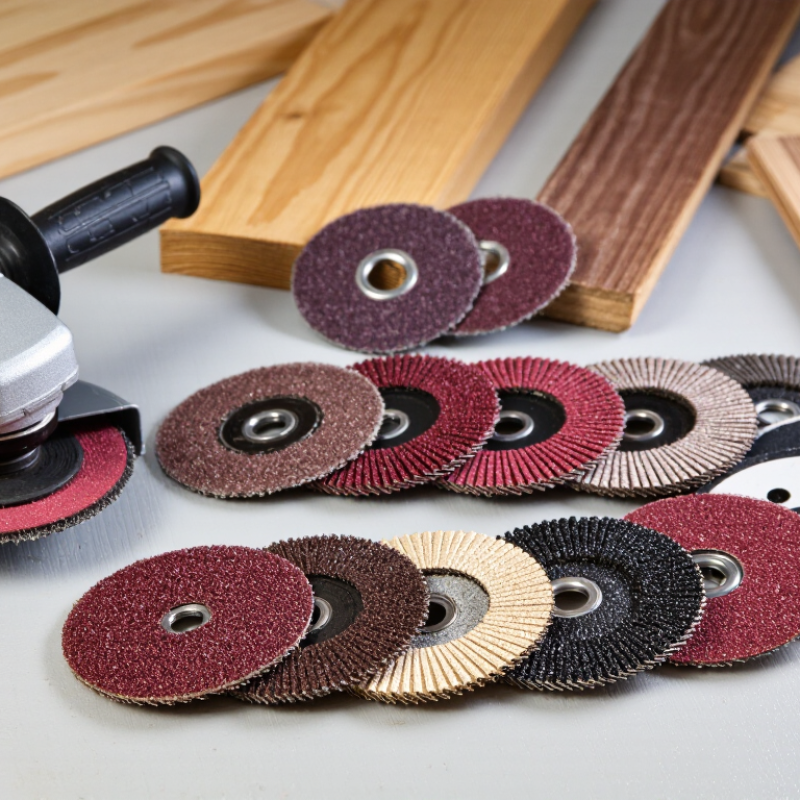
What Are the Best Wood Sanding Discs for Grinders in 2026?

What Wood Sanding Discs for Grinders Are and How They Work

Wood sanding discs for grinders are abrasive sheets attached to a backing pad, usually with a hook-and-loop or adhesive interface. As the grinder spins, grains cut small fibers from the surface; they do not simply polish it. Coarse grit removes finish and levels rough boards quickly, while finer grit reduces visible scratches. On a pine edge, for example, an overly coarse disc can leave grooves that show through stain. Use a compatible pad, keep the tool moving, and check its rated speed against the grinder’s speed. A disc is not automatically safe just because it fits.

The abrasive material and disc condition matter, too. Aluminum oxide is a common general-purpose grain; ceramic grains are often selected for faster stock removal. Dull or clogged discs generate heat, which can darken wood and soften some finishes. Dust is the less visible concern. NIOSH’s 1999 Wood Dust health hazard review recommends limiting occupational exposure to 1 mg/m³ as an eight-hour time-weighted average. That’s a meaningful benchmark. Connect dust extraction when possible, wear suitable respiratory protection, and avoid sanding in a closed, poorly ventilated room.

Choose the grit for the job, not just the label. A practical sequence might move from 80 grit to 120, then 180, with a quick surface check between stages. The jump may vary with the wood and the scratches left behind. I’d inspect the grain under angled light; it catches marks that look invisible head-on. And don’t press hard. More pressure can load the disc and make uneven patches, not a cleaner finish.

Which Abrasive Types and Disc Designs Suit Woodworking

For wood, abrasive grain and disc construction matter more than a “universal” label. Aluminum oxide is a practical choice for routine stock removal; it lasts reasonably well on many softwoods and hardwoods. Silicon carbide cuts sharply but fractures more readily, making it useful for finer finishing rather than prolonged, heavy grinding. Flap discs offer layered abrasive that wears back gradually, while flexible sanding discs follow curves and leave fewer flat spots. Choose only discs explicitly rated for wood and for your grinder’s speed. A disc that loads with resin can heat a board quickly.

Grit numbers help set expectations. FEPA Standard 42-1:2006 lists P80 grain sizes at 201–246 micrometres; that coarse range can leave scratches that show through stain. P120 or finer is usually a better starting point for finish preparation, followed by a lighter pass with the grain. Still, wood species and grain direction change the result. I find charts less tidy in practice. NIOSH’s Pocket Guide gives wood dust a recommended exposure limit of 1 mg/m³ as a time-weighted average. Use effective dust extraction, keep the workpiece secure, and test the disc on scrap first. A few seconds of testing can save a visible gouge.

How to Choose Disc Grit, Size, and Attachment for the Job

Choosing a sanding disc starts with the wood, not the tool’s maximum speed. Use 40–60 grit to remove rough saw marks or old finish, but it can leave deep scratches. For shaping and general smoothing, 80–120 grit is easier to control. Move to 150–220 grit for a finer surface before painting or sealing. Very fine paper may burnish some woods rather than improve them. Test a small, hidden area first.

Match the disc diameter to a compatible backing pad and grinder. A larger disc is not automatically better; it can reduce control near edges. Check that both the pad and disc are rated for the grinder’s operating speed. Hook-and-loop discs are quick to change, while adhesive-backed discs need a clean, matching pad. Never fit a sanding disc directly unless its design allows it. Small details matter. Keep the pad flat, use light pressure, and keep it moving to avoid gouges and heat marks. Wear eye and hearing protection, and manage fine wood dust. One easy mistake is jumping straight to coarse grit. It saves a minute, sometimes, then adds several more.

How Grinder Compatibility and Wood Type Affect Disc Performance

What Are the Best Wood Sanding Discs for Grinders in 2026?

A sanding disc works well only when it matches the grinder’s diameter, mounting system, and rated speed. Check the tool manual and disc label before fitting one. A disc that runs too fast can overheat, shed abrasive, or damage the workpiece. Keep the guard installed, and choose a wood-rated disc rather than assuming every grinding disc suits timber. Small details matter.

Wood type changes how quickly a disc cuts and clogs. Pine and other resin-rich softwoods can load an abrasive with sticky dust, so a coarser grit and frequent cleaning may help. Dense hardwood usually needs steady pressure and gradual grit changes to avoid scratches. For edges and curves, a flexible backing can feel easier to control than a rigid disc. Results vary with grain and moisture. I’ve found that rushing a test patch often means more sanding later.

Tips: Start on scrap from the same board, and use light passes. Move the grinder continuously; lingering can leave dips or scorch marks. Wear eye, hearing, and dust protection, and connect dust extraction when compatible. Not always perfect. If the tool feels difficult to control, stop and use a sander designed for the task.

How to Compare the Best Wood Sanding Discs for 2026

Comparing wood sanding discs means matching grit, abrasive material, backing, and dust-hole layout to the job. FEPA P-grit sizes follow the ISO 6344 grading system, but labels from different grading systems are not automatically equivalent. Check the stated standard before comparing numbers. For rough stock removal, a coarser grit can cut quickly; for finish preparation, step through finer grits and inspect the surface under raking light. Deep scratches are easy to miss.

Abrasive choice matters, too. Aluminum oxide is a common general-purpose option, while ceramic grains are often selected for heavier stock removal. These are tendencies, not guarantees: grain quality, bond, and pressure also affect cutting life. Compare discs on the same wood species, with the same grinder speed and light, even pressure. Note how quickly each cuts, whether it clogs with resin, and whether the edge wears unevenly. Small test patches help. They are not perfect, but they beat guessing.

Backing and extraction deserve equal attention. Hook-and-loop discs change quickly; adhesive-backed discs can feel steadier, though alignment takes care. Match the hole pattern to the grinder’s pad and vacuum system. NIOSH’s Pocket Guide to Chemical Hazards lists a recommended exposure limit for wood dust of 1 mg/m³ as an eight-hour time-weighted average. That figure is occupational guidance, not a promise of safe exposure in every setup. A well-fitted dust shroud and effective extraction matter more than holes alone.

What Are the Best Wood Sanding Discs for Grinders in 2026? – How to Compare the Best Wood Sanding Discs for 2026

The right disc depends on the grinder, the sanding task, and the finish required. Compare abrasive type, grit, attachment, and compatibility before choosing. The options below describe common disc types rather than specific products.

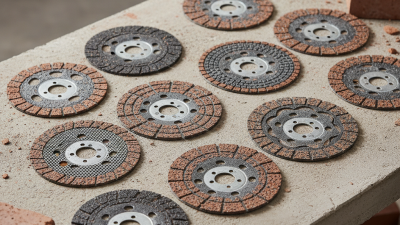
Disc Type Abrasive / Construction Best-Suited Woodworking Tasks Common Grits Advantages Things to Check
Hook-and-loop sanding disc Usually aluminum oxide on a flexible paper or film backing General sanding, smoothing, and staged finishing on flat or gently curved surfaces Typically 40–400, depending on the disc range Quick grit changes; widely available in common grinder-compatible sizes Requires a matching hook-and-loop backing pad. Confirm the disc diameter, center hole, and maximum RPM are suitable for the tool and pad.
Resin-fiber sanding disc Abrasive grain bonded to a stiff fiber backing Fast stock removal and shaping on sturdy wood surfaces Commonly 24–120 Durable construction and efficient material removal with a compatible backing pad Use only with the correct backing pad and guard. Coarse grits can remove wood quickly and leave deep scratches.
Flap sanding disc Overlapping abrasive-coated cloth flaps, commonly aluminum oxide or zirconia alumina Shaping edges, smoothing rough surfaces, and blending transitions Often 40–120 Conforms better than a rigid disc to some contours; exposed abrasive refreshes as flaps wear Choose a grit and disc profile suited to the surface. Use light, controlled pressure to reduce gouging and heat buildup.
Coated-abrasive disc with PSA backing Paper or film abrasive with pressure-sensitive adhesive Light sanding and finishing where a flat, smooth sanding face is useful Commonly 80–400 Simple attachment to a compatible smooth-faced pad Not interchangeable with hook-and-loop discs. Check pad compatibility and make sure the disc is rated for the grinder’s operating speed.
Aluminum oxide abrasive disc Aluminum oxide grain on a paper, cloth, or fiber backing Everyday sanding of many hardwoods and softwoods Available across coarse, medium, and fine grits A versatile, commonly used abrasive for general-purpose wood sanding Performance depends on the backing and disc design as well as the grain. Select the grit for the task, not just the abrasive name.
Zirconia alumina abrasive disc Tough abrasive grain, commonly used on cloth-backed flap or fiber discs More demanding shaping and stock removal when the disc is designed for the application Often available in coarse-to-medium grits Designed for durability in demanding sanding applications Some discs are intended primarily for metalwork. Check the manufacturer’s stated material suitability before using one on wood.

Selection and safety: Choose a disc explicitly suitable for wood and for the grinder’s attachment system. A 4.5-inch (115 mm) disc is a common angle-grinder size, but it is not universal. Never exceed the disc’s marked maximum RPM or the rating of the backing pad, and use the required guard, eye protection, and suitable dust protection. Avoid excessive pressure, which can cause gouging, heat, or loss of control.