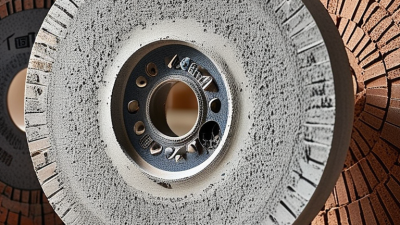
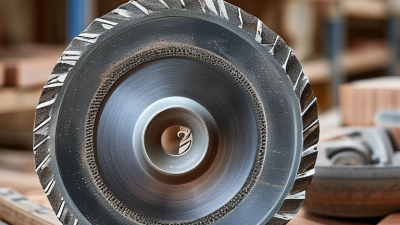
Choosing a Brick Grinding Disc is not a small purchasing detail. The wrong disc can leave chipped edges, uneven joints, and a tired operator. The right choice depends on brick hardness, grinder speed, disc diameter, and the finish required. A clean cut matters. So does dust control.
The National Institute for Occupational Safety and Health (NIOSH) identifies respirable crystalline silica as a serious hazard during work with materials such as brick and mortar. OSHA’s silica standard sets a permissible exposure limit of 50 micrograms per cubic meter of air, averaged over eight hours. These figures do not select a disc, but they underline why grinding performance, dust extraction, and suitable protective measures belong in the same decision. A disc that cuts smoothly may reduce rework, though it cannot replace proper controls.
This guide compares common disc types, abrasive materials, and practical selection criteria for 2026 projects. Diamond discs often suit demanding masonry work, while abrasive options may fit lighter tasks or tighter budgets. Yet labels alone are not enough. Check the manufacturer’s rated speed, confirm compatibility with the grinder, and match the disc to the brick and cut. Test on an offcut when possible. That small step can reveal roughness before it marks a visible wall. Product descriptions can sound more certain than real jobsite results, and this guide keeps that limitation in view.
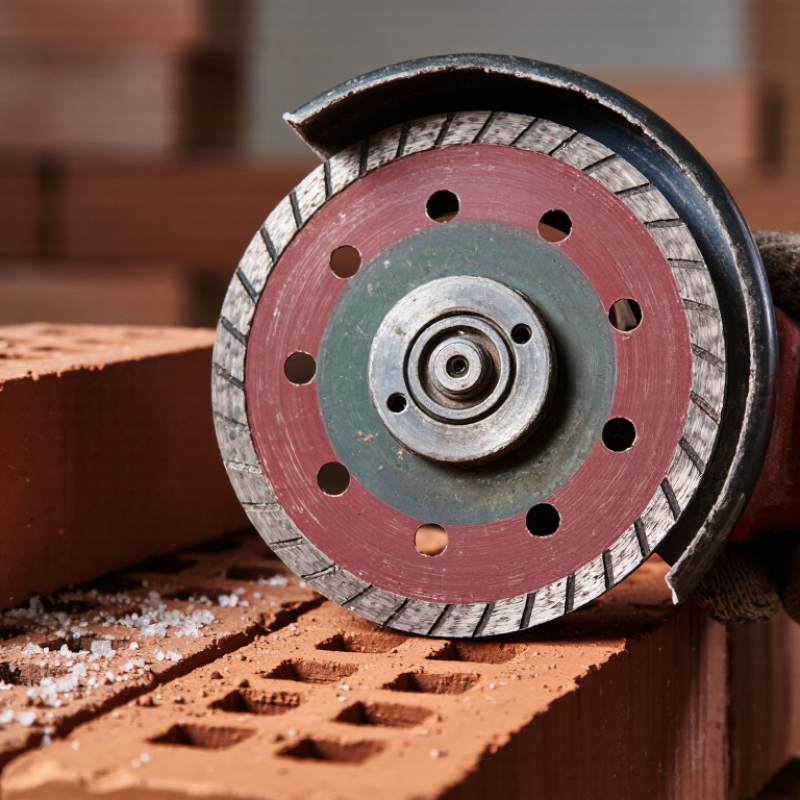
A brick grinding disc is an abrasive wheel made to remove or shape masonry. It fits an angle grinder and works as the wheel’s rough edge meets the brick. The motor spins the disc, while abrasive grains scrape away small particles. Different disc types suit different tasks, such as trimming a raised edge or smoothing a mortar joint. A disc for cutting may not be suitable for grinding.
The surface and abrasive determine how the disc behaves. Coarser grains remove material faster, but can leave deeper marks. Finer grains offer more control for light finishing. Pressure matters too. Push hard, and the disc may overheat, wear unevenly, or damage the brick’s face. Let the tool do the work. It can feel slower, but the result is often easier to control.
Match the disc’s diameter, arbor size, and rated speed to the grinder. Check its label and inspect it for cracks before use. Keep the guard fitted, hold the grinder firmly, and avoid twisting the wheel in the work. Brick dust can contain respirable silica, so use suitable dust control and respiratory protection. I still find disc choice easy to misjudge: brick hardness and surface condition can change how quickly a wheel cuts. A small test on a spare brick helps reveal the finish before you work on the visible edge.
A brick grinding disc is an abrasive or diamond-faced attachment used with a compatible angle grinder to remove material from brick and masonry. Disc diameter affects the tool’s reach and the rotational speed needed to maintain a given rim speed.
How to read the chart: Values are calculated from disc diameter at an illustrative rim-speed reference of 80 m/s and rounded to the nearest 100 RPM. They are not universal operating limits. Always follow the maximum RPM printed on the disc and the grinder, and use only a disc compatible with the tool and the material.
Brick grinding discs come in several forms, and each leaves a different surface. Segmented diamond cup wheels have open gaps between their cutting sections. Those gaps help clear dust and reduce heat during rough grinding. They suit removing mortar ridges or leveling uneven brick edges. They can feel aggressive, though, and may leave visible scratches.
Double-row diamond cups use two rings of segments. They often provide steadier contact and a more even finish than single-row cups. Turbo cup wheels have angled, closely spaced segments. They offer a useful middle ground for shaping brick and smoothing patches without grinding as roughly. For small touch-ups, silicon-carbide abrasive discs are another option. They wear faster than diamond tools, so check that the disc is rated for masonry and the grinder.
Match the disc to the task, not just the brick. A hard-fired paver may respond differently from a soft, older brick. Test a small, inconspicuous area first. Dust matters. Use a compatible guard and dust-control method, and wear eye, hearing, and respiratory protection. Check the disc’s diameter, arbor, and speed rating against the grinder before fitting it. I have found that “faster” is not always better; a coarse cup can remove material quickly, then leave more repair work than expected.
| Disc Type | Typical Construction | Best Suited For | Cutting or Grinding Behavior | Finish and Limitations | Key Selection Checks |
|---|---|---|---|---|---|
| Segmented diamond cup wheel | Diamond-bearing segments separated by open gaps and attached to a metal cup. | Fast stock removal, leveling uneven brick, removing mortar residue, and general masonry surface preparation. | Usually removes material quickly. The gaps help clear dust and reduce heat buildup during dry grinding. | Leaves a comparatively coarse surface and can be aggressive on softer brick. May chip edges if pressure or handling is uneven. | Check wheel diameter, arbor or thread fitting, grinder speed rating, segment design, and whether the wheel is approved for dry or wet use. |
| Double-row diamond cup wheel | Two concentric rows of diamond segments on a cup-shaped steel body. | General-purpose grinding of brick, concrete, and other compatible masonry surfaces. | Offers a balance of material removal and surface control; commonly used for broad, relatively flat areas. | Can leave visible grinding marks. It is not a finishing or polishing tool, and results depend on the bond and diamond specification. | Choose a wheel explicitly rated for the work material and grinder. Confirm the segments are suitable for the required removal rate and surface finish. |
| Single-row diamond cup wheel | One row of diamond segments, with a relatively open layout. | Light-to-moderate grinding, edge work, and jobs where a more open segment layout is useful. | Can grind efficiently with less contact area than many double-row designs. | May produce a rougher or less uniform finish, especially if the tool is tilted or moved unevenly. | Use only where the wheel’s shape and size allow controlled contact. Avoid using a cup wheel to grind with its side unless its instructions permit it. |
| Turbo diamond cup wheel | Diamond segments arranged in a continuous or closely spaced, ridged pattern around the cup. | General surface grinding when a smoother result than a very open segmented wheel is desired. | The ridged pattern provides a mix of grinding contact and pathways for debris removal. | Finish quality varies by design and material; it may still leave scratches that require a finer abrasive or follow-up treatment. | Compare the manufacturer’s stated material range, permitted operating speed, and dry/wet-use instructions rather than relying on appearance alone. |
| Silicon-carbide masonry grinding wheel | Bonded abrasive grains in a reinforced, depressed-center grinding wheel, commonly made for masonry applications. | Some brick and masonry grinding or shaping tasks when the wheel is specifically marked for masonry. | Abrasive grains wear as they work, exposing fresh cutting edges; the wheel’s performance depends on its bond and grit specification. | Wears down over time and may remove material less consistently than a suitable diamond tool on some jobs. Not every abrasive wheel is suitable for brick. | Check the label for masonry suitability, wheel dimensions, maximum RPM, and grinder compatibility. Do not use a cut-off wheel for side grinding. |
| Fine-grit diamond grinding or finishing disc | Diamond abrasive in a finer-grit or finer-segment configuration; exact backing and bond vary by product. | Refining scratches or smoothing a surface after coarse material removal, where the product is rated for the substrate. | Removes material more gradually than a coarse grinding wheel and can improve surface consistency. | Not intended for rapid leveling or heavy stock removal. A fine disc cannot reliably correct deep gouges left by coarse grinding. | Check the stated grit or finish stage, attachment system, speed limits, and whether water is required or permitted. |
Selection and safety note: Match the disc to the brick type, task, grinder, mounting system, and maximum operating speed. Follow the disc and tool manufacturers’ instructions, use the required guard and personal protective equipment, and control silica dust with suitable extraction or an approved wet method. Never use a disc that is damaged, incorrectly mounted, or rated below the grinder’s operating speed.
Match the disc to both the brick and the job. Dense, hard-fired brick can wear ordinary abrasives quickly, while softer brick may chip under an aggressive wheel. For masonry, silicon-carbide abrasive discs can suit light grinding. Diamond cup wheels are commonly used for removing material from broad surfaces. Check the disc’s stated material range and grinder compatibility; appearance alone is not a reliable guide.
The task matters just as much. Use a suitable profile for shaping edges, and a cup wheel for leveling a larger face. When cleaning mortar joints, work slowly and keep the wheel centered to avoid widening the joint or scarring the brick. A coarse disc removes material faster but leaves a rougher finish. I have found that the “fastest” option can become slow if it causes extra repair work. Test a small, inconspicuous area first.
Tips: Confirm the disc’s size, speed rating, and intended use before fitting it. Keep the grinder guard in place, secure the brick, and use eye, hearing, and respiratory protection. Masonry dust is easy to underestimate. Stop if the disc vibrates, binds, or wears unevenly, then inspect the setup and the brick.
2026 How to Choose the Right Brick Grinding Disc
Before buying a disc, check its diameter and arbor size against your grinder’s manual. A disc that looks close may still fit poorly. The center hole should match the spindle or approved fitting exactly. Also confirm the disc is designed for masonry or brick, not just metal. Match its maximum rated speed to your grinder’s no-load speed; the disc rating must be equal to or higher. Read the label carefully. Dust and wear can make small print hard to see.
Tips: Unplug the grinder before fitting a disc. Check for cracks, chips, or a warped edge, and never use a damaged disc. Make sure the guard is installed and positioned between you and the work. Wear eye and hearing protection, plus a suitable dust mask. Brick dust is easy to underestimate. It can linger in the air after the tool stops.
Test the setup briefly in a clear area, holding the grinder firmly with both hands. Stop if the disc wobbles, vibrates unusually, or makes an unfamiliar sound. Recheck the fit and tool instructions rather than pushing through. I’ve found that labels can be confusing, so when a speed or size marking is unclear, don’t guess; ask a qualified supplier or consult the manufacturer’s guidance.
A brick grinding disc works best when it matches both the grinder and the task. Check the disc’s permitted speed against the grinder’s rated speed before fitting it. Never use a disc with cracks, chips, or a damaged center hole. Keep the guard in place. Secure the brick on a stable surface, and keep both hands on the grinder. Wear eye and hearing protection, gloves, and a properly fitted respirator; brick dust can contain fine silica particles. Use dust extraction or work outdoors, away from other people. Small details matter.
Let the disc reach full speed before it touches the brick. Guide it with light, steady pressure, and avoid twisting or pushing sideways. Forcing the tool can overheat the disc and make control harder. Follow the disc instructions about dry or wet use; not every disc is suitable for both. Stop if you notice unusual vibration, noise, or heat. I once assumed a rough sound was just the brick, but stopping to inspect the setup is the safer choice. After work, switch off and unplug the grinder before cleaning it. Let the disc cool, brush away dust, and store it flat in a dry place. Replace it when worn or damaged.