Top 10 Brick Grinding Discs You Need for Optimal Performance?
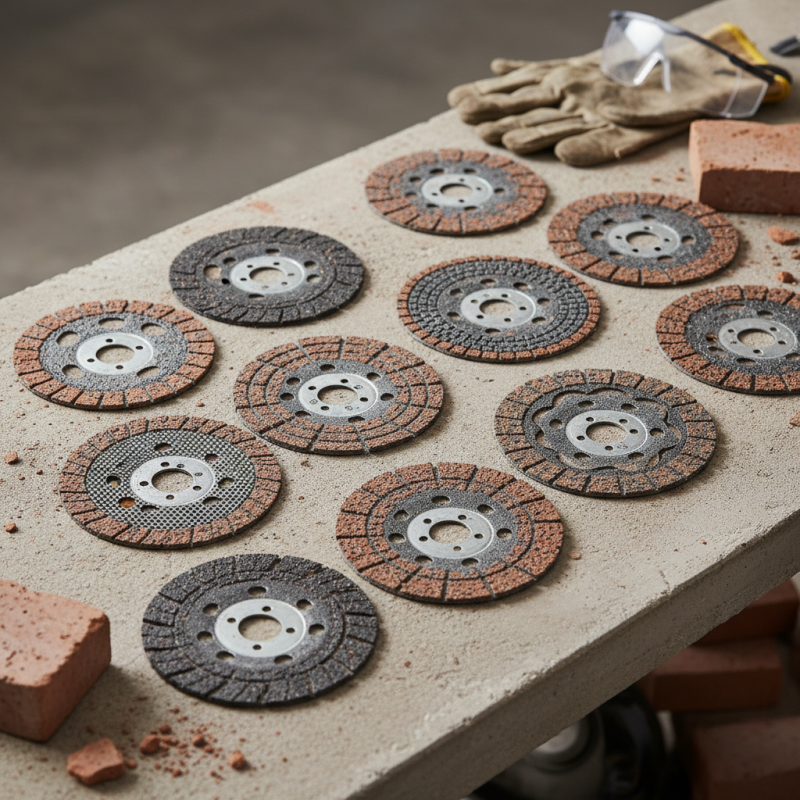
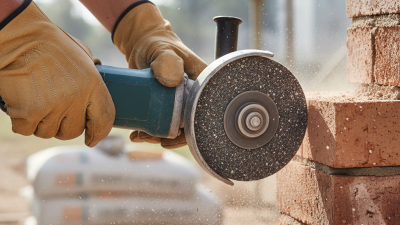
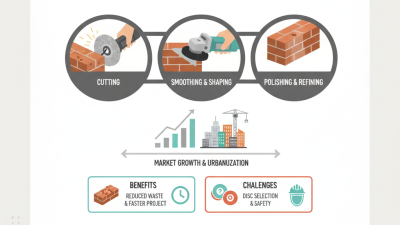
When it comes to brickwork, the right tools make all the difference. A high-quality Brick Grinding Disc can significantly enhance your performance. These discs are designed specifically for grinding and cutting brick, providing efficiency and precision.
The market is saturated with options, but not all discs deliver the same results. Some may wear out quickly, while others lack the sharpness needed for a clean cut. It's essential to choose wisely. An optimal Brick Grinding Disc should offer durability and superior performance.
In this guide, we will explore the top 10 Brick Grinding Discs available today. Each option is evaluated based on effectiveness, lifespan, and user feedback. With careful selection, you can achieve professional-level results, even as a novice. Keep reading to find the perfect disc that suits your needs.
Top 10 Brick Grinding Discs for Enhanced Performance: An Overview
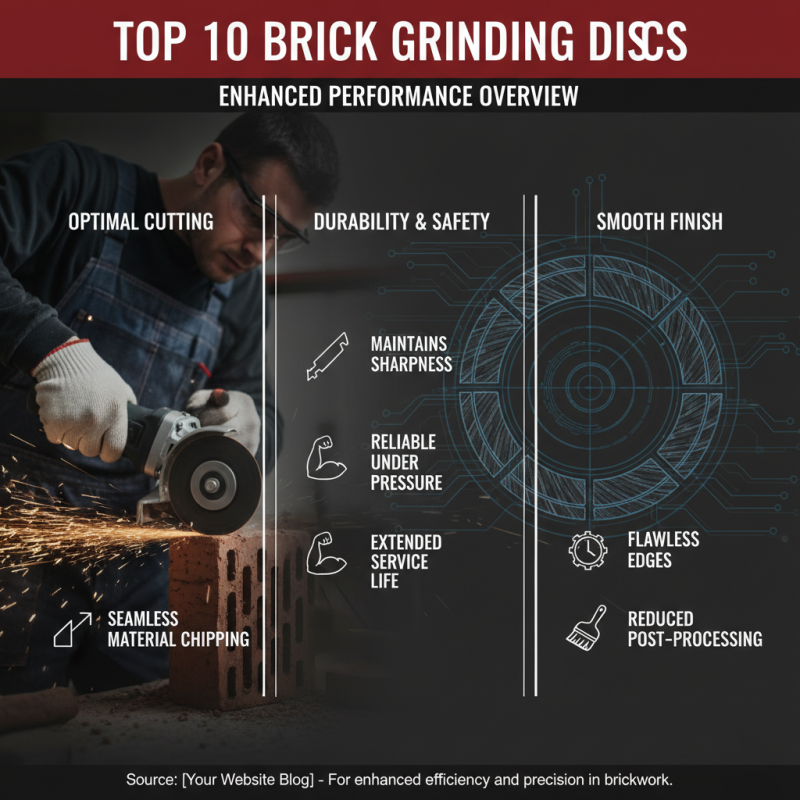
When working with brick, selecting the right grinding disc is crucial for optimal performance. The ideal disc cuts through materials seamlessly. It minimizes chipping and ensures a smooth finish. You want a disc that maintains its sharpness over time. Durability impacts both efficiency and safety. The grinding process can be harsh, and a reliable disc performs well under pressure.
Consider the type of brick you'll be working with. Softer bricks may require a different approach than harder varieties. The right grain size affects how quickly you can grind. A disc that is too coarse can cause damage, while one that is too fine can lead to inefficiency. It’s essential to balance speed and precision.
Many users overlook the importance of proper technique. Using too much pressure can wear down your disc faster. Conversely, not applying enough force can lead to slow progress. It's crucial to find that sweet spot for the best results. Regular inspections of the grinding discs keep your work consistent. Maintaining them will extend their lifespan and enhance your overall performance.
Understanding Different Types of Brick Grinding Discs and Their Applications
When choosing brick grinding discs, understanding their types is crucial. There are several options available, each designed for specific tasks. For instance, diamond grinding discs are ideal for heavy-duty grinding. They provide excellent durability and can handle tough materials. On the other hand, silicon carbide discs are suited for softer bricks. They offer a balance of performance and efficiency, allowing for fine finishes and smooth edges.
Different applications require different grinding discs. For precision work, use the finer grit options. They remove less material, helping shape bricks without leaving noticeable marks. For rough jobs, a coarser grit can quickly take off material. This method is efficient but may leave a rough surface. It's essential to choose the right grit based on the project demands.
Reflecting on my experiences, I have learned that using the wrong grinding disc can lead to frustration. It may not efficiently complete the job, wasting time and resources. Sometimes, I’ve overlooked the details, choosing convenience over performance. Remembering the right tools for your needs ensures success, making each project smoother and more enjoyable.
Top 10 Brick Grinding Discs You Need for Optimal Performance
| Disc Type |
Material |
Diameter |
Thickness |
Application |
Optimal RPM |
| Diamond Grinding Disc |
Diamond |
4 inches |
1/8 inch |
Hard Brick Milling |
11000 RPM |
| Alumina Grinding Disc |
Alumina |
5 inches |
1/4 inch |
Brick Surface Finishing |
9000 RPM |
| Resin Bond Disc |
Resin |
6 inches |
1/8 inch |
Polishing and Grinding |
8500 RPM |
| Concrete Grinding Disc |
Metal Bond |
7 inches |
1/4 inch |
Heavy Grinding |
7000 RPM |
| Turbo Grinding Disc |
Diamond + Metal |
4.5 inches |
3/16 inch |
Fast Material Removal |
10500 RPM |
| Floor Grinding Disc |
Concrete + Metal |
8 inches |
1/2 inch |
Surface Preparation |
6000 RPM |
| Diamond Cup Wheel |
Diamond |
5 inches |
3/8 inch |
Masonry Work |
8000 RPM |
| Polishing Pad |
Foam + Abrasive |
6 inches |
1/16 inch |
Final Surface Finish |
6000 RPM |
| Cut-off Wheel |
Abrasive |
4 inches |
1/8 inch |
Cutting Brick |
12000 RPM |
Key Features to Consider When Choosing Brick Grinding Discs
When selecting brick grinding discs, several key features can enhance performance. The disc's material type matters significantly. Common options include diamond, zirconia, and aluminum oxide. Each material offers different levels of durability and cutting efficiency. According to industry reports, diamond discs typically last longer and perform better on tough materials. However, they can be more expensive.
Consider the grain size of the disc. Coarser grits (around 30-60) are suitable for heavy material removal, while finer grits (80-120) excel at finishing work. Selecting the right grit impacts the surface finish of the brick significantly. A balance between these can optimize both speed and quality.
For optimal results, always check the RPM rating. Using a disc beyond its rated speed can lead to safety hazards and unsafe working conditions. It's essential to ensure compatibility with your grinder tool. Regular checks on the disc's condition can prevent unexpected failures during use.
Tip: Always wear appropriate safety gear while grinding, including goggles and a dust mask. This protects against flying debris and harmful dust. Evaluate the disc performance regularly and adjust your choice based on the material types you frequently encounter. Discs wear out; replace them to maintain optimal efficiency.
Performance Metrics: Comparing Lifespan and Efficiency of Top Discs
When selecting brick grinding discs, performance metrics are crucial. Lifespan is a primary concern. Studies show quality discs can last 20-30% longer than lower-grade alternatives. Some professional reports indicate that premium discs might endure over 1500 square feet of grinding before needing replacement. This longevity impacts overall project costs significantly.
Efficiency is equally important. High-performance discs can enhance productivity. Users might complete tasks 25% faster with superior discs. According to industry assessments, better cooling features can reduce heat build-up, leading to improved cutting precision. This can be particularly relevant when working with dense materials like brick. However, not all discs perform the same under pressure. Some may wear unevenly, necessitating more frequent changes.
Data from user surveys highlight varied experiences with different products. Some report dissatisfaction due to rapid wear or poor performance on specific materials. Others find consistent performance but struggle with cost-effectiveness. Understanding these metrics can help in making informed choices when investing in brick grinding discs. Consider these factors carefully.
Industry Recommendations: Leading Brands and Their Best-Selling Models
When it comes to selecting grinding discs for brickwork, understanding the options available is crucial. Various industry experts recommend models suited for different tasks. High-quality grinding discs can improve efficiency and reduce wear on tools. Experienced professionals know that not all discs perform equally.
Many leading brands offer specialized models aimed at maximizing performance. These discs often have unique features, such as specific grit sizes and bonding materials. Some discs excel in fast removal, while others are better for fine finishing. Balancing durability with cutting speed is essential. Users often realize that softer bricks require different discs than harder materials.
Selecting the right disc is not always straightforward. Users must consider factors such as the type of brick and the intended application. Feedback from users often highlights the importance of testing multiple options. While some discs may appear ideal on paper, real-world performance can vary. Understanding these dynamics will lead to better choices, ultimately enhancing operational efficiency.
Top 10 Brick Grinding Discs Performance Comparison