How to Choose the Best Circular Saw Blade for Your Projects?
Choosing the right Circular Saw Blade is crucial for achieving optimal results in your projects. According to a report by the National Institute of Standards and Technology, the proper blade selection can enhance cutting efficiency by up to 30%. This emphasizes the importance of understanding blade types and applications.
Different materials require specific blades. For instance, a carbide-tipped blade is ideal for cutting hardwood, while a diamond blade suits masonry work. The market for circular saw blades has expanded, with over 100 brands available today. This variety can often lead to confusion. A poorly chosen blade may result in chipping or splintering, which can compromise the quality of your work.
It's essential to consider tooth count, material, and intended use. A higher tooth count generally provides smoother cuts, but you may sacrifice speed. Remember, not all blades are equal. Missteps in selection can cost time and materials, prompting the need for informed decisions. Therefore, understanding how to choose the best Circular Saw Blade is vital for efficiency and precision in your projects.
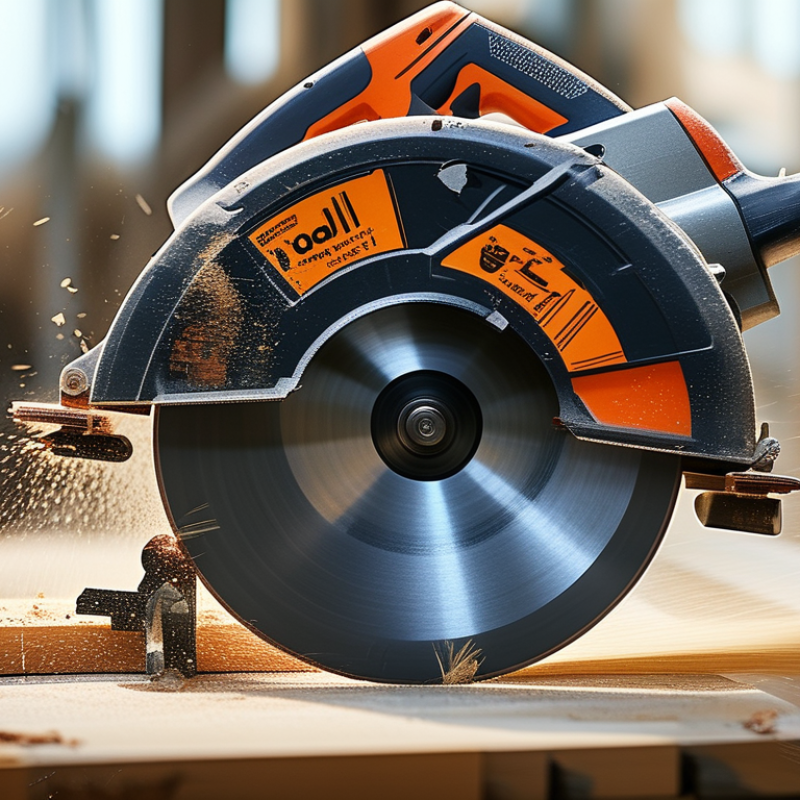
Understanding Circular Saw Blade Types and Their Applications
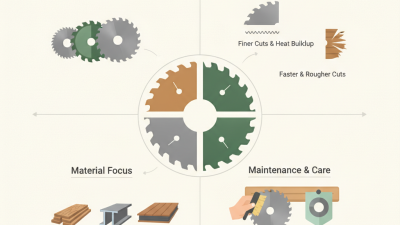
When selecting a circular saw blade, understanding the types and their applications is crucial. There are two main categories: ripping blades and crosscut blades. Ripping blades typically feature fewer teeth, allowing for faster cuts through lumber. They are designed for cutting with the grain. In contrast, crosscut blades have more teeth for cleaner cuts against the grain. This difference can significantly impact project outcomes and efficiency. According to a report by the Woodworking Industry Association, choosing the appropriate blade can increase cutting speed by up to 40% for specific materials.
Additionally, the material and tooth configuration of the blades can vary widely. Carbide-tipped blades are preferable for their longevity, particularly for hardwood projects. Blades made of high-speed steel may offer cost savings but wear out quicker. It's crucial to balance budget with the expected frequency of use. Misunderstanding the right blade for your material can lead to poor cuts and wasted resources. Anecdotal evidence suggests that about 20% of DIY enthusiasts often select inappropriate blades, resulting in frustrating project delays.
Not all blades are created equal. Some have specialized designs for particular tasks, like laminate or masonry cutting. Knowing the right application ensures the best results and extends the life of the blade. It's essential to evaluate your project requirements carefully and choose accordingly. This will not only enhance efficiency but also improve the overall quality of your work.
Key Factors to Consider When Choosing a Circular Saw Blade
Choosing the right circular saw blade can significantly impact your project’s outcome. Key factors include the blade material, tooth count, and blade diameter. High-quality blades made from carbide are durable and stay sharp longer. A higher tooth count results in a smoother cut but can slow down the cutting speed.
When selecting a blade, consider the type of material you'll be cutting. For hardwood, a combination or crosscut blade is ideal. For softer materials, a ripping blade works well. Pay attention to the kerf width; thinner blades create less waste but may not be as stable during cuts.
It’s essential to assess your specific needs and preferences. If you often switch between projects, a hybrid blade might be a good compromise. Don’t overlook proper maintenance either; regularly cleaning your blades can enhance performance and longevity. Adjust your choices based on feedback from past projects, and don’t hesitate to experiment with different blades. Familiarizing yourself with a range of options can lead to unexpected improvements in your work.
How to Choose the Best Circular Saw Blade for Your Projects?
When choosing a circular saw blade, it's essential to consider various factors to ensure optimal performance for your specific projects. Below is a bar chart showing the key factors affecting the choice of a circular saw blade, with their relative importance.
Material Composition: Why It Matters in Blade Selection
When selecting a circular saw blade, the material composition is crucial. Different materials serve unique purposes. Carbide-tipped blades are favored for heavy-duty tasks, as they offer longevity and efficient cutting. Reports indicate that blades with a high carbide content can last up to five times longer than traditional steel blades, especially when cutting dense materials like hardwood or engineered wood.
For woodworking projects, high-speed steel (HSS) blades might suffice. However, they dull quickly compared to carbide-tipped options. A study conducted by the Woodworking Machinery Industry Association shows that a blade's composition directly affects cut quality and precision. Inadequate blade material can lead to significant project setbacks. Considering the project's specific needs is essential in blade selection.
Choosing the right blade can be overwhelming. It's advised to match the blade with the material you are cutting. Check the tooth count; more teeth provide smoother finishes, while fewer teeth cut faster. Remember to assess your material and workload to find the best fit. Understanding these factors can minimize mistakes and improve efficiency, ultimately benefiting your project outcomes.
Teeth Count and Configuration: Impact on Cutting Performance
When selecting a circular saw blade, teeth count and configuration are critical factors affecting cutting performance.
Blades with fewer teeth, typically around 24, are excellent for making quick, rough cuts in thick materials like plywood.
Conversely, blades with a high tooth count, ranging from 60 to 80 teeth, provide smoother cuts and are ideal for fine woodworking projects.
According to industry studies, the right teeth configuration can increase cutting efficiency by nearly 40%.
Teeth shape also plays a significant role. Flat top grind (FTG) is suitable for cross-cutting, producing clean edges.
However, the design may lead to faster wear. On the other hand, alternate top bevel (ATB) teeth improve the cut’s smoothness but reduce cutting speed.
A study from the Woodworking Institute suggests mixing configurations, such as combining FTG and ATB, can enhance both speed and finish quality,
offering versatility in various projects.
It’s essential to consider the material being cut as well. For instance, cutting dense hardwood requires different blade characteristics than softwood.
Blades designed for specific materials can extend tool life and improve safety. Reflecting on this, users often underestimate the impact of selecting the right blade,
which can lead to frustration during projects and potential safety risks. Thus, understanding teeth count and configuration is crucial for achieving the desired results in any cutting task.
Blade Diameter: How Size Affects Your Cutting Accuracy and Efficiency
When selecting a circular saw blade, understanding blade diameter is crucial.
The size of the blade directly impacts your cutting precision and efficiency.
A larger blade can cut through thicker materials in one pass.
However, it may be overkill for thinner materials.
This can lead to misalignment and less control during cutting,
especially for beginners.
Moreover, smaller blades excel in fine, detailed work.
They are ideal for intricate cuts in thinner pieces.
But they may struggle with tougher materials.
Using the wrong size blade can lead to frustration and poor results.
It's important to assess the materials you'll be working with and choose a blade size that meets those specific needs.
Consider the type of projects you undertake regularly.
If you often switch between various materials, a versatile mid-sized blade might be best.
Think about your cutting style as well.
Do you need speed or precision?
This reflection can lead to better choices in blade diameter.
Ultimately, your experience will guide you to the right decision.