How to Choose the Best Brick Grinding Disc for Your Needs?
Choosing the right Brick Grinding Disc is essential for achieving optimal results in masonry projects. According to recent industry reports, over 70% of masonry contractors prioritize the selection of suitable grinding tools. The wrong choice can lead to inefficiency and wear on tools, impacting both time and cost.
Different types of Brick Grinding Discs are available, each designed for specific applications. For instance, some discs are tailored for softer bricks, while others excel with harder materials. This diversity requires users to understand their specific needs. Misjudging the right type may result in subpar performance or increased safety risks.
Moreover, the quality of the materials used in the construction of the grinding discs affects durability. Discs made with higher-grade materials tend to provide longer service life and more consistent results. Hence, it is crucial to assess user reviews and professional recommendations. Balancing cost and performance often leads to tough decisions, reflecting the complexity of making the right choice in this niche market.
Understanding Brick Grinding Discs: Types and Applications
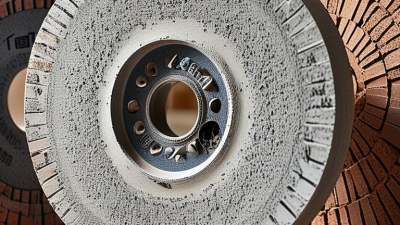
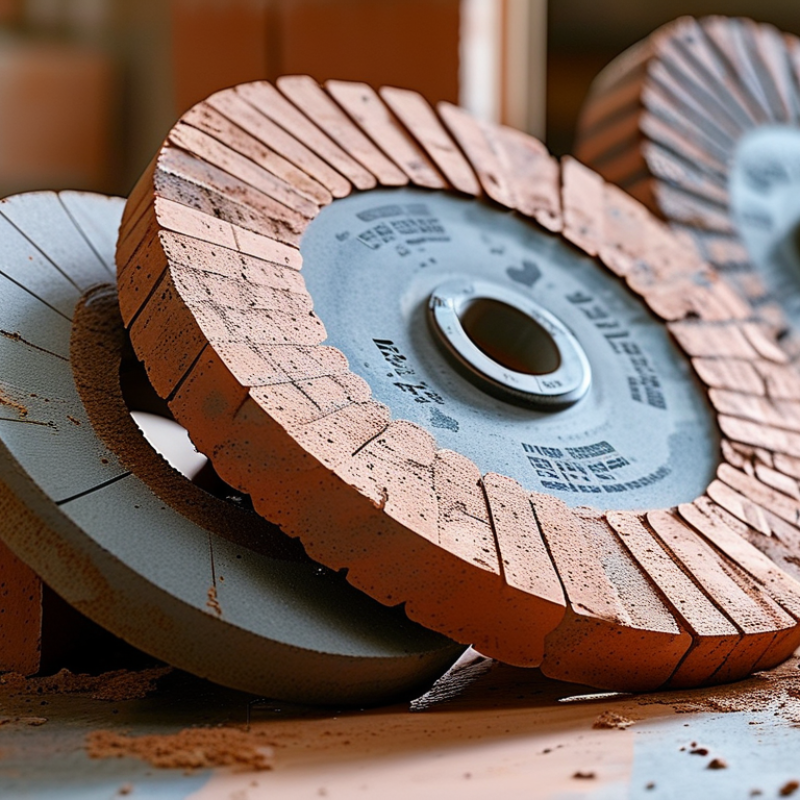
Brick grinding discs are crucial tools in construction and renovation. They efficiently cut through tough materials like brick, concrete, and stone. Understanding the different types and their applications will help you choose the right one for your project.
There are several types of brick grinding discs available. For instance, diamond blades are popular for their durability and efficiency. They can last longer than traditional steel blades, cutting through harder surfaces without quick wear. A recent industry report indicates that the diamond tool market is expected to grow significantly, driven by increased demand for quality materials.
When selecting a disc, consider the specific task. For heavy-duty jobs, thicker discs may be more suitable. Conversely, thinner discs offer precision for fine work. Ensure the disc's specifications match your grinder's power and speed.
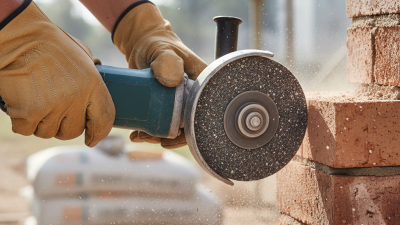
Tip: Always wear protective gear, like goggles and gloves, while grinding. This protects you from flying debris. Tip: Regularly check your discs for wear. A worn disc can lead to unsafe conditions and ineffective results. Choose wisely for better outcomes.
Key Features to Consider When Selecting a Brick Grinding Disc
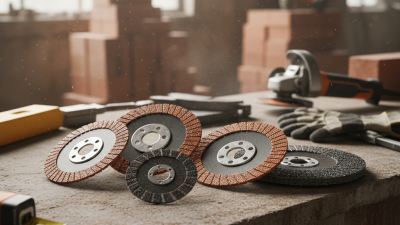
Choosing the right brick grinding disc is essential for precision work. When selecting a disc, consider the material type. Diamond discs are great for hard bricks. For softer materials, a silicon carbide disc may work better. Ensure you also think about the grit size. Finer grits offer smooth finishes, while coarser grits are better for heavy material removal.
Another important feature is the disc’s diameter. Larger discs cover more area, speeding up tasks. However, for intricate work, smaller discs allow for better control. Weight and compatibility with your tools also matter. A lightweight disc can reduce fatigue during extended use. Also, ensure it fits your grinder perfectly. An ill-fitting disc can lead to accidents.
Tips: Always check the RPM rating of the disc. It should match your grinder’s speed. If unsure, consult the manual. Regularly replace discs that show signs of wear. Worn discs can compromise safety and efficiency. Finally, take time to adjust your technique. Finding the right motion can enhance performance.
Assessing Material Compatibility for Optimal Grinding Performance
When selecting a grinding disc for bricks, understanding material compatibility is crucial. Not all discs perform equally on different brick types. For instance, hard bricks may require a disc made from specific materials, such as diamond or silicon carbide, to achieve optimal results. Industry reports indicate that using the wrong grinding disc can reduce efficiency by up to 30%, highlighting the need for informed choices.
The hardness and density of the brick dictate the right disc choice. For denser bricks, a more robust disc will be necessary. According to a recent study, even minor mismatches in material can lead to excessive wear on the disc. Factors like grit size also play a vital role in performance. Finer grits are suited for smoother finishes on softer materials, while coarser grits work better on tough surfaces.
Assessing durability is essential—high-quality discs last longer. However, users should be wary of overuse. Many novice users overlook signs of wear, leading to inefficiencies. In practice, inspecting discs regularly can prevent unnecessary costs and ensure optimal performance over time. Balancing these factors requires both knowledge and experience.
Evaluating Disc Size and Thickness for Specific Grinding Tasks
Choosing the right size and thickness of a grinding disc is crucial. Each project has unique requirements. A thinner disc is ideal for fine, detailed work. It can maneuver into tighter spaces and create smoother finishes. However, these discs may wear out faster. A thicker disc offers durability for heavy grinding tasks. It is designed to withstand tougher materials.
When selecting your disc, consider the material you will be working on. For brick, a medium thickness often strikes a balance. It provides strength without compromising control. However, many users might underestimate the impact of size. A larger disc can cover more area quickly, while a smaller one allows for precision. Experience shows that experimenting with different sizes can help you find what works best for your style.
Reflecting on past projects can highlight the importance of this choice. A poorly sized disc can lead to uneven surfaces or extended work hours. Take time to assess your needs before purchasing. What was frustrating before might guide your decision now. The right grinding disc can enhance your result significantly. Prioritize understanding your task to choose wisely.
How to Choose the Best Brick Grinding Disc for Your Needs?
| Disc Size (Diameter) |
Disc Thickness |
Material Type |
Best Use Case |
Grind Level |
| 4.5 inches |
1/4 inch |
Diamond |
Masonry and Concrete Grinding |
Medium |
| 5 inches |
1/8 inch |
Aluminium Oxide |
Brick and Tile Cutting |
Coarse |
| 7 inches |
3/8 inch |
Silicon Carbide |
Concrete Surface Preparation |
Fine |
| 9 inches |
1/2 inch |
Turbo |
Heavy-Duty Grinding |
Very Fine |
Safety Tips for Using Brick Grinding Discs Effectively
When using brick grinding discs, safety should always be your top priority. Protective gear is essential. Always wear safety goggles to shield your eyes from flying debris. A dust mask can help filter out harmful particles. Gloves protect your hands from sharp edges and vibrations. Choosing the right footwear is also important. Sturdy shoes can prevent slips and injuries.
Before starting, inspect your work area. Make sure it's clean and free from obstacles. Check the disc for any damage. A cracked disc can shatter during use, causing serious injury. Ensure your tools are in good condition. It’s easy to overlook small issues, but they can lead to accidents.
While grinding, maintain a steady grip on the tool. Use smooth, controlled movements to avoid jarring motions. Don’t rush the job; unexpected problems often arise when you do. Listen to your body; if you feel fatigued, take a break. Reflect on your comfort level and adjust your technique as necessary. Familiarity will come with practice, but being cautious is key in maintaining safety.
Comparison of Different Brick Grinding Disc Materials