What is a Circular Saw Blade and How to Choose the Right One?
Choosing the right Circular Saw Blade can make or break your project. According to industry expert John Smith, “The right blade can transform your cutting experience.” Understanding the types and specifications of Circular Saw Blades is crucial for effective woodworking and construction tasks. Whether you're a hobbyist or a professional, using the correct blade enhances performance and safety.
Circular Saw Blades come in various sizes, teeth configurations, and materials. Each type serves a specific purpose, influencing the precision and quality of cuts. The blade’s diameter often dictates its cutting capacity, while the tooth count affects the finish. For instance, more teeth provide smoother cuts but won’t cut as fast. Balancing these factors is essential for optimal results.
Many users underestimate the impact of a suitable Circular Saw Blade. Often, a poor choice leads to frustration and compromised projects. It’s advisable to research and possibly test different blades to identify what works best for your specific needs. With the right knowledge and tools, every cut can be an opportunity to improve your craft.
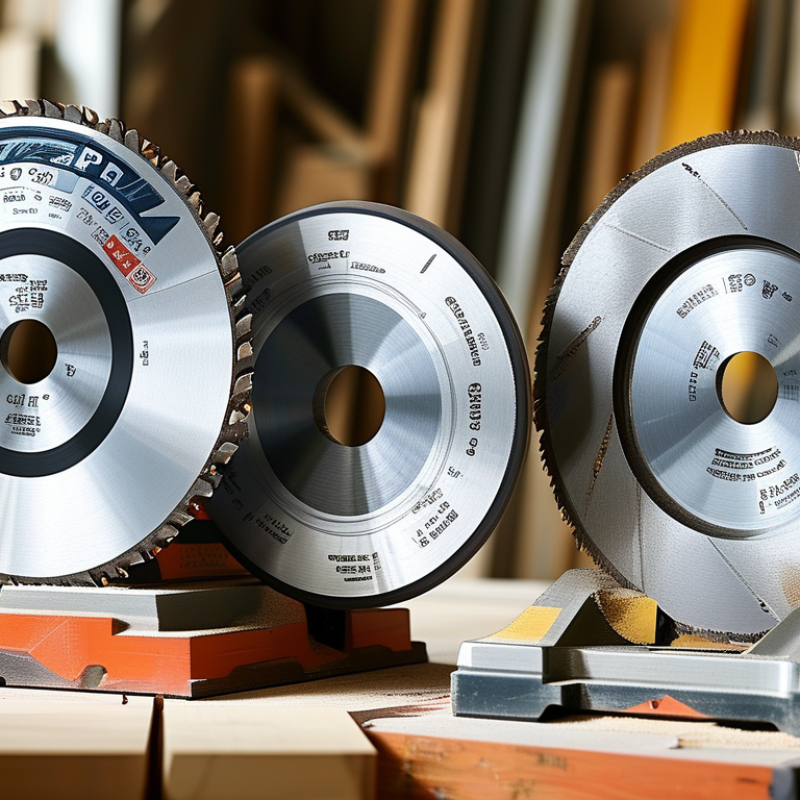
What is a Circular Saw Blade?
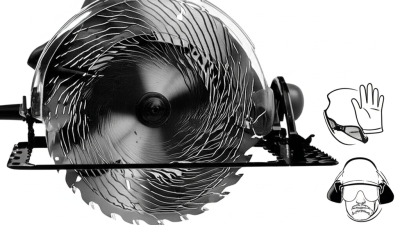
A circular saw blade is a vital component for cutting various materials. It consists of a round metal disc with sharp teeth around the edge. The design of these teeth varies based on the material and type of cut needed. For instance, blades for wood will have different tooth configurations than those for metal. Understanding the purpose of the blade is fundamental for optimal performance.
Choosing the right circular saw blade can be overwhelming due to the numerous options available. Look for blades tailored to specific tasks, such as rip cuts or cross cuts. A thin kerf blade minimizes waste, while a high-tooth count blade provides a smoother finish. Remember, the size of the blade must match your saw’s specifications.
Tips: Always double-check the blade size before purchasing. This avoids unnecessary returns. Additionally, consider the materials you'll work with most frequently. Investing in a few specialized blades can enhance your cutting capabilities. Maintaining blades is crucial; keep them clean and sharpened for better longevity and efficiency.
Components and Design of Circular Saw Blades
Circular saw blades are essential for various cutting tasks. Understanding their components and design helps in making the right choice. The core structure includes the blade body, teeth, and the arbor hole. The teeth are crucial as they determine the cutting efficiency and finish. The design of these teeth varies significantly based on the intended material to cut.
Different tooth shapes exist. For instance, flat-top teeth are great for making fast, rough cuts in wood. Alternatively, alternate top bevel teeth create smoother cuts. The material of the blade also matters—high-speed steel and carbide-tipped blades have distinct usage. Each design aims to enhance durability and performance.
Tips: Always match the blade type to the material. A wrong choice may lead to frustration. Store blades safely to prevent damage. Inspect blades regularly for wear and tear. These simple steps can extend blade life significantly. Consider your project’s requirements before making a decision; sometimes, a more specialized blade will offer better results.
Types of Circular Saw Blades and Their Applications
Circular saw blades come in various types, each designed for specific tasks in woodworking and metalworking. Understanding the purpose of each blade type is essential for achieving optimal results. For instance, wood-cutting blades, which typically contain 24 to 80 teeth, impart smooth cuts and ensure minimal chip-out. Data from the Woodworking Institute indicates that correctly selecting the tooth count can enhance cutting efficiency by up to 30%.
When dealing with metal, blades with a higher tooth count, such as 60 or more, are often preferred. These blades are engineered with carbide-tipped teeth, providing durability and precision. Reports from the Metalworking Manufacturing & Production show that using the right metal-cutting blade can reduce cutting time significantly, sometimes by over 20% in industrial applications. Notably, another blade type includes diamond blades, which are indispensable for cutting tiles and concrete; they outperform traditional blades by a substantial margin in terms of lifespan and cutting speed.
Choosing the right circular saw blade is not merely about matching the blade to the material; it also involves consideration of factors like thickness and grain structure. Blades can dull fast in challenging materials, requiring regular replacements. While many users underestimate blade maintenance, it could potentially extend lifespan by 50%. Proper assessment is crucial for maximizing efficiency and precision.
Factors to Consider When Choosing a Circular Saw Blade
When selecting a circular saw blade, numerous factors come into play. The type of material you'll be cutting is crucial. Different materials require specific tooth designs and blade thicknesses. For instance, wood cutting demands a different blade than metal cutting. Consider even the type of wood. Plywood, hardwood, and softwood each need a distinct blade for optimal performance.
Tooth count affects the cut's smoothness and speed. A blade with fewer teeth often cuts faster but may produce rough edges. Conversely, blades with more teeth offer finer finishes but cut more slowly. This balance can feel challenging. It's essential to ask what finish you want versus how quickly you need to complete the task.
The diameter of the blade is equally important. Larger blades can handle thicker materials, but they may be cumbersome to control for delicate work. Blade materials also vary, with carbide-tipped blades providing longevity for tough jobs. However, they can be overkill for simple tasks. When choosing, reflect on your needs and tasks. Balancing these factors can lead to better decisions and more enjoyable woodworking experiences.
Maintenance Tips for Prolonging Blade Life
Circular saw blades are essential tools for woodworking and construction projects. To ensure optimal performance, maintaining the blade is crucial. Regular maintenance can extend the life of a blade significantly. Studies have shown that a well-maintained blade can last up to 50% longer than one that is neglected.
One effective maintenance tip is to keep the blade clean. Sap and resin can build up on the teeth, affecting performance. A simple mixture of warm water and mild detergent can help remove debris. Using a soft brush can effectively clean the blade without damaging it. Additionally, it’s advisable to check for dullness regularly. A dull blade requires more force, increasing the likelihood of accidents.
Another often-overlooked aspect is storage. Blades should be stored in a dry environment to prevent rust. Keeping them in protective cases can also help avoid contact with other tools, which may cause nicks. Over time, improper storage can lead to unforeseen costs, as replacing blades frequently adds up. Ultimately, being mindful of these maintenance tips can greatly enhance the reliability and longevity of circular saw blades.
What is a Circular Saw Blade and How to Choose the Right One? - Maintenance Tips for Prolonging Blade Life
| Blade Type |
Teeth Count |
Material |
Usage |
Maintenance Tips |
| General Purpose |
24-40 |
High Carbon Steel |
Softwood and Hardwood |
Clean regularly, avoid excessive force |
| Ripping Blade |
24-30 |
Tungsten Carbide |
Ripping Wood |
Store in a dry place, sharpen regularly |
| Crosscut Blade |
40-60 |
High-Speed Steel |
Crosscutting Hardwoods |
Lubricate the shaft, check for warping |
| Masonry Blade |
Various |
Diamond |
Cutting Concrete, Brick |
Avoid overheating, use cooling methods |
| Finish Blade |
60-80 |
Carbide Tipped |
Finishing Cuts on Softwood and Hardwood |
Clean after each use, store properly |