Concrete surrounds modern construction, from basement walls to bridge decks. The Global Cement and Concrete Association reports that more than 14 billion cubic metres of concrete are produced globally each year. That scale explains why reliable drilling tools matter.
Masonry Bits For Concrete are designed for mineral materials, not ordinary wood or metal. Their carbide tips strike, crush, and remove hard aggregate inside the concrete. A bit may look sharp and still cut poorly. That is an uncomfortable field lesson. Dust, embedded stone, high heat, and hidden reinforcement can quickly reduce drilling speed. The U.S. Geological Survey reported approximately 91 million metric tons of cement production in the United States during 2023, showing the continuing volume of concrete-related work.
Dr. Karen Scrivener, a leading cement researcher at EPFL, describes concrete plainly: “Concrete is the most widely used construction material in the world.” Her observation gives this small tool a larger context. The right bit must match the concrete’s hardness, the drill’s impact setting, and the hole diameter. OSHA and NIOSH guidance also emphasize controlling respirable crystalline silica during concrete drilling. Water delivery or suitable dust extraction is not a minor detail.
This guide examines bit shapes, carbide quality, shank compatibility, drilling technique, and service life. It also questions common assumptions. Faster is not always better. A cheaper bit can create more downtime, heat, and uneven holes. Practical selection begins with the wall in front of you.
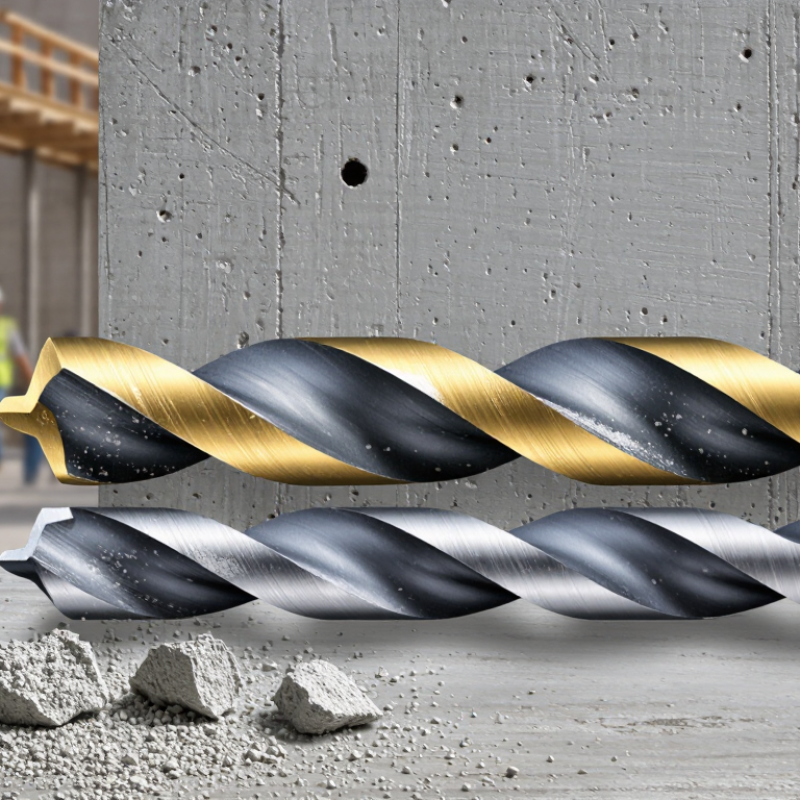
A masonry bit is a cutting tool designed for brick, block, stone, and concrete. Unlike a wood bit, it uses a hardened carbide tip to break mineral material. The tip does not simply slice concrete. It crushes small particles while the rotating shaft removes them through its flutes. With a hammer drill, rapid impacts help fracture the surface. Rotation then carries the loosened dust out of the hole.
Use a rotary drill for softer masonry and hammer action for dense concrete. Keep pressure steady, but do not force the tool. Too much pressure can overheat the tip or stall the drill. Concrete is not uniform. That matters. Gravel, voids, and embedded steel can change the drilling speed. I have sometimes blamed a dull bit when excessive pressure caused the problem. A better method is to mark the depth, clear dust regularly, and begin slowly. If the bit strikes steel, stop rather than pushing harder. Wear eye protection, hearing protection, and a suitable dust mask. Concrete dust is fine and easily airborne. The method is simple, but results depend on matching the bit, drill mode, and material.
| Masonry Bit Type | Cutting Tip or Head | Suitable Materials | Recommended Tool Mode | Typical Hole Diameter | Primary Purpose | Important Characteristics |
|---|---|---|---|---|---|---|
| Standard Carbide-Tipped Masonry Bit | Brazed carbide cutting plate with a pointed or chisel-like edge | Brick, concrete block, mortar joints, and light concrete | Hammer mode for masonry; rotary mode for fragile tile or soft block | Approximately 3–16 mm | Small anchor holes, wall plugs, cable clips, and light fastening | Cost-effective and widely used; slower in dense reinforced concrete |
| Four-Cutter Carbide Bit | Four symmetrical carbide cutting edges | Concrete, reinforced concrete, brick, and block | Rotary hammer with hammer action | Approximately 5–32 mm | Reliable anchor holes and general-purpose concrete drilling | Improved centering and reduced risk of jamming when reinforcement is encountered |
| Multi-Cutter Carbide Bit | Several carbide cutting edges arranged around the tip | Hard concrete, reinforced concrete, masonry, and stone | Heavy-duty rotary hammer with hammer action | Approximately 12–50 mm | Large anchors, pipe supports, structural fixings, and repeated drilling | Designed for durability and high drilling productivity in demanding materials |
| SDS-Plus Masonry Bit | Usually carbide-tipped; shank has two open and two closed drive grooves | Concrete, brick, block, and masonry products | SDS rotary hammer with rotary-hammer or rotation-only setting | Approximately 4–30 mm | General construction anchors and service-installation holes | Tool-free shank system; intended for compatible SDS-Plus chucks |
| SDS-Max Masonry Bit | Large carbide cutting head with a heavy-duty slotted shank | Dense concrete, reinforced concrete, and heavy masonry | SDS-Max rotary hammer with hammer action | Approximately 12–52 mm | Large structural anchors, penetrations, and utility installations | Higher impact capacity than smaller shank systems; requires a compatible tool |
| Diamond Core Bit | Diamond-impregnated segments or a continuous diamond rim | Concrete, reinforced concrete, brick, tile, and natural stone | Usually rotary-only; wet drilling is common for larger cores | Approximately 20–300 mm or more | Clean, large-diameter holes for pipes, ducts, sockets, and conduits | Produces annular cores; normally not used with hammer action unless specifically rated |
| Tile and Masonry Combination Bit | Carbide tip shaped for controlled penetration through brittle surfaces | Ceramic tile, porcelain tile, brick, and soft masonry | Rotation-only for tile; follow the bit manufacturer’s instructions for masonry | Approximately 4–16 mm | Drilling through finished tile before entering a masonry substrate | Helps reduce surface chipping; hammer action can crack many tiles |
| Long Masonry Bit | Extended carbide-tipped head on a long fluted body | Brickwork, blockwork, concrete, and stone masonry | Rotary hammer or hammer drill, depending on size and bit design | Approximately 6–20 mm | Deep fixing holes and drilling through walls for cables or pipes | Longer reach requires careful alignment to prevent wandering and bending |
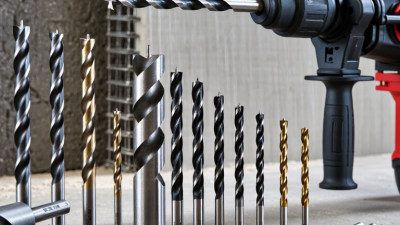
What Is a Masonry Bit for Concrete?
A masonry bit is built for abrasive mineral materials, not ordinary wood or metal. Its carbide tip breaks concrete under impact, while its shape controls penetration and durability. A blunt, poorly aligned tip can create heat, vibration, and a ragged hole. Tip geometry matters more than many users expect.
The flutes carry fractured concrete and dust away from the cutting zone. Deep flutes improve removal, but they can weaken the bit if the steel body becomes too thin. The shank transfers rotation and impact from the tool. Round shanks suit standard chucks, while SDS interfaces use grooves for faster insertion and stronger impact transfer. SDS-plus fits lighter rotary hammers. SDS-max supports larger drilling loads. They are not interchangeable.
Dust control is part of bit performance. OSHA’s respirable crystalline silica rule sets an 8-hour permissible exposure limit at 50 micrograms per cubic meter, with an action level of 25 micrograms. NIOSH guidance also favors local extraction or wet methods during concrete drilling. A flute that clogs can increase dust and heat. It also slows work.
In field testing, the right bit still depends on concrete age, aggregate hardness, and drilling depth. Concrete is inconsistent. Even a carbide tip can chip when it strikes dense stone or reinforcing steel. I would inspect the tip after every demanding hole, though this step is often skipped. That omission costs time later.
What Is a Masonry Bit for Concrete?
A masonry bit for concrete uses a carbide tip to fracture hard mineral material. Its cutting edge is not shaped like a typical metal-drilling point. Instead, it works with rotation, and sometimes with hammer impact. Concrete dust rises around the hole. The bit must remove it without losing alignment.
ISO 5468:2002 focuses on rotary and rotary impact masonry drills with carbide tips. It defines important dimensional requirements for these tools. These include the working diameter, overall length, and design features near the carbide cutting part. Such requirements support consistent interchangeability and safer tool selection. They do not guarantee identical drilling results in every concrete mixture.
Carbide provides high hardness at the contact point. The steel body supplies strength and absorbs repeated impact. A reliable design needs a firm carbide attachment, suitable flute clearance, and a shank that fits the drilling machine correctly. Too little clearance can trap dust. Excessive impact can damage the tip or enlarge the hole.
Small details matter.
During practical use, drilling pressure should remain steady rather than forceful. The operator should also clear dust from deeper holes. Reinforced concrete can challenge even a well-designed bit. A bit may satisfy dimensional requirements and still perform poorly after wear, misuse, or overheating. That limitation deserves honest attention when evaluating masonry tools.
What Is a Masonry Bit for Concrete?
Size Selection: 6–16 mm Bits for Common Concrete Anchors
A masonry bit uses a hardened cutting tip to drill concrete, brick, and block. Its fluted body removes dust while the tip breaks through aggregate. For concrete anchors, diameter matters more than appearance. A 6 mm bit commonly suits small screws and light-duty plugs. An 8 mm bit often fits medium wall plugs and compact fixings. Check the anchor instructions, because sizes are not universal.
Larger anchors usually need 10, 12, 14, or 16 mm bits. A 10 mm hole may suit a stronger sleeve or frame fixing. A 12 mm hole can support heavier mounting systems when the concrete is sound. Bits from 14–16 mm are used for larger anchors, but they demand steadier drilling and better dust control. The anchor package should state the exact hole diameter and depth. Never guess from the screw width.
I have found that a sharp bit creates cleaner holes and reduces wandering on smooth concrete. Mark the depth with tape, then drill slightly deeper than the anchor requires. Remove dust with a brush and suitable vacuum. Dust left inside can prevent full expansion. Use hammer action only when the bit and drill support it. My first instinct was to press harder on dense concrete, but that often overheated the bit. Reinforcement, cracked concrete, and old surfaces can change the result. Stop and reassess when drilling feels unusually slow.
Typical masonry drill-bit diameters matched with common nominal concrete anchor sizes. Always verify the anchor manufacturer’s specified hole diameter and depth before drilling.
Smaller bits are commonly used for light-duty plugs and screws, while 10–16 mm bits are more typical for medium- to heavy-duty anchors. The required hole depth is generally greater than the anchor embedment to allow dust clearance.
What Is a Masonry Bit for Concrete?
A masonry bit for concrete has a carbide-tipped cutting end and a reinforced shaft. It is designed to break and remove hard mineral material. Concrete is not uniform. Aggregate, steel reinforcement, and hidden voids can change drilling behavior quickly.
Operating speed matters. For many concrete holes, 400–1,000 RPM offers a practical working range. Use the lower end for larger diameters or dense concrete. Smaller bits may tolerate higher speed, but heat can still damage the tip. Keep it steady. Excessive pressure often slows the bit and creates unnecessary wear.
Impact energy also affects performance. Hammer action helps fracture concrete, while rotation clears the broken material. Too little impact causes rubbing and heat. Too much force can chip the hole edge or strain the tool. I usually begin with moderate pressure, then adjust after feeling the material. That judgment is imperfect, especially in old slabs.
Dust control deserves equal attention. Concrete dust can remain suspended around the hole and settle on nearby surfaces. Use local extraction, a compatible dust shroud, or controlled vacuum collection. Pause occasionally to clear debris. Dust changes everything. A clean hole improves anchor contact and makes depth easier to inspect. Wear eye protection and suitable respiratory protection, even during short drilling tasks.