FREE SHIPPING ON ALL BUSHNELL PRODUCTS

Leave Your Message

What Are the Top Types of Drum Sanders?

Drum Sanders help turn rough boards into smooth, even surfaces, but the right machine depends on the work. A small benchtop model can refine cabinet parts in a home shop. A wide, open-end sander can handle broader panels, while a dual-drum design may reduce sanding time by using two grits in sequence. Oscillating models add another motion to help limit visible scratch patterns. Each type has trade-offs in capacity, setup, dust collection, and control.

The choice is practical, not merely about motor size. Picture feeding a hardwood panel through the machine: too much material removed in one pass can leave marks, create heat, or strain the abrasive. A careful operator checks the board’s thickness, selects a suitable grit, and makes light passes. Small adjustments matter. So does patience.

A reliable comparison should explain what each design does well, where it falls short, and which shop tasks it suits. It should also distinguish drum sanders from related machines, since their names and features can overlap. I can’t responsibly attribute a quotation to a named Drum Sander industry expert without a verifiable source; inventing one would undermine the accuracy this guide should provide.
What Are the Top Types of Drum Sanders?

How Drum Sanders Are Classified by Design and Capacity

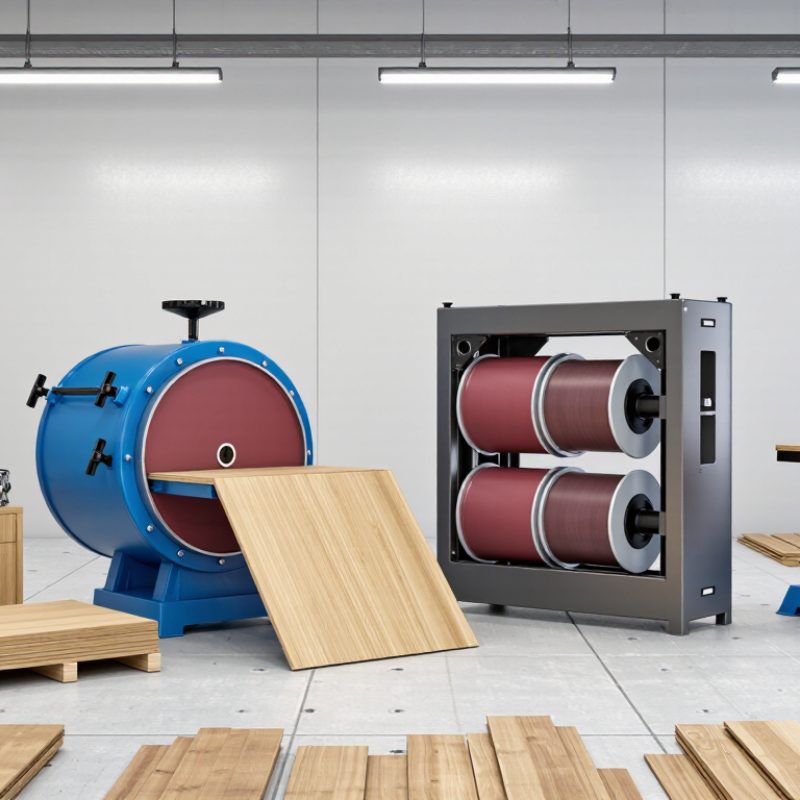
Drum sanders are classified by drum arrangement, frame design, and working capacity. A single-drum machine makes one sanding pass; a dual-drum model can use two grits in sequence, reducing handling between rough and finer cuts. Open-ended frames accept boards wider than the drum by allowing a second pass after turning the stock. Closed-end frames are more rigid, but their usable width is limited by the opening. Small bench units suit narrow panels and occasional work; floor-standing machines handle wider boards and steadier production. Check the rated maximum width, stock thickness, and feed speed—not just the drum’s dimensions.

Capacity figures need context. A machine rated for a wide board may still struggle with heavy material removal or uneven stock. The USDA Forest Products Laboratory’s Wood Handbook (2021) discusses wood machining and the way material properties affect processing; species and grain can change how sanding behaves.

Dust control matters, too. OSHA’s Air Contaminants standard lists wood dust limits of 15 mg/m³ for total dust and 5 mg/m³ for the respirable fraction. That is a practical reason to compare dust ports and extraction needs alongside width. One detail is easy to overlook: a larger drum does not guarantee a smoother finish. Feed rate, abrasive grit, and careful passes still matter. There is no perfect capacity label.
What Defines a Single-Drum Sander?

What Are the Top Types of Drum Sanders?

What Defines a Single-Drum Sander?

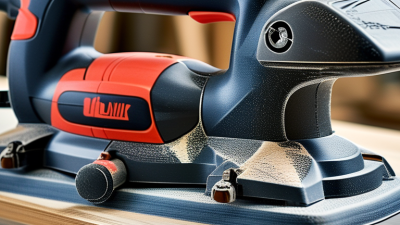
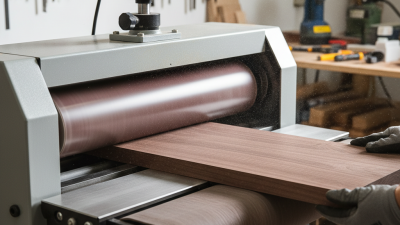
A single-drum sander uses one rotating, abrasive-covered cylinder to smooth wood as a conveyor moves the workpiece beneath it. The drum applies pressure across the board’s width, while the feed rate and abrasive grit affect how much material comes off. It is useful for leveling panels and refining broad surfaces, but it is not a substitute for careful stock preparation. Deep planer marks may take several passes to remove.

One drum means one sanding stage at a time. Operators often change abrasive grits between passes, so setup takes time. Even experienced users can misjudge feed speed; a board may emerge with uneven marks or heat discoloration. Check the drum and conveyor alignment before running valuable stock. Small adjustments matter.

Tips: Start with a shallow cut and test on scrap. Keep the board moving steadily, and inspect both faces under angled light. Wood dust also deserves attention: OSHA’s 29 CFR 1910.1000 Table Z-1 lists limits of 15 mg/m³ for total wood dust and 5 mg/m³ for the respirable fraction. Use suitable dust extraction and follow workplace exposure controls; those limits are not a substitute for effective dust management.

How Do Dual-Drum Sanders Differ from Single-Drum Models?

A single-drum sander uses one abrasive drum, so changing from coarse to fine grit usually means stopping to replace the paper. That takes time, but it gives the operator direct control over each sanding stage. For a small batch of cabinet doors, you might use a coarse grit to flatten the surface, inspect the result, then fit a finer abrasive for the finishing pass. Simple to adjust. A single drum can also suit workshops that handle varied jobs and do not need continuous, high-volume sanding.

A dual-drum model carries two abrasive drums, often with different grits installed. Material passes beneath both, receiving a rougher cut and then a finer one without being unloaded between stages. This can improve throughput on repeated work, such as preparing a stack of boards to a consistent thickness. The benefit depends on careful setup: drum height, feed speed, and grit choice all affect the finish. If the second drum is set too aggressively, it may leave scratches rather than erase them. Not always faster. Dual-drum machines also need more space and typically cost more to operate. Their convenience can tempt users to skip inspection, though a quick look at the board still matters. For occasional projects, that extra capacity may sit unused; for steady production, fewer abrasive changes can make a real difference.

What Are the Top Types of Drum Sanders? - How Do Dual-Drum Sanders Differ from Single-Drum Models?

Type or feature How it works Typical strengths Considerations
Single-drum sander One rotating abrasive-covered drum sands stock as a conveyor feeds it beneath the drum. Usually simpler to set up and operate; suitable for flattening and smoothing boards, panels, and glued-up work. A change of abrasive grit may be needed between coarse stock removal and finer finishing, adding setup time.
Dual-drum sander Two drums sand the material in sequence. They can be fitted with different grits so one pass can combine heavier sanding with finer sanding. Can reduce abrasive-change interruptions and improve throughput when processing repeated work or larger batches. Typically costs more and needs careful setup; both drums must be aligned and the feed rate matched to the material and grit.
Benchtop drum sander A compact machine designed to sit on a bench or stand, commonly with a single drum and a powered feed conveyor. Uses less floor space and is convenient for small workshops, thinner stock, and modest workloads. Capacity is limited by the machine’s stated sanding width, thickness range, and motor capability.
Floor-standing drum sander A larger stationary machine with a dedicated frame and conveyor system; available in single- and dual-drum configurations. Offers a more substantial setup for frequent use and may support wider or thicker work than compact models. Requires more workshop space, stable placement, dust collection, and suitable electrical service.
Open-end configuration The drum assembly is supported from one side, allowing a board wider than the machine’s nominal width to be sanded in overlapping passes on suitable models. Can handle wider panels than the sanding head’s one-pass capacity. Overlapping passes require consistent feed and height settings; check the manufacturer’s capacity and operating instructions.
Closed-end configuration The drum is supported at both ends, with the usable sanding width generally limited to the machine’s stated capacity. Provides support at both ends of the drum during sanding within its rated width. Cannot use the same overhanging-board approach as an open-end model; select capacity for the widest work you expect to sand.
Quick comparison Choose a single-drum model for straightforward sanding and simpler setup. Consider a dual-drum model when frequent grit changes or batch work make added throughput valuable. In either case, use light passes, keep stock flat on the conveyor, and follow the machine’s capacity and safety guidance.

What Are the Differences Between Open-End and Closed-End Sanders?

Open-end and closed-end drum sanders differ mainly in how the abrasive drum is supported. An open-end model holds the drum at one side, leaving the other side clear. This lets you sand boards wider than the drum by turning the piece and feeding it through again. Check the machine’s stated capacity; the usable width varies by design.

That extra reach takes care. The drum can flex slightly under load, and uneven pressure may leave a faint ridge where passes overlap. I’d use light cuts, keep the board flat, and inspect the surface under angled light. A small test board helps reveal setup problems before you sand a large panel. Not foolproof.

A closed-end sander supports the drum at both ends. That support generally helps maintain consistent contact, but the board must fit within the drum’s working width. Wider panels need another approach or a larger machine. For cabinet parts or narrow boards, the steadier feel can be useful. For broad tabletops, open-end capacity may save time, though the overlap can be frustrating. Neither type eliminates sanding marks; feed rate, abrasive condition, and careful adjustment still matter.

How Do Benchtop and Floor-Standing Drum Sanders Compare?

Benchtop drum sanders suit compact workshops, occasional projects, and narrow boards. They sit on a workbench, so setup is simple and storage is easier. Their smaller tables and lighter construction can limit support for wide or heavy stock. Floor-standing models take more room, but their larger tables and heavier frames generally handle longer, wider pieces with less awkward balancing. Check the manufacturer’s stated sanding width and motor rating; the category name alone does not guarantee capacity.

The difference shows up during repeated passes. A benchtop unit may need more careful feeding to keep a broad panel level, while a floor model often offers steadier support for batch work. Neither replaces dust control.

NIOSH’s Criteria for a Recommended Standard: Occupational Exposure to Wood Dust recommends a time-weighted average exposure limit of 1 mg/m³. That figure concerns workplace wood dust, not a sander’s performance rating, but it underscores why effective extraction matters.

Fine dust gathers on the table, clings to sleeves, and clouds the air. Space matters. A floor-standing machine can be the wrong choice if it crowds the feed path; a benchtop model can feel cramped sooner than expected. Measure the stock and the shop before choosing.